You want a reliable indoor clothes dryer that fits your space, protects garments, and speeds up drying without a bulky machine. منشر ملابس داخلي is ideal for maximizing indoor space while keeping your laundry routine efficient. A compact, well-ventilated indoor dryer can save you time, protect delicate fabrics, and make small spaces functional for laundry.
This article walks you through the main types of indoor dryers—folding racks, telescopic rails, heated and electric models—and the practical pros and cons of each so you can match a solution to your home. You’ll learn what to look for in materials, size, and features so you pick a dryer that fits your routine and living space.
Types of Indoor Clothes Dryers
Choose a solution that matches your space, load size, and drying speed needs. Expect trade-offs between capacity, installation effort, and energy use.
Folding Drying Racks
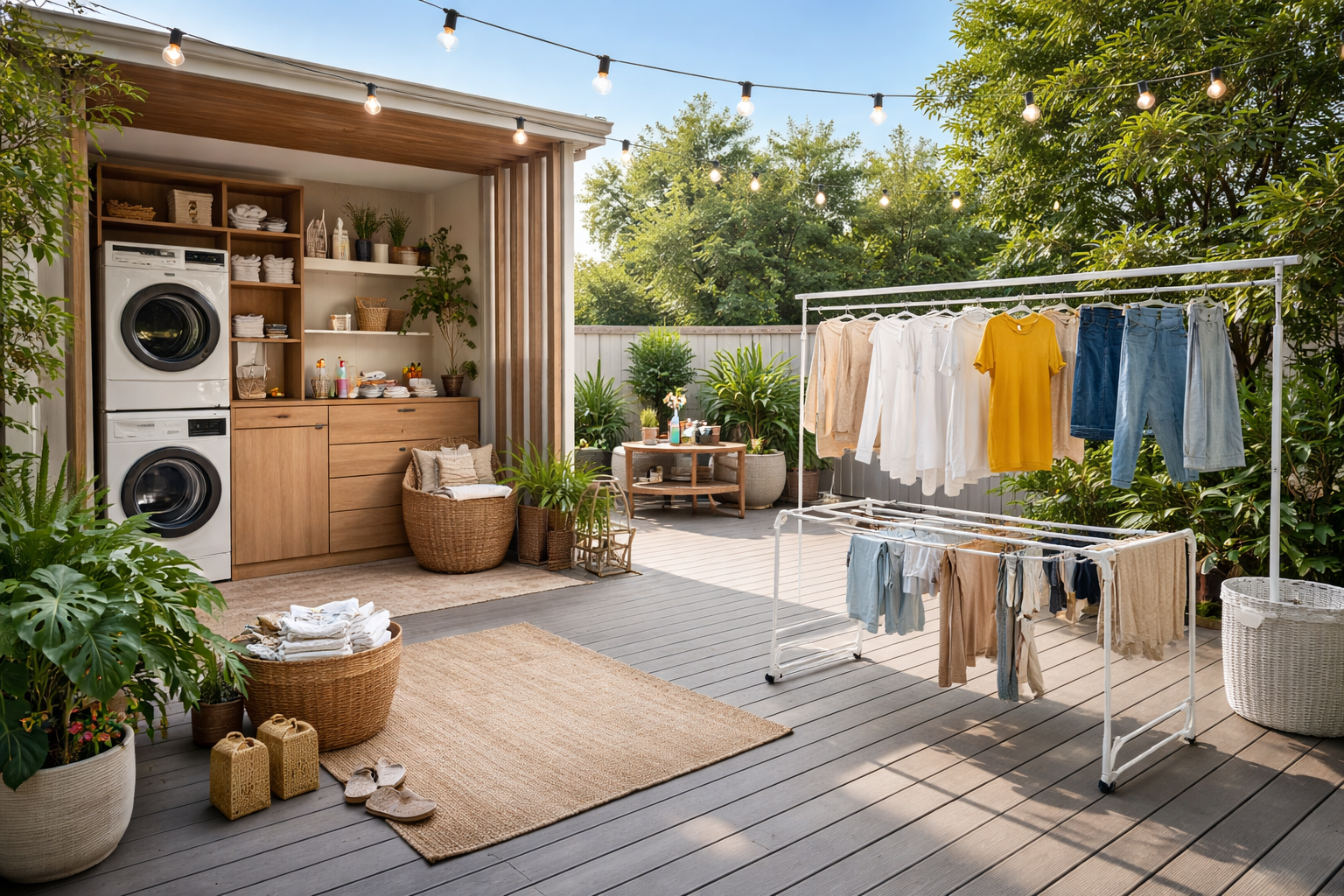
Folding racks give you portable, no-installation drying with varying capacities from small tabletop units to multi-tier floor stands. You can move them to a sunny window, balcony, or near a heater to speed drying.
Look for stainless steel or powder-coated frames for rust resistance and plastic joints for lightweight handling. Measure unfolded dimensions against your available floor space; narrow apartment racks often collapse to under 15 cm depth for storage.
Capacity matters: single-tier racks suit delicates and small loads, while 3–4 tier racks handle sheets and multiple garments. Check weight limits per bar and overall rated load to avoid sagging. If you need quick drying, choose models with wider bar spacing and those that allow airflow between items.
Wall-Mounted Solutions
Wall-mounted dryers save floor space and keep laundry organized along a wall or in a utility closet. Fixed bars or retractable arms mount to studs or masonry; choose anchors rated for the combined weight of wet clothes (often 20–40 kg).
Retractable systems fold flat when not in use, giving a neat look in tight corridors. Fixed folding arms give faster setup and often more robust weight capacity.
Consider material and finish: anodized aluminum resists corrosion in humid areas, while stainless steel offers higher strength. Installation requires basic tools; if you rent, choose removable mounts or adhesive-backed retractable rails that avoid permanent holes.
Ceiling-Hung Dryers
Ceiling-hung systems maximize floor and wall space by suspending drying rails above your room. Many models use pulley mechanisms so you lower rails to hang clothes and hoist them toward the ceiling to dry. This is useful in bathrooms, balconies, or laundry rooms with high ceilings.
Choose pulleys and cables rated for at least double your expected wet load to ensure safety. Aluminum or powder-coated steel rails resist moisture; wooden rails require better maintenance.
Mounting points must be secure—use joist mounts or masonry anchors. If you want heated drying, some ceiling systems integrate electric heating elements, but those need wiring by a qualified electrician.
Electric Drying Options
Electric indoor dryers range from low-power heated racks (100–300 W) to compact tumble-style condenser or vented dryers. Heated racks and heated bars speed drying without the high energy draw of a full dryer, making them suitable for small loads and delicates.
Look for features like automatic shutoff, overheat protection, and removable trays for condensation. Check claimed wattage and expected drying time; a 230 W heated rack dries light garments faster than ambient air but much slower than a tumble dryer.
Compact condenser or ventless tumble dryers handle larger loads (often 3–7 kg) and remove moisture into a reservoir. They require more space and higher upfront cost but dry reliably and quickly. Balance energy use, capacity, and installation constraints when choosing an electric option.
Choosing the Right Indoor Clothes Dryer
Decide where you will place the dryer, what materials and features you need, and how much laundry load you typically handle. These three factors determine the model, size, and durability that suit your routine.
Space and Placement Considerations
Measure the available floor space and door clearances before you buy. For apartments, a 60–90 cm (24–36 in) foldable rack usually fits a balcony or utility closet; freestanding tower dryers need at least 40 cm (16 in) depth plus clearance for air circulation.
Consider vertical vs. horizontal models. Vertical (tower) racks save floor space and work well in bathrooms or narrow hallways, while flat, extendable racks handle bulky items like blankets more easily. Check for fold-flat capability if you need to store the rack between uses.
Account for moisture and ventilation. Place the dryer near an open window or a vented exhaust fan to reduce humidity buildup. Use a water-resistant mat under metal racks to protect floors from drips.
Material and Durability
Choose rust-resistant materials for longevity. Stainless steel and powder-coated steel resist corrosion from wet clothes; plastic is lightweight but can warp under heavy loads or hot radiators.
Inspect joints, welds, and hinge mechanisms. Solid welded frames and reinforced hinges last longer than thin tubular frames joined with small screws. Look for rubber or plastic end caps that prevent scratching floors.
Check weight ratings and warranty. Manufacturers usually list load capacity; pick a rack rated above your typical load to avoid bending. Prefer models with at least a one-year warranty or easily replaceable parts.
Capacity and Usage Needs
Estimate your typical weekly laundry volume in garment pieces, not just loads. A two-person household that washes daily needs a rack with 10–15 meters (33–50 ft) of drying line or multiple tiers; a single person or occasional user can manage with 4–8 meters (13–26 ft).
Match rack design to garment types. Wide bars and hangers suit shirts and jeans; slotted shelves or mesh panels help dry delicates and shoes. If you air-dry bedding or towels often, prioritize wider spacing between bars to improve airflow.
Consider mobility and setup speed. Casters make it easy to move racks between rooms; foldable hinges that lock reduce setup time. If you plan indoor/outdoor use, choose a model rated for both environments to avoid premature wear.