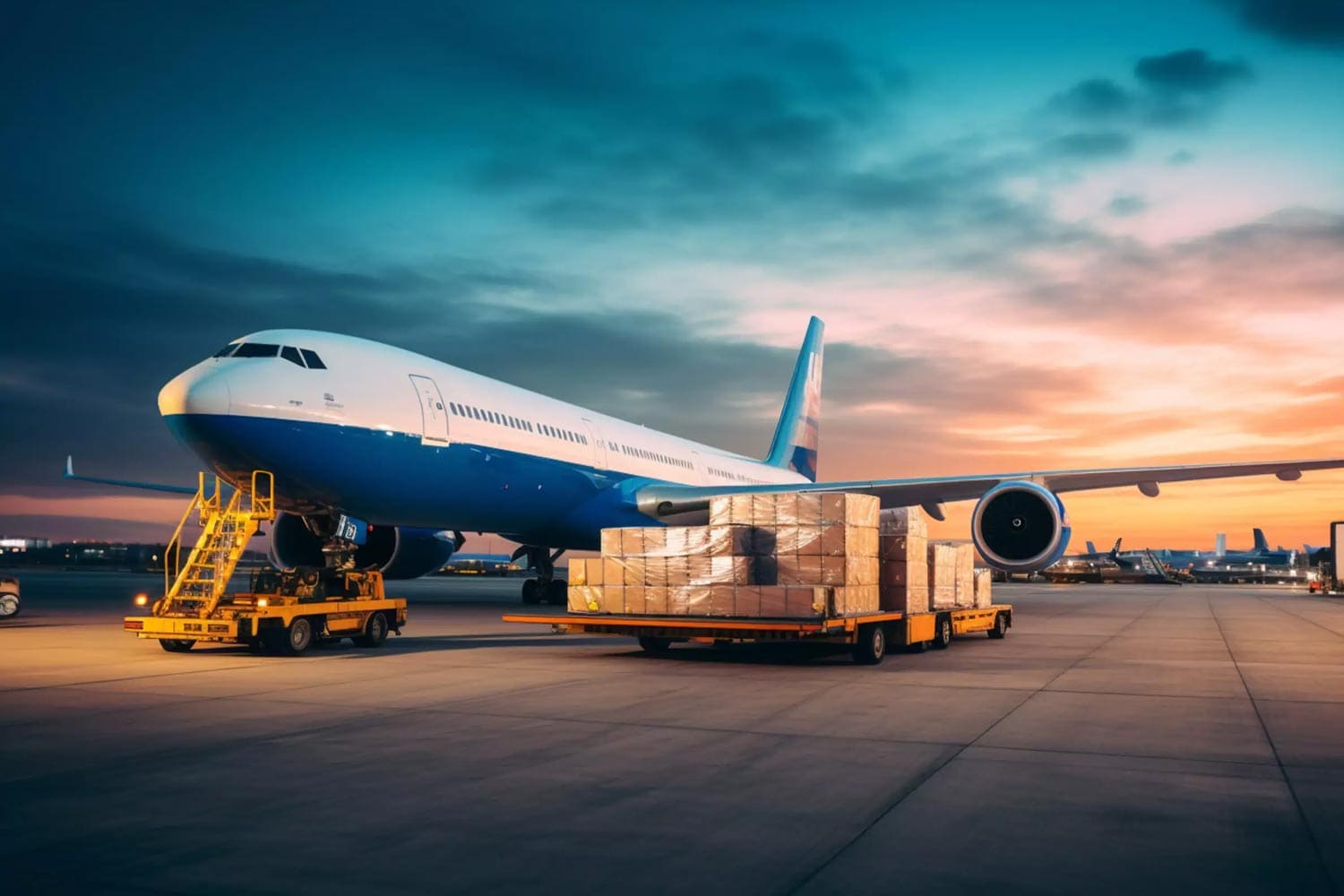
In a world driven by speed and precision, businesses cannot afford delays in their supply chains. Air freight has become a cornerstone of modern logistics, enabling companies to transport goods across countries and continents in record time. Whether it’s urgent industrial machinery, medical supplies, or high-value electronics, air cargo ensures that shipments reach their destination quickly and securely.
As globalization expands and customer expectations rise, air freight continues to play a strategic role in maintaining seamless international trade.
Understanding Air Freight Operations
Air freight involves transporting cargo through dedicated cargo aircraft or the cargo hold of passenger flights. It is typically chosen when:
-
Delivery deadlines are tight
-
Goods are perishable
-
Products are high in value
-
Replacement parts are urgently required
-
International shipping is required quickly
The efficiency of air freight lies in its structured scheduling, advanced airport infrastructure, and streamlined customs processes.
Key Benefits of Air Freight
Fast Transit Times
Air freight significantly reduces shipping time compared to sea or land transport. International deliveries that might take weeks by ship can often arrive within 24 to 72 hours by air.
Global Market Access
Major international airports connect businesses to nearly every global destination. This connectivity supports export and import operations worldwide.
Improved Inventory Management
Faster delivery means companies can maintain lower inventory levels, reducing warehousing and storage costs.
High Safety Standards
Airports follow strict security protocols, minimizing the risk of cargo damage or theft.
Industries That Rely on Air Cargo
Air freight supports a wide range of sectors:
-
Pharmaceutical Industry – For time-critical medicines and vaccines
-
Automotive Sector – For urgent spare parts and production components
-
Retail & Fashion – For seasonal collections and quick market launches
-
Electronics & Technology – For high-value and fragile goods
-
Agriculture & Food – For fresh produce and seafood exports
These industries depend on reliable logistics solutions to maintain business continuity and customer satisfaction.
Air Freight Documentation & Compliance
International air shipments require proper documentation, including:
-
Air Waybill (AWB)
-
Commercial Invoice
-
Packing List
-
Customs Declarations
-
Import/Export Permits (if applicable)
Working with experienced logistics providers simplifies compliance and ensures smooth customs clearance.
Companies operating in key logistics hubs often choose specialized providers such as Air Freight Services in Mumbai, which offer comprehensive cargo handling, customs coordination, and international routing support.
Cost Structure of Air Freight
Air freight pricing depends on:
-
Chargeable weight (actual vs volumetric weight)
-
Destination and distance
-
Nature of goods
-
Fuel and security surcharges
-
Service urgency (express or standard)
Although air freight costs are typically higher than sea freight, the speed and reliability can significantly reduce indirect business losses caused by delays.
The Future of Air Freight
The air cargo industry is rapidly evolving with technological and environmental advancements:
-
Digital cargo tracking systems
-
Automated cargo terminals
-
Temperature-controlled containers
-
Sustainable aviation fuel initiatives
-
AI-based route optimization
These innovations are improving efficiency, transparency, and environmental responsibility within the logistics sector.
Conclusion
Air freight remains one of the most reliable and efficient modes of global cargo transportation. Its speed, security, and worldwide connectivity make it an indispensable part of modern supply chains.
For businesses aiming to compete in international markets and meet strict delivery timelines, air cargo provides the flexibility and reliability needed to stay ahead in today’s fast-moving global economy.