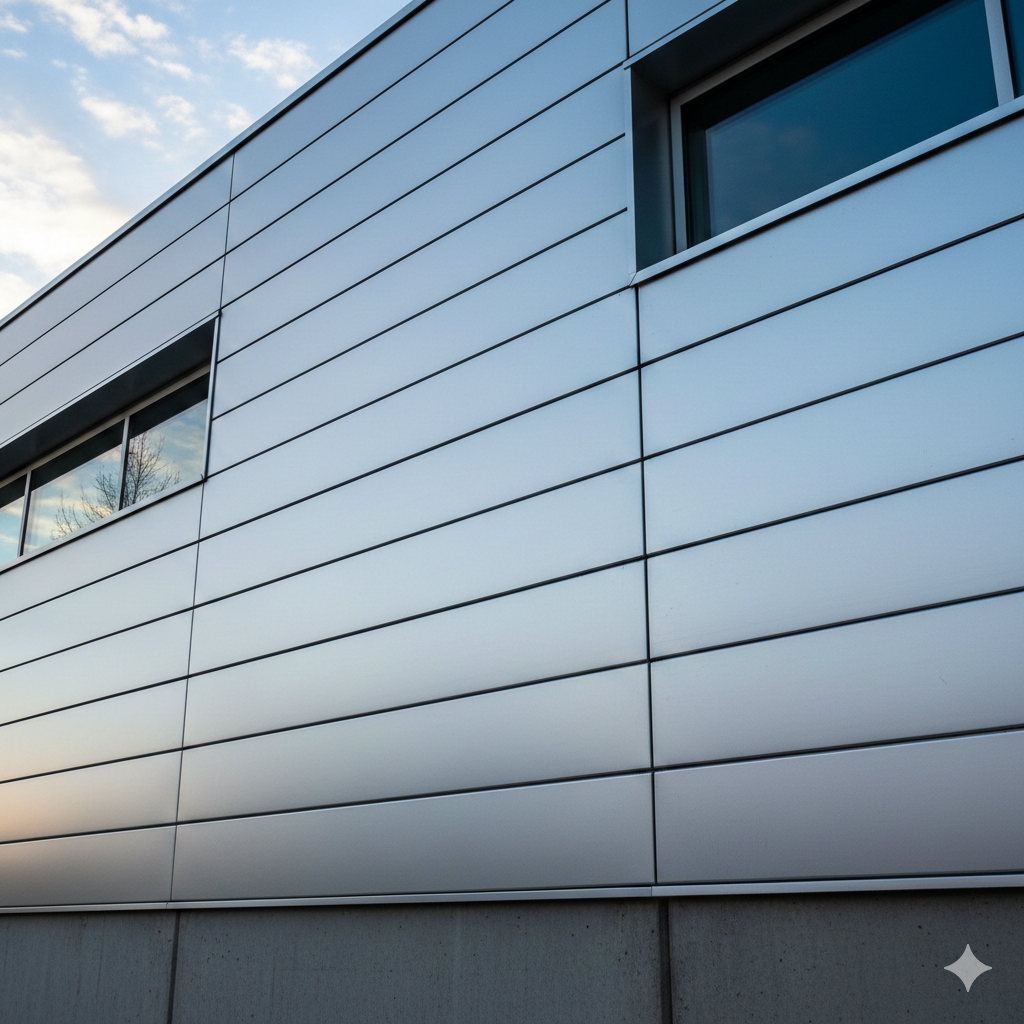
You can transform a project’s exterior or interior with a lightweight, durable cladding that balances aesthetics, performance, and cost. Aluminum composite wall panel delivers sleek finishes, strong weather resistance, and straightforward installation, making them a practical choice for many commercial and residential projects.
This article explains what these panels are, how they’re constructed, and why their fire-rated cores, varied finishes, and modular sizes matter for design and maintenance. You’ll also get practical guidance on common applications and installation considerations so you can judge whether ACM suits your next facade or interior project.
Aluminum Composite Wall Panel Fundamentals
These panels combine thin aluminum skins with a lightweight core to deliver rigidity, fire performance, and a clean exterior finish. You’ll find specific differences in composition, benefits, and paint/foil options that affect cost, performance, and installation.
Material Composition and Structure
Aluminum composite wall panels consist of two primary components: outer aluminum sheets and an internal core. The outer sheets are typically 0.3–0.5 mm thick; you’ll choose thicker or thinner skins depending on impact resistance and panel span.
The core material varies: polyethylene (PE) cores are lightweight and economical, mineral‑filled or fire‑retardant (FR) cores use mineral powders or modified polymers to meet fire codes, and non‑combustible cores (e.g., stone‑filled or metal honeycomb) provide the highest fire performance.
Panels are bonded by adhesives under heat and pressure to form a flat, stable sandwich. You should check the bond quality, peel strength, and thickness tolerance for projects with strict wind‑load or façade flatness requirements.
Key Features and Benefits
You gain rigidity and dimensional stability with a small weight penalty; typical ACPs weigh 3–8 kg/m² depending on core type and skin thickness. This lowers structural load compared with solid metal cladding and simplifies handling on site.
Thermal expansion and contraction are predictable; manufacturers provide expansion gap recommendations you must follow during installation.
Panels resist weathering, offer good surface flatness for crisp joints, and—when using FR or non‑combustible cores—can meet relevant building‑code fire classifications.
Maintenance is minimal: routine cleaning and periodic checks of joint sealants keep the façade performing. Consider acoustic performance and thermal insulation separately; ACPs provide limited insulation unless combined with insulation layers.
Available Finishes and Colors
You can select from factory coil‑coated PVDF or polyester paints, anodized finishes, and high‑gloss or matte laminates. PVDF coatings (typically 70% PVDF resin) provide superior color and chalk resistance; polyester is lower cost but less durable outdoors.
Metallics, woodgrain, and anodized looks come as prefinished options; you’ll also find fluoropolymer coatings for long‑term color retention on intense sun‑exposure façades.
Color systems follow standards (e.g., AAMA 2605 for premium PVDF) — verify specification compliance for warranty. You’ll also choose edge treatments (bent, routed, or capped) that affect the visible color wrap and joint detailing.
Applications and Installation of Aluminum Composite Wall Panels
Aluminum composite wall panels serve as exterior cladding, interior feature walls, and signage substrates. You’ll learn where they work best, how to install them securely, and what routine care preserves appearance and performance.
Common Uses in Architecture and Construction
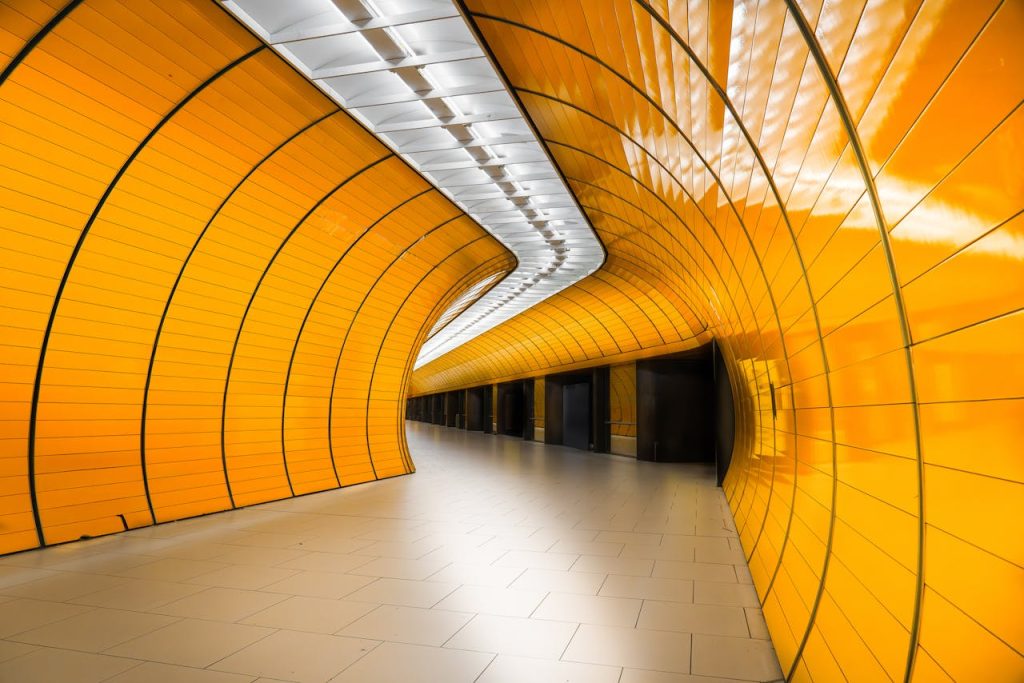
You’ll find these panels on high-rise façades, retail storefronts, and transit hubs where uniform appearance and weather resistance matter.
Their lightweight construction reduces structural load compared with stone or concrete, letting you use longer spans and simpler framing.
Use them for interior applications such as reception walls, column covers, and ceiling clouds where a flat, smooth finish is required.
They also work well for illuminated signage and wayfinding because of consistent flatness and paint/finish options.
Specify fire-rated cores (A2 or FR) for public buildings and choose PVDF or polyester coatings for long-term color retention.
Match panel thickness, joint type (concealed or visible), and substrate detailing to wind loads and local building codes.
Installation Methods and Best Practices
Prepare a rigid, plumb substrate—preferably metal studs or a ventilated rainscreen system—to prevent oil-canning and allow drainage.
Use extruded aluminum or stainless steel framing; fasteners should be non-corroding and sized to allow thermal movement.
Common fixing methods:
- Mechanical retention with z-clips or cleats for hidden joints.
- Face-fastening where aesthetics and access permit.
- Rainscreen with through-fasteners and continuous air gap (20–50 mm typical).
Cut panels with carbide blades or waterjet for clean edges. Seal vertical and horizontal joints with compatible silicone or EPDM gaskets.
Account for thermal expansion: leave 6–10 mm movement joints per linear meter depending on panel width and expected temperature range.
Follow manufacturer torque specs and install flashings, drip edges, and backer rods at transitions.
Test mock-ups for water intrusion and thermal movement before full installation.
Maintenance and Longevity
Inspect seals, fasteners, and panel alignment twice yearly and after severe storms.
Clean finishes with pH-neutral detergent and low-pressure washing to avoid coating damage.
Repair minor scratches using touch-up paint matched to the PVDF system; replace panels with delamination, severe dents, or compromised cores.
Monitor and replace degraded sealants and gaskets to maintain watertightness.
Expected service life depends on coating and environment: PVDF-coated panels commonly last 20–30 years in temperate climates.
Document maintenance actions and retain as-built drawings to streamline future replacements and warranty claims.