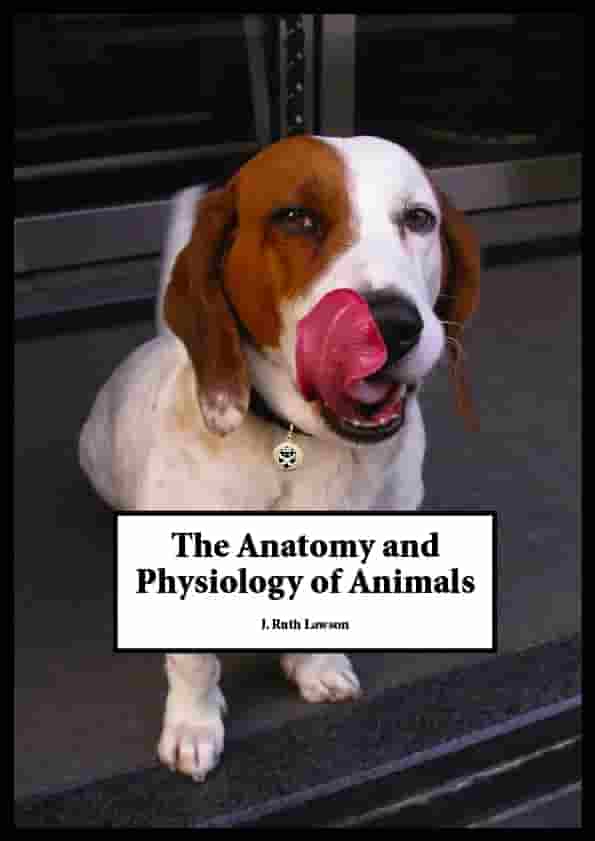
Author: Ruth Lawson, Otago Polytechnic
Understanding the anatomy and physiology of animals is more than memorizing organs and systems. It is about learning how structure supports function, how cells become tissues, and how entire systems work together to maintain life.
In this article, I’ll explore the depth and practical value of Anatomy and Physiology of Animals by Ruth Lawson of Otago Polytechnic. This text is widely appreciated in veterinary and animal science education because it explains complex biological principles in a clear, applied way.
Whether you’re a veterinary nursing student, animal science learner, or simply curious about how animals function, this guide will help you understand why mastering anatomy and physiology forms the foundation of animal healthcare.
What Is Anatomy and Physiology of Animals?
Anatomy refers to the structure of the body — bones, muscles, organs, and tissues.
Physiology focuses on how those structures function — how the heart pumps, how lungs exchange gases, and how nerves transmit signals.
When combined, these two disciplines help us answer questions like:
-
Why does a dog’s heart beat faster during exercise?
-
How do birds adapt their respiratory systems for flight?
-
What causes digestive disturbances in ruminants?
Ruth Lawson’s work emphasizes applied understanding. Instead of presenting isolated facts, it links biological systems to real-life veterinary and animal care scenarios.
Why Studying Animal Anatomy and Physiology Matters
1. Foundation for Veterinary Practice
Every veterinary procedure — from administering medication to diagnosing disease — depends on anatomical knowledge. Without understanding where organs are located or how systems interact, treatment becomes guesswork.
2. Early Disease Recognition
Physiology teaches what “normal” looks like. Once you understand normal heart rate, respiration, digestion, and cellular function, you can recognize abnormalities faster.
3. Animal Welfare and Management
Farmers, zookeepers, and animal caretakers rely on physiological knowledge to maintain proper nutrition, environmental conditions, and preventive care.
4. Strong Academic Base
Students in veterinary nursing, animal science, zoology, and biomedical fields rely heavily on structured textbooks like Anatomy and Physiology of Animals to build a reliable knowledge base.
Core Body Systems Explained
Ruth Lawson organizes animal anatomy and physiology into system-based learning, which makes complex biology manageable.
Skeletal System
The skeletal system provides structure, protection, and movement support.
Key components:
-
Bones
-
Joints
-
Cartilage
-
Ligaments
For example, the long bones in mammals not only support weight but also produce blood cells in bone marrow. Understanding skeletal structure helps explain fractures, lameness, and joint diseases.
Muscular System
Muscles enable movement, posture, and even heat production.
There are three main muscle types:
-
Skeletal muscle (voluntary movement)
-
Cardiac muscle (heart function)
-
Smooth muscle (internal organ movement)
In animals, muscle physiology explains why racehorses require different conditioning compared to companion pets.
Cardiovascular System
The heart and blood vessels deliver oxygen and nutrients throughout the body.
Physiological concepts include:
-
Blood circulation
-
Oxygen transport
-
Blood pressure regulation
A practical example: recognizing abnormal heart sounds during auscultation requires a clear understanding of cardiac anatomy.
Respiratory System
Animals have fascinating respiratory variations. Mammals rely on lungs, fish use gills, and birds have air sacs that enhance oxygen efficiency.
Physiology explains:
-
Gas exchange
-
Oxygen-carbon dioxide balance
-
Breathing regulation
These differences highlight how anatomy adapts to environmental needs.
Digestive System
The digestive system varies dramatically across species.
-
Ruminants (cows) have multi-chambered stomachs.
-
Carnivores have shorter digestive tracts.
-
Herbivores rely on microbial fermentation.
Understanding digestive physiology is essential for proper feeding practices and disease prevention.
Nervous System
The nervous system coordinates body functions through electrical and chemical signals.
Key components:
-
Brain
-
Spinal cord
-
Peripheral nerves
Knowledge of neural pathways helps explain reflexes, behavioral changes, and neurological disorders.
Reproductive System
Reproductive anatomy and physiology are crucial for breeding management and population health.
Hormonal regulation, estrous cycles, and gestation periods differ among species, and understanding these differences improves breeding outcomes and veterinary interventions.
How This Knowledge Applies in Real Life
Many students initially feel overwhelmed by the depth of animal anatomy and physiology. However, once they begin connecting theory with practice, learning becomes meaningful.
For instance:
-
Knowing kidney physiology helps understand dehydration risks.
-
Understanding thermoregulation explains why certain breeds overheat quickly.
-
Learning about immune responses clarifies vaccination protocols.
Digital educational platforms such as Netbookflix sometimes provide access to academic resources and reference materials that support structured learning in subjects like animal sciences.
Benefits of Learning from Ruth Lawson’s Approach
Ruth Lawson’s academic background at Otago Polytechnic ensures the material is grounded in teaching experience and veterinary application.
Her work stands out because:
-
It simplifies complex biological mechanisms.
-
It integrates diagrams and applied examples.
-
It supports step-by-step conceptual learning.
-
It aligns with veterinary nursing curriculum standards.
Instead of overwhelming students with dense terminology, the structure promotes understanding before memorization.
Practical Study Tips for Anatomy and Physiology of Animals
-
Study System by System – Avoid mixing topics prematurely.
-
Use Diagrams Actively – Label structures repeatedly.
-
Relate Structure to Function – Always ask: “Why does this structure exist?”
-
Apply Clinical Examples – Think about real-life animal scenarios.
-
Revise Regularly – Physiology builds layer upon layer.
Consistent review transforms information into long-term understanding.
10 Frequently Asked Questions (FAQs)
1. What is anatomy and physiology of animals?
It is the study of animal body structures (anatomy) and how those structures function (physiology).
2. Why is anatomy important in veterinary science?
Anatomy provides the structural knowledge necessary for diagnosis, surgery, and treatment planning.
3. How does physiology differ from anatomy?
Anatomy focuses on structure, while physiology explains biological functions and processes.
4. Is animal anatomy the same across all species?
No. While systems are similar, structural adaptations vary significantly between mammals, birds, reptiles, and fish.
5. Why is understanding the digestive system important?
Digestive physiology helps manage proper nutrition and prevent gastrointestinal disorders.
6. How does cardiovascular physiology impact animal health?
It ensures proper oxygen and nutrient distribution throughout the body.
7. What role does the nervous system play?
It coordinates communication between organs and controls behavior and reflexes.
8. How can students effectively study anatomy and physiology?
By combining diagrams, applied examples, and system-based revision strategies.
9. Is this subject only for veterinary students?
No. It benefits animal science students, farm managers, and animal care professionals.
10. What makes Ruth Lawson’s book useful?
Its clear explanations, applied examples, and structured teaching approach enhance understanding of animal anatomy and physiology.
Conclusion
The Anatomy and Physiology of Animals by Ruth Lawson offers a structured and practical pathway into one of the most essential subjects in animal science and veterinary education.
By understanding how anatomical structures support physiological function, learners develop the confidence to analyze, diagnose, and care for animals responsibly. This subject builds scientific reasoning, practical insight, and professional competence.
When studied thoughtfully, animal anatomy and physiology stop being overwhelming and start becoming fascinating revealing how remarkably complex and beautifully organized living systems truly are.
If you are pursuing animal sciences or veterinary nursing, mastering these fundamentals will shape every advanced topic you encounter in the future.