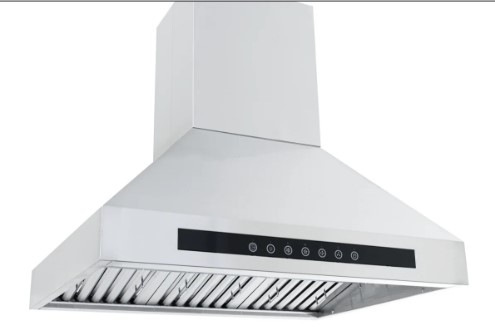
Open-concept kitchens have transformed the way homes are designed, placing cooking areas at the center of social and functional spaces. With cooktops frequently installed on islands, effective ventilation becomes essential for maintaining air quality and comfort. This is where kitchen island ventilation hoods play a significant role. Suspended from the ceiling and positioned over open cooking surfaces, they must deliver strong airflow while complementing the room’s overall aesthetic. Because they often require higher installation costs and structural planning, homeowners frequently question whether they justify the investment. Evaluating their performance, design impact, and durability helps determine their true long-term value.
Improving Air Quality In Open Spaces
In open-plan kitchens, cooking fumes and odors can easily spread into dining and living areas. Properly installed kitchen island ventilation hoods capture smoke, steam, grease particles, and airborne contaminants directly above the cooktop.
By removing pollutants at the source, they prevent odors from lingering throughout the home. This contributes to healthier indoor air and a more pleasant cooking environment, especially in households where cooking is frequent.
Delivering Balanced And Efficient Airflow
Unlike wall-mounted units that rely on surrounding surfaces to help direct airflow, kitchen island ventilation hoods must function effectively in open air. They are typically engineered with stronger motors and optimized fan systems to ensure proper suction.
High-quality models feature adjustable speed settings that allow homeowners to control ventilation intensity. This flexibility ensures efficient performance whether simmering a light dish or preparing high-heat meals.
Acting As A Design Focal Point
Kitchen islands often serve as visual centerpieces. Installing kitchen island ventilation hoods can enhance the architectural appeal of the space, especially when paired with coordinated lighting and cabinetry.
Available in sleek stainless steel, matte finishes, glass accents, or custom-built surrounds, these hoods can complement various interior styles. Their suspended presence naturally draws attention, elevating the kitchen’s overall aesthetic.
Supporting Temperature Control
Cooking generates significant heat, particularly in large kitchens. Efficient kitchen island ventilation hoods help extract warm air, reducing heat buildup during meal preparation.
This added temperature control improves comfort and may reduce strain on air conditioning systems. In warmer climates, effective ventilation contributes to energy efficiency and cost savings.
Minimizing Grease Accumulation
Grease particles released during cooking can settle on cabinets, countertops, and nearby furniture. Well-designed kitchen island ventilation hoods reduce grease dispersion by filtering airborne residue before it spreads.
This not only keeps surfaces cleaner but also protects finishes from long-term damage. Reduced buildup translates to less frequent deep cleaning and improved maintenance efficiency.
Increasing Property Value
Kitchen upgrades often influence resale value. Installing premium kitchen island ventilation hoods demonstrates attention to both function and style, which can appeal to potential buyers.
Modern buyers appreciate homes equipped with high-performance ventilation systems. A well-designed kitchen island hood adds sophistication and reinforces the perception of quality craftsmanship.
Considering Installation Requirements
Because they are mounted from the ceiling, kitchen island ventilation hoods require secure structural support and proper duct routing. Professional installation ensures stability and optimal airflow efficiency.
Planning must account for ceiling height, duct length, and electrical connections. While installation costs may be higher than wall-mounted alternatives, correct setup maximizes performance and longevity.
Evaluating Noise Levels
Noise is an important consideration for open kitchens. Advanced kitchen island ventilation hoods often incorporate sound-dampening technology to minimize operational noise.
Quieter systems allow for comfortable conversation while cooking, making them well-suited for social and family-oriented spaces.
Comparing Cost And Long-Term Value
Although initial expenses may be significant, the benefits of kitchen island ventilation hoods extend over many years. Improved air quality, energy efficiency, reduced maintenance, and aesthetic enhancement contribute to long-term value.
Durable construction and reliable motor systems further justify the investment. Choosing a reputable model ensures sustained performance and fewer repair concerns.
Conclusion
Deciding whether to invest in advanced ventilation depends on cooking habits, kitchen layout, and design priorities. For homeowners seeking a professional kitchen hood, island-mounted options provide a powerful combination of airflow performance and architectural impact. When properly installed and maintained, kitchen island ventilation hoods enhance air quality, reduce grease buildup, and elevate the overall design of open-concept kitchens. Their functional and aesthetic advantages make them a worthwhile consideration for modern homes focused on comfort and long-term value.