You can turn parts of your building into electricity generators without compromising design or function. Building integrated solar embeds photovoltaic technology into roofs, façades, and glazing so your structure produces power while serving as a weatherproof, light-transmitting, or load-bearing element.
Explore how integrated systems differ from rooftop arrays, where they work best, and the real benefits you can expect—improved energy efficiency, reduced transmission loss, and aesthetic flexibility that enhances property value. The next sections break down technical approaches, practical applications, and the trade-offs to help you decide whether integrated solar fits your project.
Overview of Building Integrated Solar
Building integrated solar embeds photovoltaic materials into the building envelope to generate electricity while serving structural or aesthetic roles. You’ll learn how these systems function, the main product types you’ll encounter, and how they compare to conventional rooftop arrays.
Definition and Key Features
Building integrated solar (BIS) means photovoltaic elements become part of building components—roofs, façades, windows, canopies—so they perform both as building material and power generator. You get electricity at the point of use, which reduces transmission losses and can lower energy bills.
Key features to note:
- Dual functionality: replaces or augments conventional cladding, glazing, or roofing.
- Aesthetics: available in colors, translucencies, and forms to match design intent.
- Thermal and daylight control: semi‑transparent and bifacial options influence daylighting and heat gain.
- Integration complexity: requires coordination with structural, fire, and waterproofing systems.
- Performance considerations: orientation, tilt, shading, and local climate strongly affect output.
Types of Building Integrated Solar Systems
You’ll encounter several product families, each suited to different applications and design priorities.
- BIPV roofing: slate-like or shingle modules that replace roof materials; useful for steep slopes and full‑roof energy strategies.
- Façade modules: flat or ventilated cladding systems that mount as curtain wall or rainscreen panels; suited for vertical power generation and shading.
- Semi‑transparent PV glazing: integrated into windows or skylights to provide daylight while generating power; balances visible light transmittance (VLT) and efficiency.
- Bifacial and thin‑film modules: bifacial modules capture reflected light from ground or interior surfaces; thin‑film conforms to curved surfaces or lightweight structures.
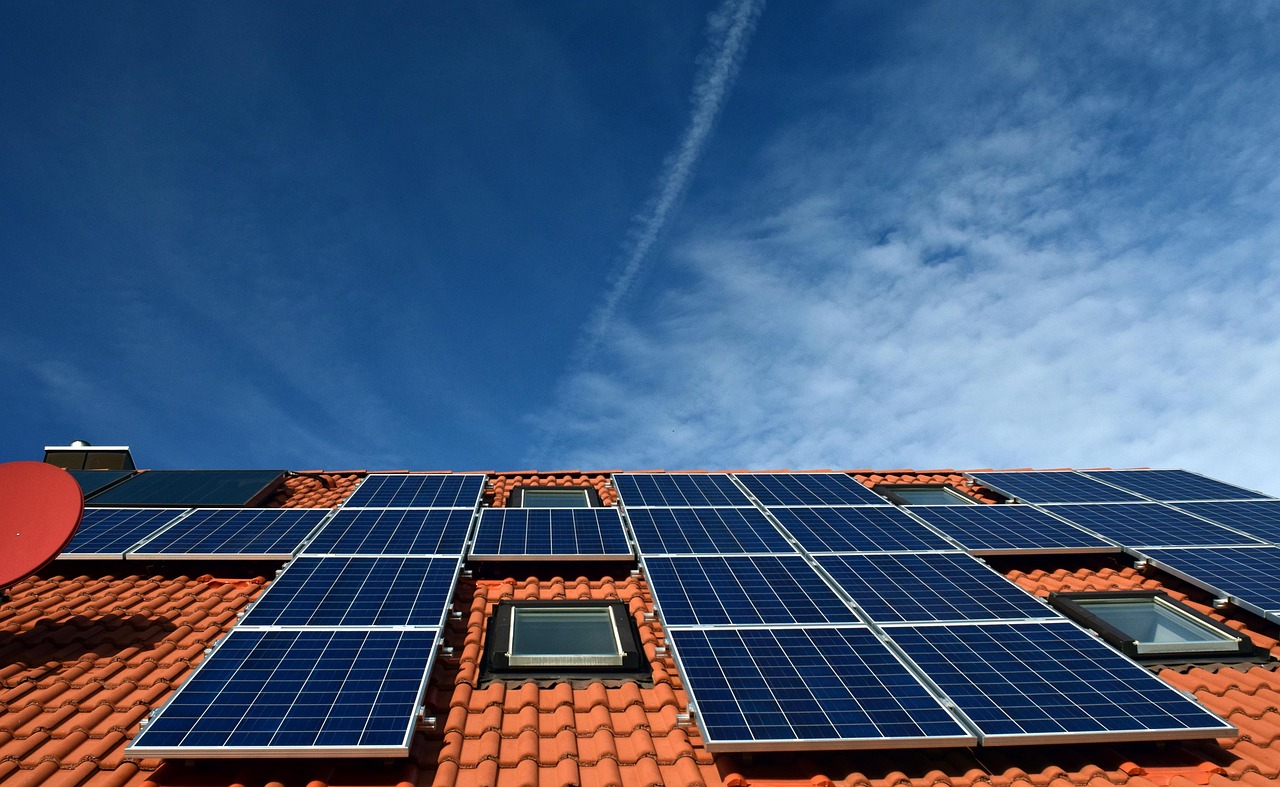
- Building‑applied PV (BAPV) distinction: retrofit panels mounted on existing surfaces rather than integrated into the envelope.
Choose based on your architectural goals, structural constraints, and desired energy yield.
Comparison with Traditional Solar Panels
You should weigh tradeoffs between integrated and conventional mounted arrays before deciding.
- Installation and design: BIS demands early design coordination and may increase architectural and structural complexity. BAPV (traditional rooftop) is simpler to install and easier to replace.
- Cost: BIS can have higher upfront costs per watt due to custom modules and integration labor, but it can offset material costs by replacing conventional cladding.
- Energy performance: Traditional panels often achieve higher efficiencies because they use optimized, non‑transparent modules and ideal tilt. BIS performance varies with vertical façades, glazing transparency, and building shading.
- Maintenance and replacement: Conventional arrays are modular and accessible for repair. Integrated systems may require partial envelope work to access or replace PV elements.
- Regulatory and permitting: BIS must meet building codes for fire, wind, and waterproofing in addition to electrical codes; this can extend permitting time compared with standard rooftop systems.
Applications and Benefits
Building-integrated solar turns structural elements into power generators while preserving usable space and design intent. You gain energy production, reduced external equipment, and opportunities for improved building performance.
Residential Building Integration
You can replace roof tiles, skylights, or curtain walls with integrated PV modules to generate on-site electricity without adding rack-mounted arrays. Integrated solar roof tiles and façades fit into new builds or major roof replacements; they produce 2–10 kW for typical single-family homes depending on roof area and orientation.
Integrated glazing and semi-transparent modules let you keep daylighting and views while offsetting lighting and HVAC loads. That reduces your monthly bills and can improve comfort by lowering peak cooling demand.
Installation often simplifies permitting and aesthetics, but you should budget for higher upfront material and integration costs than standard panels. Consider orientation, shading, local codes, and the expected lifetime (20–30 years) when comparing payback and energy yield.
Commercial and Industrial Uses
You can use large façade areas, atria glazing, and low-slope roofs on offices, warehouses, and factories to host BIPV systems sized from tens to hundreds of kilowatts. These systems offset building electricity demand directly, lower demand charges, and can support onsite EV charging or process loads.
BIPV replaces cladding, canopies, and sunshades, reducing separate materials and streamlining maintenance on large envelopes. For multi-tenant buildings, you can pair BIPV with metering strategies or virtual net metering so tenants and owners capture value.
Plan for structural integration, fire and thermal performance, and coordination with HVAC and daylighting strategies. Early design-stage collaboration with architects, engineers, and installers maximizes energy yield and minimizes retrofit surprises.
Architectural and Aesthetic Advantages
You keep design intent by selecting colored, textured, or semi-transparent PV materials that match façade systems, roof lines, or glazing patterns. This lets you meet client aesthetic goals while adding energy generation as a functional building element.
BIPV components serve dual roles: weatherproofing or solar shading plus electricity production. That reduces the need for separate shading devices, preserves clean sightlines, and can contribute to LEED or local green-building credits.
When specifying materials, verify colorfastness, thermal expansion, and module warranty to avoid mismatches with other cladding. You should also test mock-ups for daylight distribution and visual appearance under different light conditions.