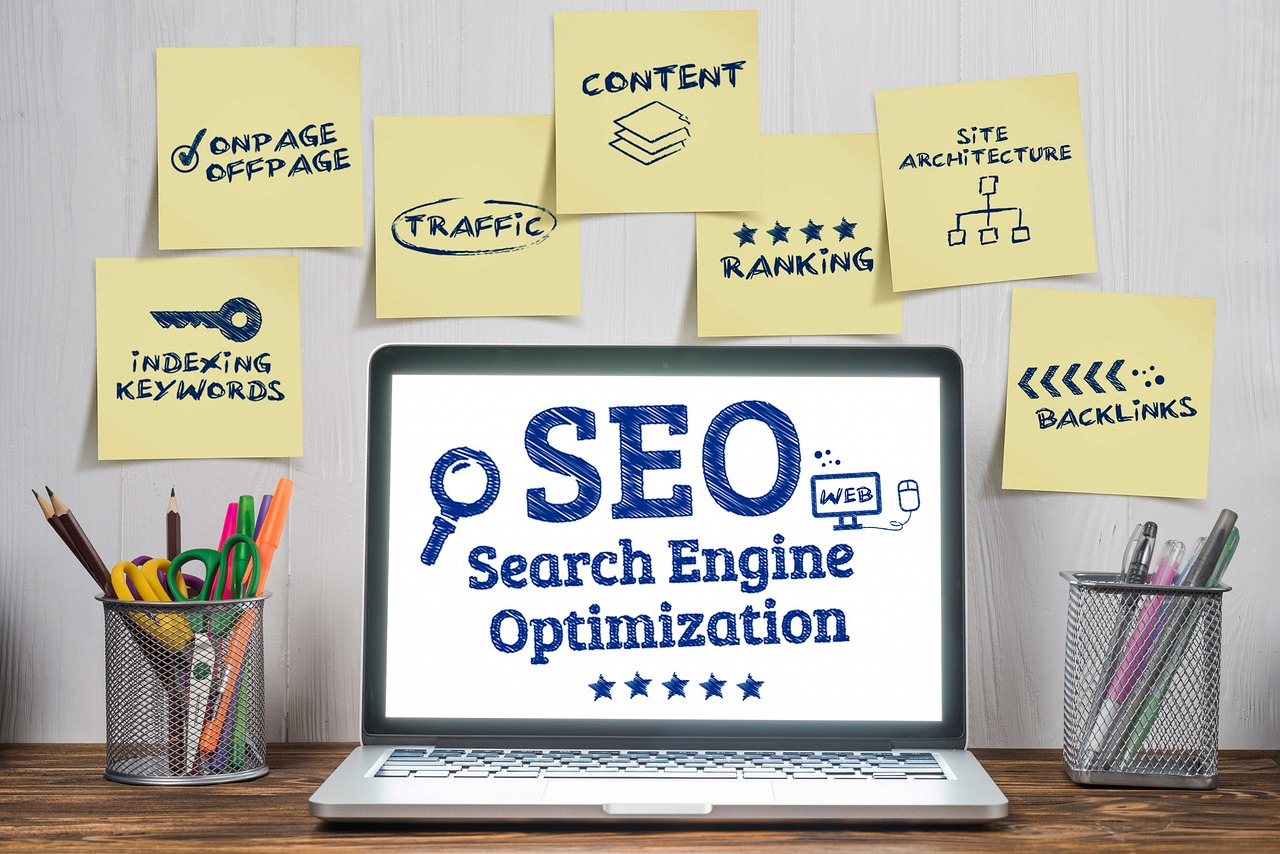
You want your digital marketing Red Deer business to get found, booked, and remembered online. Local SEO, targeted social ads, and a clear website offer will drive more qualified leads to your door within weeks when executed consistently.
This post walks through practical digital marketing strategies tailored to Red Deer’s market and shows how to evaluate agencies so you can choose a partner that delivers measurable results. Expect clear steps you can apply now to improve visibility, attract local customers, and turn clicks into bookings.
Digital Marketing Strategies for Red Deer
Target local customers, control your ad spend, and build consistent social presence to turn searches into calls and visits. Focus on measurable tactics: local keyword placement, conversion-focused Google Ads, and platform-specific social content that drives bookings, leads, or store visits.
Local SEO Optimization
Claim and optimize your Google Business Profile with accurate hours, services, and high-quality photos to appear in Red Deer map results. Use local keywords like “Red Deer plumber” or “Red Deer hair salon” in page titles, meta descriptions, and H2s; keep NAP (name, address, phone) consistent across citations and directories.
Publish service pages that target specific neighbourhoods (e.g., Downtown Red Deer, Broadmoor) and include localized schema markup to help search engines display address, hours, and service radius. Encourage and respond to reviews within 48–72 hours; prioritize resolving negative feedback and highlighting positive reviews in site testimonials.
Track local rankings, clicks, and phone call conversions with Google Search Console, Google Analytics, and call-tracking numbers. Run monthly audits to remove duplicate listings, fix broken links, and update seasonal offers or event pages that drive local search spikes.
Google Ads Campaigns
Structure campaigns by intent: separate Search campaigns for transactional keywords (e.g., “emergency HVAC Red Deer”) from Brand and Remarketing campaigns. Use location targeting set to Red Deer and a 10–25 km radius if you serve surrounding towns; exclude irrelevant regions to reduce wasted spend.
Write ad copy that includes clear calls to action and local signals (neighbourhood names, same-day service). Use ad extensions: call, location, sitelink, and promotion to increase real estate and direct actions. Apply bid adjustments for top-performing times, devices, and audiences to maximize return on ad spend.
Measure performance by conversions (calls, form fills, bookings) rather than clicks. Implement conversion tracking, import phone-call conversions into Google Ads, and run A/B tests on headlines and landing pages. Pause low-performing keywords and allocate budget to high-converting segments weekly.
Social Media Management
Choose platforms where digital marketing customers engage—Facebook for community events and local ads; Instagram for visual services and promotions; LinkedIn for B2B and professional services. Maintain a consistent posting schedule: 3–5 weekly organic posts and targeted boosted posts for offers or events.
Create content categories: promotions, behind-the-scenes, customer testimonials, and local partnerships. Use geo-tagging and local hashtags (e.g., #RedDeerAB, #CentralAlberta) to increase discoverability. For service businesses, include clear CTAs in posts like “Book online” or “Call for same-day service” and link to optimized landing pages.
Monitor engagement and customer messages daily. Use social analytics to track reach, clicks, and message-driven leads, and adjust content mix based on what drives appointments or store visits. Consider small-budget paid campaigns with lead forms to capture bookings directly from social.
Choosing a Digital Marketing Agency in Red Deer
Focus on measurable outcomes, local experience, and the exact services you need. Prioritize agencies that demonstrate results for businesses similar to yours and that offer clear reporting and communication plans.
Evaluating Agency Expertise
Check case studies and client lists for local Alberta or Red Deer businesses in your industry. Look for concrete KPIs — organic traffic growth, conversion rate improvements, or PPC return on ad spend — rather than vague success claims.
Ask about team structure: who handles strategy, content, paid ads, and analytics? Confirm whether specialists (SEO, PPC, web dev) work in-house or are outsourced, and how often you’ll meet the account lead. Request sample reports so you can compare metrics, frequency, and transparency.
Verify certifications and tools: Google Ads and Analytics certifications, experience with platforms like Ahrefs or SEMrush, and familiarity with local listing management (Google Business Profile). Finally, check client retention and references to gauge reliability.
Understanding Service Packages
Demand clarity on what each package includes and what counts as an add-on. Packages should list deliverables (monthly blog posts, hours of social management, number of ad campaigns), timelines, and revision limits so you avoid scope creep.
Compare pricing models: flat monthly retainer, project-based, or performance-based fees. Performance-based options can align incentives, but ensure baseline work (technical SEO, site fixes) isn’t neglected. Ask how they handle setup costs for ads, creative production, or website changes.
Confirm reporting cadence and channels. A recommended setup: monthly performance reports, quarterly strategy reviews, and a dedicated Slack or email contact for day-to-day questions.