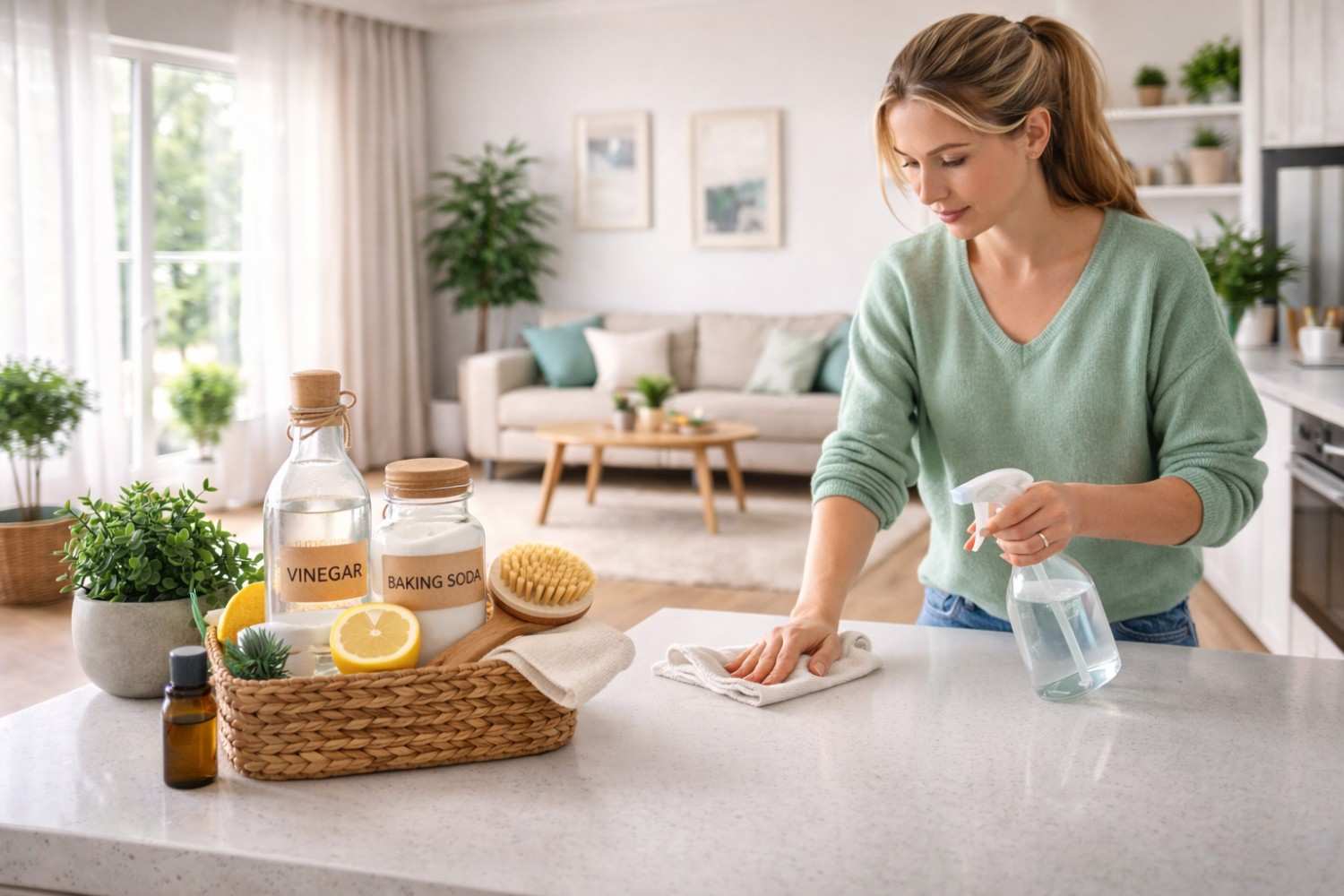
Keeping your home clean is essential for health, comfort, and overall well-being. But traditional cleaning products often contain harsh chemicals that can harm the environment, damage surfaces, and even affect your family’s health. In 2026, eco-friendly home cleaning is becoming a top priority for households worldwide. By adopting natural cleaning methods, you can maintain a sparkling home while reducing your ecological footprint.
This guide will explore practical eco-friendly cleaning tips, safe alternatives to chemical cleaners, and daily habits that promote a healthy, sustainable home environment.
Why Choose Eco-Friendly Cleaning
Eco-friendly cleaning offers multiple benefits:
-
Healthier indoor environment: Reduces exposure to toxic chemicals that can cause respiratory irritation, allergies, and skin problems.
-
Environmental protection: Prevents harmful chemicals from entering waterways and harming wildlife.
-
Cost-effective: Many natural cleaning ingredients like vinegar, baking soda, and lemon are inexpensive and readily available.
-
Safe for children and pets: Reduces risk of poisoning or allergic reactions.
Switching to eco-friendly cleaning does not mean compromising cleanliness. With the right tools and techniques, your home can be spotless, fresh, and safe.
Essential Eco-Friendly Cleaning Supplies
Here are some key natural ingredients for eco-friendly cleaning:
-
White Vinegar – A natural disinfectant and degreaser, perfect for kitchen counters, windows, and bathrooms.
-
Baking Soda – Excellent for scrubbing, deodorizing carpets, and removing stains.
-
Lemon Juice – Cuts grease, whitens surfaces, and leaves a fresh scent.
-
Castile Soap – A plant-based soap suitable for floors, dishes, and general cleaning.
-
Essential Oils – Add natural fragrance and antimicrobial properties (e.g., tea tree, lavender, eucalyptus).
Reusable tools like microfiber cloths, mop pads, and brushes reduce waste and work effectively with these natural cleaners.
Smart Eco-Friendly Cleaning Tips
1. Clean Room by Room
Focus on one room at a time. This ensures thorough cleaning and avoids spreading dirt from one area to another. For example, start with high-traffic areas like the kitchen and living room, then move to bedrooms and bathrooms.
2. Use Multi-Purpose Cleaners
Combine vinegar, water, and a few drops of essential oil in a spray bottle for an all-purpose cleaner suitable for most surfaces. This reduces the need for multiple chemical-based products.
3. Focus on High-Touch Surfaces
Door handles, light switches, countertops, and remote controls accumulate germs quickly. Regularly wipe them down with natural disinfectants to maintain hygiene.
4. Make Your Own Carpet Freshener
Sprinkle baking soda on carpets and rugs, let it sit for 15–20 minutes, then vacuum. Add a few drops of essential oil for a fresh scent. This method deodorizes and reduces dust without harmful chemicals.
5. Opt for Steam Cleaning
Steam cleaners are chemical-free and effective for deep cleaning floors, tiles, and even upholstery. The high heat kills bacteria, mold, and dust mites naturally.
6. Eco-Friendly Laundry
Use plant-based detergents and wash clothes in cold water when possible. Air-dry clothes to save energy and reduce carbon footprint.
7. Maintain a Cleaning Schedule
Consistency is key to a healthy home. Daily tasks like wiping surfaces and tidying clutter, combined with weekly eco-friendly deep cleaning, prevent the buildup of dirt and bacteria.
8. Reduce Single-Use Products
Avoid disposable wipes, paper towels, and cleaning sprays in single-use bottles. Instead, use microfiber cloths, reusable mop pads, and refillable spray bottles.
9. Use Natural Air Fresheners
Instead of chemical air fresheners, use potpourri, essential oil diffusers, or simmer herbs and citrus on the stove to naturally scent your home.
10. Educate Your Household
Involve family members in eco-friendly cleaning. Teaching children about natural cleaning methods and the importance of reducing waste helps build sustainable habits for the future.
Benefits of Eco-Friendly Cleaning
Adopting eco-friendly cleaning routines creates:
-
A safer living environment free from harsh chemicals
-
Cleaner indoor air, reducing allergens and respiratory issues
-
Sustainable household practices that save money and resources
-
A calm and fresh home with natural scents from essential oils and citrus
Even small changes, like switching to reusable cloths or homemade cleaners, can make a big difference over time.
Common Myths About Eco-Friendly Cleaning
Myth 1: Natural cleaners are not effective.
Truth: Vinegar, baking soda, and steam cleaning are highly effective for most household cleaning tasks.
Myth 2: Eco-friendly cleaning is expensive.
Truth: Many natural ingredients are inexpensive, and reusable tools save money in the long run.
Myth 3: It takes more time.
Truth: Smart routines and multi-purpose natural cleaners often save time compared to using multiple chemical products.
Conclusion
Eco-friendly home cleaning is not only better for the environment but also safer for your family and pets. By adopting natural cleaning solutions, maintaining a schedule, and using reusable tools, you can create a spotless, fresh, and healthy living space.
Incorporating these practices into your daily routine ensures your home remains clean while reducing exposure to harmful chemicals and minimizing waste. Sustainable cleaning is the future—easy, safe, and effective.
FAQs
1. What are the best natural cleaning products?
White vinegar, baking soda, lemon juice, castile soap, and essential oils.
2. Can eco-friendly cleaners remove tough stains?
Yes, many natural solutions are effective for everyday stains, grease, and odors.
3. How often should I deep clean with eco-friendly methods?
Weekly for general maintenance; monthly for carpets, tiles, and high-traffic areas.
4. Are eco-friendly cleaners safe for children and pets?
Yes, they reduce exposure to harmful chemicals and are non-toxic when used properly.
5. Can I replace all chemical cleaners with natural alternatives?
Most household cleaning tasks can be done with natural products, though some specialized tasks may still require professional solutions.
6. How can I keep my home smelling fresh naturally?
Use essential oils, simmer citrus and herbs, or set out potpourri for a natural, pleasant scent.
7. Do eco-friendly cleaning methods save money?
Yes, reusable tools and inexpensive natural ingredients reduce long-term cleaning costs.