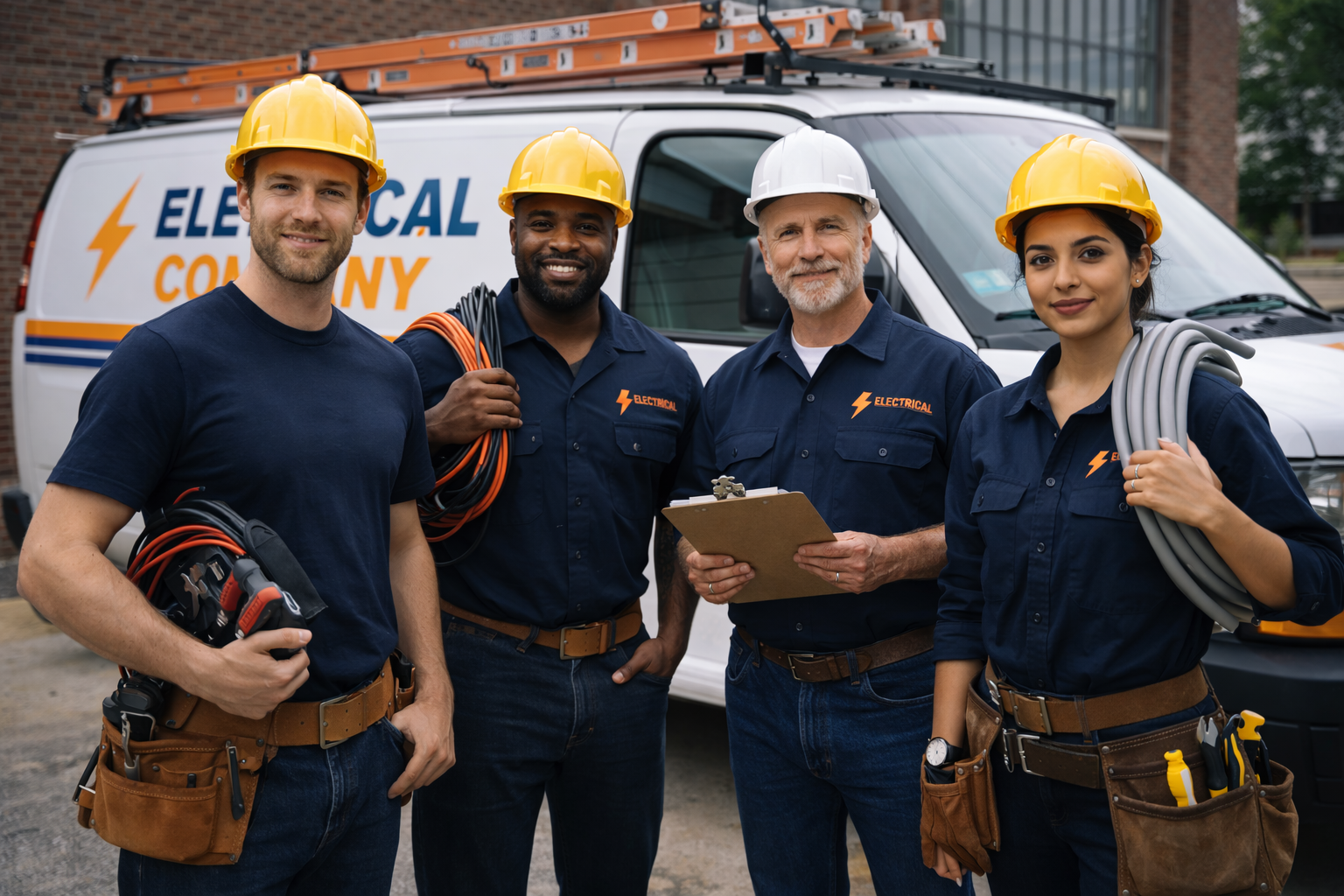
When your power fails, an urgent electrical fault appears, or you spot sparking or burning smells, you need a qualified emergency electrician near me who can respond fast and work safely. You can find 24/7 local emergency electricians who handle outages, faulty wiring, and hazardous issues quickly and professionally, often with same‑day or immediate response.
This article shows how to locate nearby emergency electricians, what services they typically cover, and practical tips for choosing the best one so you can protect your home and family. You will learn what to look for in credentials, response time, and transparent pricing so you make a confident choice when every minute counts.
Emergency Electrician Services Near Me
You can expect fast on-site response, safe repairs, and clear pricing when you call a local emergency electrician. Services typically cover power outages, sparking outlets, breaker tripping, and urgent wiring or panel faults.
Immediate Response Electricians
When you report an emergency electrician, a local electrician should give an initial ETA and arrive prepared with basic diagnostic tools and common replacement parts. Response times often range from 30 minutes to a few hours depending on traffic and call volume, so confirm their expected arrival when you call.
Technicians prioritize safety: they will cut power where necessary, isolate damaged circuits, and make temporary repairs to eliminate shock and fire risk. Ask whether they perform on-the-spot testing (multimeter, insulation resistance) and if they can provide a written estimate before doing non-urgent work.
Confirm that the electrician offers 24/7 availability and emergency dispatch. Also verify licensing, insurance, and whether they honor local electrical codes; this protects you and ensures any repair meets inspection standards.
Types of Electrical Emergencies
Common urgent problems include complete power loss, repeated breaker trips, visible arcing or sparking, burning smells near outlets or panels, and exposed live wiring. Each of these presents a real safety hazard that needs immediate attention.
Other urgent scenarios: water contacting electrical equipment, smoke from outlets or appliances, and generator failures during outages. Report symptoms precisely—location, smell, noises, and whether pets or people are affected—to help technicians prepare.
Some issues require temporary fixes first, like securing a loose connection, then scheduling a full repair or panel upgrade. Ask if the electrician can issue a safety tag or temporary certificate when leaving a site.
Local Service Coverage Areas
Search for electricians who explicitly list your city or neighborhood to ensure timely dispatch. Many companies serving Los Angeles and Southern California, for example, advertise 24/7 emergency coverage across multiple ZIP codes and adjacent suburbs.
Check whether they offer both residential and commercial emergency service, and whether they handle multi-unit buildings or only single-family homes. Confirm any additional travel or after-hours fees before work begins.
Use local reviews and verified customer ratings to gauge reliability in your immediate area. Keep the electrician’s direct number saved so you can call the same provider quickly if an emergency recurs.
Choosing the Best Emergency Electrician
Check for valid credentials, clear pricing, and reliable customer feedback to minimize risk and downtime. Prioritize electricians who display licensing, provide written estimates, and have recent positive reviews from local customers.
Certifications and Licensing
You should confirm the electrician holds a current state or local license for electrical work in your area. Licensing shows they passed required exams and meet safety standards; ask for license number and verify it on your state or city licensing board website.
Also check for trade certifications such as Master Electrician or certified emergency responder credentials. These indicate advanced training and experience with complex or hazardous situations like electrical fires, damaged service entries, or generator tie-ins.
Require proof of insurance—general liability and workers’ compensation—before any work starts. Insurance protects you if a technician is injured or causes accidental damage during an emergency repair.
Cost and Transparent Pricing
Ask for a clear breakdown of charges before work begins: call-out fee, hourly labor, parts, permits, and any emergency or after-hours surcharges. Get estimates in writing or via email so you can compare and avoid surprises after the job.
Beware of unusually low flat rates that omit scope details; they often lead to add-on fees. Conversely, a reasonable emergency rate reflects rapid dispatch, qualified technicians, and proper materials.
If the job requires replacement parts or permits, request receipts and keep a record of line-item costs. For recurring needs, ask whether the company offers service agreements or priority response plans that can lower long-term emergency costs.
Customer Reviews and Trustworthiness
Check recent reviews on multiple platforms—Yelp, Google, and local community sites—to confirm consistency in response time, workmanship, and communication. Focus on comments about emergency response speed, safety practices, and whether the electrician honored estimates.
Ask for references from nearby jobs or businesses, especially for services like panel repairs or backup generator work. Contacting a past client can reveal how the electrician handles follow-up issues and warranty claims.
Look for red flags: repeated complaints about missed appointments, undocumented price increases, or unsafe practices. Choose an electrician who communicates clearly, provides documentation, and stands behind their emergency repairs.