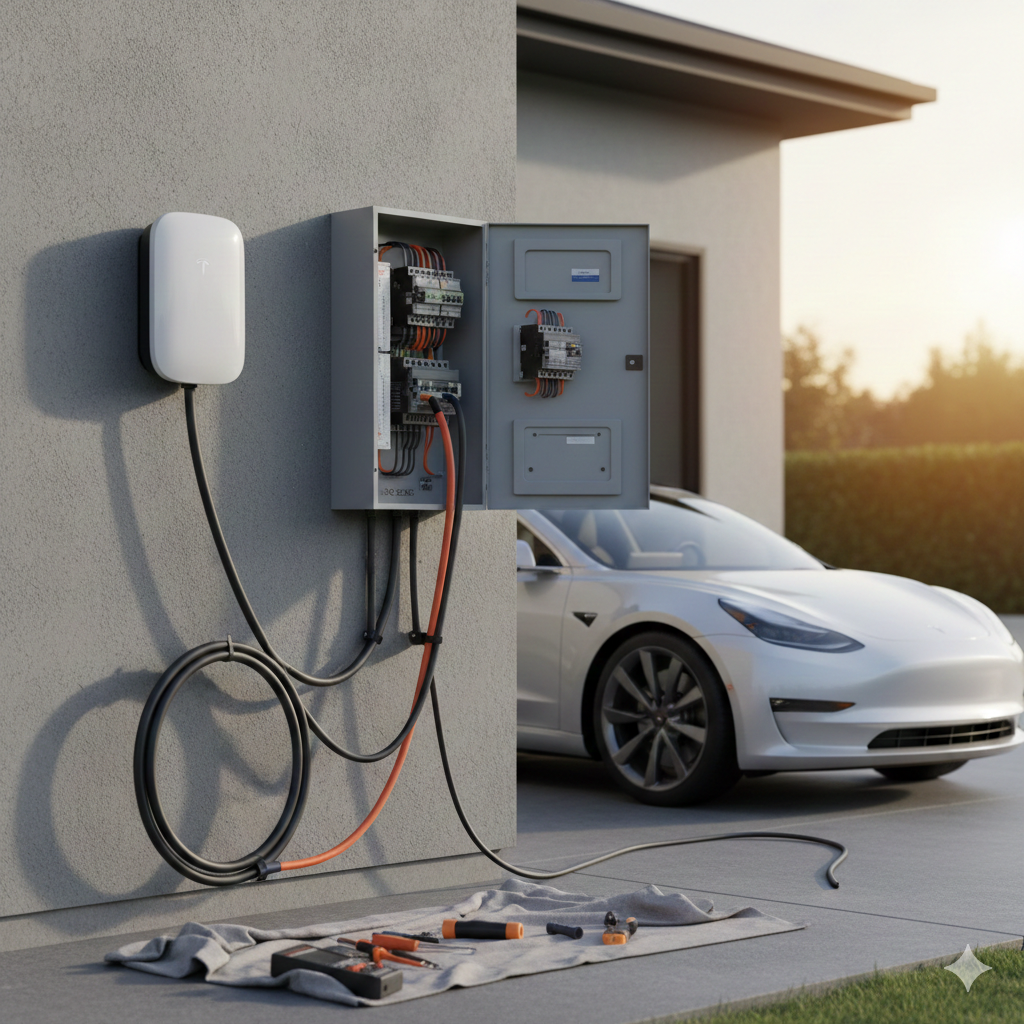
Finding a qualified EV charging installer near me starts with knowing what to look for: licensed electricians with EV experience, clear pricing, and local reviews. You can quickly locate trustworthy installers by checking local electrician listings, EV installer directories, and customer feedback to compare qualifications, services, and quotes.
You’ll learn how to vet installers, what questions to ask, and how the installation process typically unfolds so you can pick the right option with confidence. Expect practical tips on permits, site assessments, and typical timelines so you avoid surprises and get your home charger working reliably.
How to Find the Best EV Charging Installer Near Me
You need a qualified Ev Charging Installer who matches your property’s electrical capacity, the charger type you want, and local permitting requirements. Prioritize licensed electricians with EV-specific experience, transparent pricing, and clear warranty and permitting support.
Key Factors to Consider When Choosing an EV Charging Installer
Check license and insurance first. Confirm the electrician holds a valid state license for residential or commercial electrical work and carries liability insurance and workers’ compensation.
Match charger type to installer skills. If you want a Level 2 or smart charger, verify the installer has experience with that brand and with any required network integration or load-management features. Ask for photos of past installs similar to your setup.
Compare written quotes and scope. Get at least three itemized estimates that list labor, materials, panel upgrades, permitting fees, and expected timeline. Watch for vague language—your contract should state permit pull, inspection coordination, and post-install testing.
Look at local reviews and references. Focus on recent projects in your neighborhood and ask for references you can call. Prioritize pros who respond promptly and explain technical details in plain language.
Benefits of Working with Local EV Charging Professionals
Local installers know municipal permit processes and typical inspection timelines for your area. That reduces delays and surprise fees from unfamiliar local codes.
You gain faster service for site visits, emergency fixes, and follow-up support. A local pro can return quickly if the charger needs adjustments after inspection or first use.
Local firms often have established relationships with nearby utilities. They can coordinate load assessments, request service upgrades, or help you apply for utility rebates and incentives tied to your ZIP code.
Choosing a local installer supports quicker warranty service. Local availability matters if a replacement part or on-site troubleshooting becomes necessary within the warranty period.
Certifications and Experience to Look For
Look for manufacturer certifications (e.g., Tesla, ChargePoint, Enel X) that show the installer is trained on that charger model. Certification reduces installation errors and may preserve device warranties.
Verify EV-specific training and continuing education. Ask whether the electrician has completed EV charger courses, NETA or NFPA 70 (NEC) updates, or utility-sponsored training in EV infrastructure.
Request proof of similar projects. Ask for project photos, a description of panel upgrades they performed, and contacts for recent clients. Confirm they’ve handled your property type—single-family, multi-unit dwelling, or commercial fleet.
Check safety and code compliance records. Ensure the installer follows NEC guidelines, files permits, and performs final inspection testing. Keep copies of permits, inspection reports, and a written warranty for materials and labor.
What to Expect During the EV Charger Installation Process
You will learn which charger fits your vehicle and home, how long the install typically takes, and the key electrical and safety steps installers perform. Expect a site assessment, permit checks, wiring work, and final testing.
Types of EV Chargers and Compatibility
Level 1 chargers (120V) use a standard household outlet and provide about 3–5 miles of range per hour. They rarely require electrical upgrades, so they work if you drive short distances and need minimal daily charging.
Level 2 chargers (240V) are the most common home choice, delivering roughly 20–40 miles of range per hour. They require a dedicated circuit and typically 30–60 amps at the panel. Confirm your EV’s onboard charger rating (kW) and your panel’s free capacity before purchase.
DC fast chargers (480V+) are commercial-grade and not suitable for typical residential installs. Check connector types (e.g., SAE J1772, CCS) to ensure physical compatibility. For Tesla owners, decide between a Tesla Wall Connector or an adapter for a J1772 charger.
Typical Installation Timeline
A residential Level 2 install usually takes 3–8 hours on-site for a single-unit job, excluding permit approval and scheduling. Expect the electrician to start with a site visit, mark conduit and meter locations, and confirm panel capacity.
Permit review can add 1–14 business days depending on local jurisdiction. If a service upgrade or new circuit is required, add 1–3 days for additional labor and possible utility coordination. After wiring, the installer will commission the charger and run a short test charge.
Plan for a total timeframe of 1–3 weeks from quote to working charger in most areas. Keep communication open with your installer about any potential delays from permit or utility work.
Electrical and Safety Considerations
Your installer will assess panel capacity, existing load, and the need for a dedicated 240V circuit. They will calculate load using your panel rating, continuous load rules (125% for continuous EV charging), and any planned household upgrades.
Permits and inspections ensure compliance with the National Electrical Code (NEC) and local amendments. Expect requirements for GFCI/ AFCI protection, proper conduit, wire gauge matching ampacity, and accessible disconnects.
Installers should test grounding, verify voltage under load, and confirm the charger’s firmware and Wi‑Fi setup if applicable. Ask for documentation: permit copies, wiring diagrams, breaker labeling, and a commissioning test record before paying the final balance.