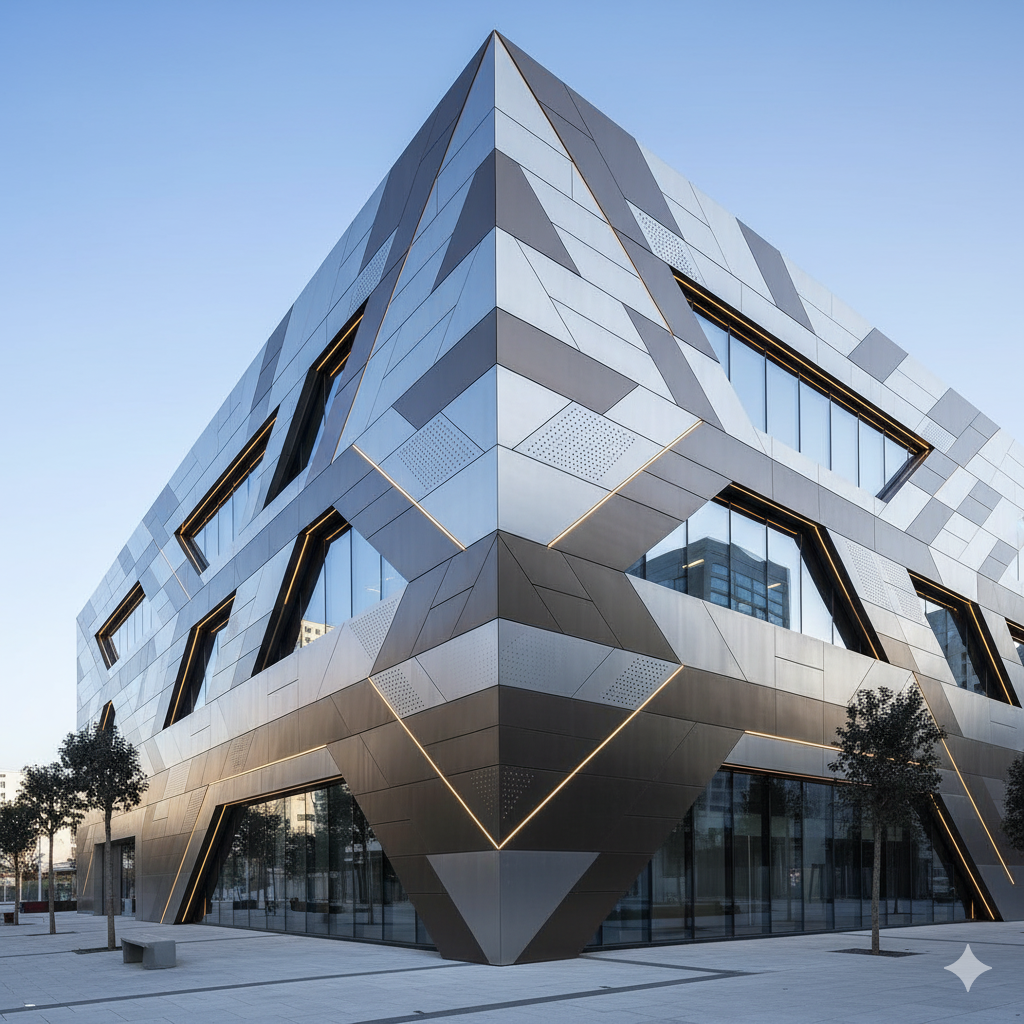
You want an exterior that performs and impresses — facade panels give you both by combining durable materials, low maintenance, and a wide range of looks that suit modern and traditional projects. Facade panels exterior let you control appearance, weather resistance, and upkeep so you can match design intent with long-term performance.
This article shows how facade panels work, which materials and systems suit different buildings, and what to expect during installation and maintenance. You’ll get practical guidance to help choose the right panel type, understand ventilated versus direct systems, and foresee practical trade-offs for cost, longevity, and aesthetics.
Understanding Facade Panels Exteriors
Facade panels form the outer layer of your building envelope and control appearance, weather resistance, and thermal behavior. You’ll need to balance material choice, attachment method, and maintenance demands to meet performance, budget, and aesthetic goals.
Types of Facade Panels
You can choose from several panel systems, each suited to different projects and budgets.
- Curtain wall panels: Non-structural assemblies, usually glass and aluminum framing. They provide maximum daylight and a sleek look but require precise sealing and thermal breaks.
- Rainscreen/cladding panels: Typically metal, fiber cement, or composite panels mounted on an air cavity. They shed bulk water and allow controlled drainage and ventilation.
- Masonry and precast concrete panels: Offer heavy-duty durability and thermal mass. They attach to structure via anchors and can replicate stone or brick.
- Insulated metal panels (IMPs): Factory-built sandwich panels with foam cores for high thermal performance and fast installation.
- BIPV and specialty panels: Photovoltaic panels integrated into the facade for on-site power generation. They combine energy and enclosure functions.
Choose by prioritizing thermal performance, moisture control, fire rating, and installation speed.
Key Materials Used
Material selection drives durability, cost, and appearance. Know the trade-offs for each option.
- Aluminum and steel: Lightweight, corrosion-resistant (when properly coated), and excellent for curved or slim profiles. Requires surface finish selection (PVDF, anodized, powder coat).
- Glass: Used in curtain walls and unitized systems. Choose low-E coatings and insulated glazing units (IGUs) for energy control.
- Fiber cement: Cost-effective, fire-resistant, and available in panel formats that mimic wood or stone.
- Precast concrete and natural stone: Provide high mass and long service life. Expect higher weight and more substantial anchorage.
- Composite panels (ACM/PEM): Aluminum-faced panels over a core for flexible detailing and large-format spans.
- Insulation cores and membranes: Rigid foam, mineral wool, vapor barriers, and breather membranes support thermal and moisture control.
Match finishes and substrate compatibility to attachment systems and local climate.
Performance and Durability
Focus on watertightness, thermal performance, and longevity when specifying panels.
- Weather resistance: Use continuous air and vapor control layers behind panels and design clear drainage paths in rainscreen systems. Flashing details at penetrations and parapets are critical.
- Thermal control: Achieve required U-values with insulated panels, thermal breaks in framing, and airtight detailing around joints.
- Fire performance: Verify panel fire ratings, core combustibility, and compatibility with local codes. Use non-combustible substrates where required.
- Structural behavior: Design for wind loads, differential movement, and seismic forces. Anchors and subframes must allow controlled deflection.
- Maintenance and lifecycle: Specify finishes and joint designs for cleanability and replacement access. Consider expected repaint cycles, sealant replacement intervals, and corrosion protection.
Document test data (water penetration, air leakage, thermal transmittance, and fire tests) for compliance and warranty negotiation.
Design and Aesthetic Considerations
Design choices determine perception, brand, and daylighting strategies for your building.
- Scale and proportion: Panel size and joint width influence visual rhythm. Large-format panels reduce joint lines but need stronger support.
- Color and finish: Select durable coatings (PVDF, ceramic frit, anodizing) matched to exposure. Matte and textured finishes hide minor surface defects.
- Texture and patterning: Use relief, perforation, or reveals to create shadow and depth while managing solar gain.
- Integration with glazing: Coordinate sightlines, mullion widths, and drainage to avoid thermal bridging and visual mismatch.
- Sustainability features: Consider recycled-content materials, BIPV integration, and panels with high embodied carbon offsets.
- Detailing for accessibility and service: Provide removable panels for access to mechanical components and plan for façade cleaning routes.
Use coordinated mock-ups to verify appearance, joint behavior, and interface performance before full installation.
Applications and Installation of Facade Panels
Facade panels protect building envelopes, improve thermal performance, and define exterior appearance through material choice and attachment method. You’ll decide between rainscreen, insulated sandwich, or ventilated systems based on climate, budget, and structural capacity.
Installation Methods
Choose the attachment based on panel type and substrate: mechanical fix, cassette, or adhered systems. Mechanical fix uses brackets and screws to attach panels to a subframe; it suits metal, fiber cement, and terracotta panels and allows easy replacement of individual panels.
Cassette systems deliver a pocketed, interlocking finish. You mount vertical or horizontal rails to the structural frame, then clip preformed cassettes into place, which speeds installation and yields tight tolerances for curtain-wall aesthetics. Cassette systems require accurate shop measurements.
Adhered systems use structural adhesives over prepared substrates for lightweight composite and stone veneer panels. They reduce visible fixings but demand rigorous surface prep and quality-controlled adhesive application. Always follow manufacturer torque, spacing, and thermal movement instructions to prevent wind-load or thermal stress failures.
Energy Efficiency Benefits
Facade panels contribute to insulation, solar shading, and airtightness when integrated correctly with the wall assembly. Insulated sandwich panels combine outer cladding and continuous insulation, reducing thermal bridges and lowering heating and cooling loads.
Ventilated rainscreens create an air cavity that promotes convective cooling and moisture drainage. That cavity reduces summer heat gain and prevents condensation, helping your HVAC system work less. You can further optimize performance by specifying panel U-values, continuous insulation thickness, and appropriate vapor-control layers.
High-reflectance finishes lower solar heat gain on warm-climate projects. For colder climates, panels that allow thicker continuous insulation and tight air-sealing improve energy modeling outcomes and may qualify your project for performance-based incentives or codes.
Maintenance and Longevity
Develop a maintenance plan addressing inspections, cleaning, and fastener checks to extend lifespan. Inspect panel seals, joint sealants, and through-fasteners annually; replace failed sealant and corroded fixings promptly to prevent water ingress.
Cleaning schedules depend on material: aluminum and composite panels usually clean with mild detergent and low-pressure rinse, while stone or terracotta may require specialist cleaning to avoid surface damage. Keep records of replacements and manufacturer warranties, and use compatible sealants and replacement components to preserve fire and thermal ratings.
Plan for access provisions—scaffold, mast climbers, or rope access—for safe repairs. Proper detailing at penetrations, transitions, and façades’ perimeters minimizes recurring issues and reduces lifecycle costs.