For temporary floor protection, floor sheets play a crucial role in maintenance, remodeling, and construction projects. In particular, heavy tool usage, paint spills, and construction debris can seriously damage floors. If workers do not cover surfaces properly, stains, scratches, and cracks can easily appear. Therefore, both contractors and homeowners use floor protection sheets to safeguard floors during construction. Moreover, these protective Plastic Flooring Sheets offer a simple and cost-effective solution. As a result, they reduce the need for expensive repairs and quickly cover large areas.
Temporary Floor Protection’s Objective
Avoiding Surface Damage
First and foremost, floor sheets protect surfaces from scratches and impact. During projects, workers move tools, equipment, ladders, and materials across floors. Without protection, these activities can leave dents and visible marks. Protective sheets create a strong barrier between potential hazards and the flooring surface.
Additionally, they block paint, glue, plaster, and chemical spills from reaching the floor. This protection becomes especially important in newly finished spaces. Overall, floor covers help maintain the original condition of flooring until the project ends.
Keeping Things Clean
Furthermore, temporary floor sheets help maintain cleanliness. During demolition, drilling, sanding, and polishing, they collect dust and debris effectively. Consequently, cleanup becomes faster and more manageable once the work finishes. In turn, this reduces labor time and improves workplace safety.
Components of floor protection sheets
There are several types of temporary floor protection sheets available. Each type offers specific advantages depending on the project requirements, floor type, and environment. Therefore, selecting the right material ensures better protection and higher efficiency.
Plastic Sheets
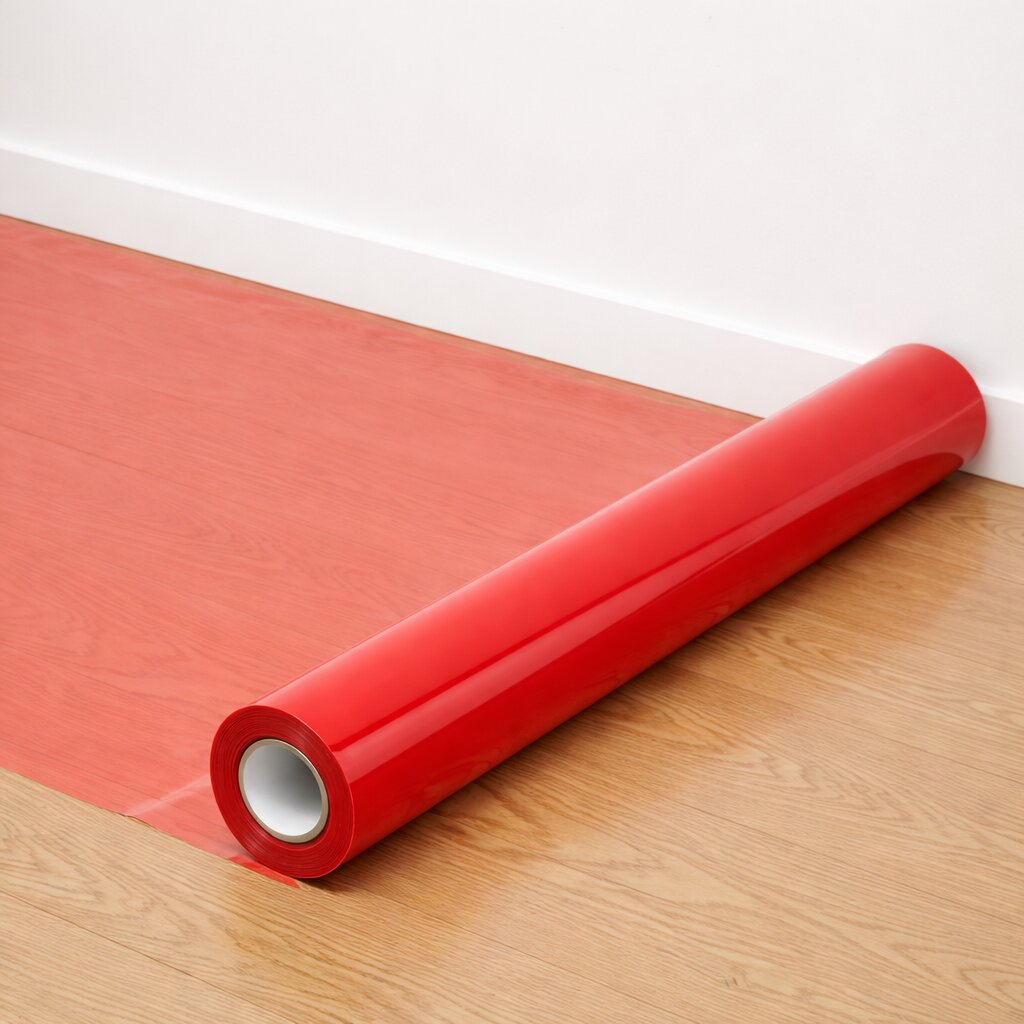
Plastic floor sheets remain the most commonly used floor protection option. Manufacturers typically produce them from polyethylene (PE) or polypropylene (PP). These sheets resist water, remain flexible, and weigh very little. As a result, they protect floors from dust, paint spills, and liquid accidents.
In addition, workers can easily roll out plastic sheets and cut them to the required size. Because of their versatility, they perform well in homes, offices, and construction sites.
Foam Sheets
Foam-backed sheets include a cushioning foam layer beneath a protective surface. This structure absorbs shock and reduces impact damage. For example, they protect marble, tile, and polished wood floors from heavy objects and dropped tools.
Moreover, foam sheets reduce noise from walking or moving equipment. In addition, some foam-backed options include anti-slip features. Because of this, they improve safety in high-traffic areas while protecting delicate flooring materials.
Peel-and-stick and Adhesive Sheets
Some temporary floor sheets include a peel-and-stick backing. This design allows the sheet to attach lightly to the floor. As a result, it stays in place and prevents slipping during work.
Adhesive sheets suit delicate flooring surfaces where movement could cause damage. Furthermore, users can remove them easily without leaving residue. Therefore, businesses and homeowners often choose this option for painting projects, office renovations, and home improvements that require minimal disruption.
Applications in Various Settings
Renovation and Construction Sites
Construction teams rely heavily on floor sheets during building and renovation work. They cover finished flooring while workers install walls, ceilings, fixtures, and fittings. Additionally, teams use them during carpentry, electrical installations, coating, and painting tasks. Consequently, they reduce damage and minimize cleanup requirements.
Residential Initiatives
Homeowners also use temporary floor protection during remodeling projects. Interior painting, kitchen upgrades, and bathroom renovations often expose floors to risk. By placing protective sheets in advance, homeowners prevent scratches, spills, and stains. As a result, they avoid costly repairs and refinishing work.
Office and Commercial Spaces
In many cases, businesses continue daily operations during renovations. Therefore, managers use floor coverings to protect surfaces while employees and visitors move around safely. This approach maintains a professional appearance and reduces interruptions. Additionally, these sheets help keep floors clean and free from dust. Click here if you want to know more about home decor ideas.
Benefits of floor sheets
Simple Removal and Installation
Installing temporary floor sheets requires minimal effort. Workers can quickly roll them out or lay them across surfaces. Many options include adhesive strips or tape for secure placement. After completing the project, workers can remove them easily without damaging the floor.
Economical Protection
Repairing damaged flooring often costs a significant amount. In comparison, floor sheets provide affordable protection. By preventing scratches, dents, and stains, they eliminate unnecessary repair expenses. Over time, this simple step helps maintain property value.
Portable and lightweight
Most floor protection sheets remain lightweight and easy to transport. Because of this, workers can move them between job sites without heavy equipment. Consequently, their portability increases efficiency and speeds up installation.