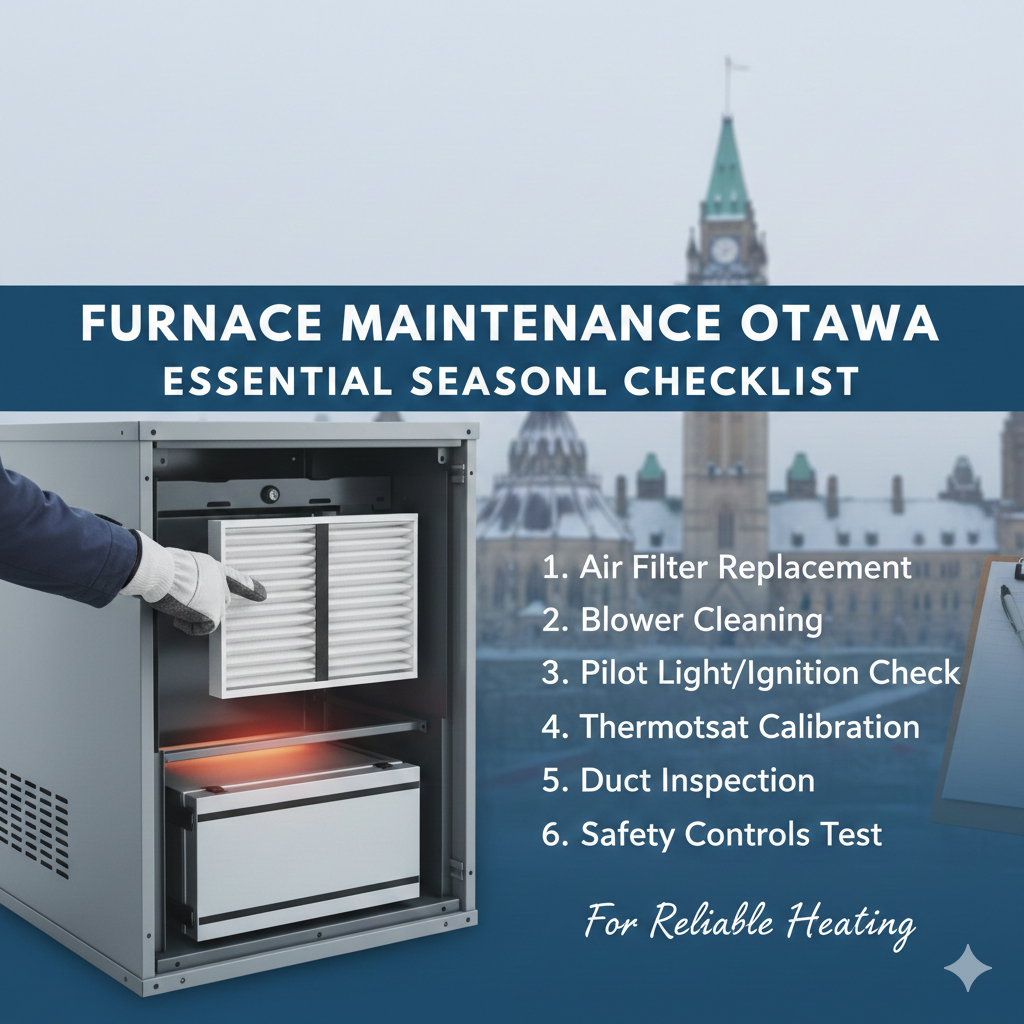
Keeping your furnace maintenance running efficiently saves you money, reduces breakdowns, and keeps your home comfortable when you need heat most. A few simple tasks—like changing filters, checking the ignition or pilot, and scheduling an annual professional tune-up—prevent common problems and extend the life of your system.
This post walks you through the essential maintenance steps and practical preventative strategies so you can protect your investment and avoid emergency repairs. You’ll learn what to do yourself, what to leave to a pro, and how small habits cut energy bills and improve safety.
Essential Furnace Maintenance Steps
Keep your furnace running safely and efficiently by focusing on targeted cleaning, routine part replacement, precise controls, and proper lubrication. These actions reduce breakdown risk, improve combustion, and help you avoid higher energy bills.
Inspecting and Cleaning Burners
Turn power off and shut the gas valve before you begin visual inspection of burners. Remove the access panel and look for rust, soot, or an uneven flame pattern—flames should be steady and mostly blue with small yellow tips.
Use a soft brush and vacuum with a narrow nozzle to remove dust and debris from burner ports and pilot assembly. If burners are corroded, replace them; minor soot can be wiped away with a damp cloth after vacuuming. Check ignition components (hot surface igniter or pilot) for cracks or wear and replace if damaged.
After cleaning, restore power and run the furnace while watching flame behavior and listening for unusual noises. If flames remain yellow, flicker, or you detect a gas smell, shut the unit off and call a licensed technician immediately.
Replacing Air Filters
Locate your filter—usually in the blower compartment or return-air duct—and note its size and MERV rating before removal. Replace disposable filters every 1–3 months depending on pet hair, occupancy, and seasonal use; higher MERV ratings capture finer particles but can restrict airflow if the system isn’t designed for them.
For washable or reusable filters, follow manufacturer instructions: rinse with low-pressure water, let dry completely, and reinstall. Mark the filter change date on the filter frame or in a maintenance log to maintain consistent intervals.
Always insert the filter with the airflow arrow pointing toward the furnace. A clogged filter forces the blower to work harder, raises energy use, and can overheat the heat exchanger.
Checking the Thermostat
Confirm the thermostat’s batteries and settings before seasonal use. Replace batteries annually or when the display dims; program schedules to match your occupancy and setpoints to reduce runtime without sacrificing comfort.
Verify calibration by comparing room temperature with a reliable digital thermometer placed near the thermostat. If readings differ by more than 1–2°F, recalibrate if the thermostat allows, or replace the unit for better control and efficiency.
Ensure wiring connections are tight and free of corrosion when the power is off. If you have a smart thermostat, check for firmware updates and Wi-Fi connectivity so remote controls and energy reports function correctly.
Lubricating Moving Parts
Turn off power at the service switch and disconnect before accessing the blower and motor. Inspect the blower wheel and motor bearings; many modern motors are permanently sealed and require no oil, while older motors have oil ports.
If your motor has oil ports, apply 2–3 drops of electric motor oil (non-detergent) to each port. Avoid over-oiling; excess oil attracts dust. Also lubricate blower shaft bearings, fan belts, and linkage points once per year or per manufacturer guidance.
After lubrication, spin the blower by hand to confirm smooth motion and reassemble panels. Restore power and listen for reduced vibration and quieter operation; persistent noise or resistance indicates a worn bearing or failing motor that needs professional replacement.
Preventative Strategies for Furnace Care
Focus on scheduled professional checks, active carbon monoxide monitoring, and ensuring correct airflow and venting. These three areas most directly reduce risk, improve efficiency, and extend your furnace’s service life.
Scheduling Regular Professional Inspections
Have a trained HVAC technician inspect your furnace at least once a year, ideally before the heating season starts. Ask the technician to perform a combustion analysis, check flame quality, test safety controls (limit switch, rollout switch), inspect the heat exchanger for cracks, and verify proper gas pressure or fuel delivery.
Get a written checklist and service report after each visit so you can track recurring issues and parts replaced. If your system is older than 10–15 years or you notice strange noises, rising bills, or uneven heat, schedule inspections twice a year and request a more thorough diagnostic.
Budget for minor repairs found during inspections to avoid more costly breakdowns. Replace worn parts (belts, bearings, ignitors) promptly, and record the technician’s recommendations to inform future service decisions.
Monitoring Carbon Monoxide Levels
Install at least one battery-backed carbon monoxide (CO) alarm on each level of your home and one near sleeping areas. Test alarms monthly, replace batteries annually or when the device signals low battery, and replace the alarm every 5–7 years per manufacturer instructions.
If an alarm sounds, get everyone out immediately and call emergency services from outside. Do not re-enter until first responders clear the home. After any CO event or if you smell fuel/see soot, have a qualified technician inspect the furnace and venting before using the system again.
Consider professional annual CO testing during inspections: technicians can measure CO at the flue and in the combustion chamber to detect incomplete combustion before alarms would trigger.
Maintaining Proper Ventilation
Keep combustion air pathways, flues, and vents clear of debris, bird nests, snow, and ice. Check exterior vent terminals periodically; if you have a power-vented or direct-vent system, ensure the intake and exhaust openings are free and unobstructed.
Inside, ensure return-air grilles and supply registers are not blocked by furniture or drapes. Change or clean filters per the manufacturer’s schedule—typically every 1–3 months—to maintain airflow and reduce strain on the blower motor.
Inspect ductwork for disconnected joints, excessive dust buildup, or visible leaks. Seal gaps with approved foil tape or mastic and insulate ducts in unconditioned spaces to prevent heat loss and improve overall system efficiency.