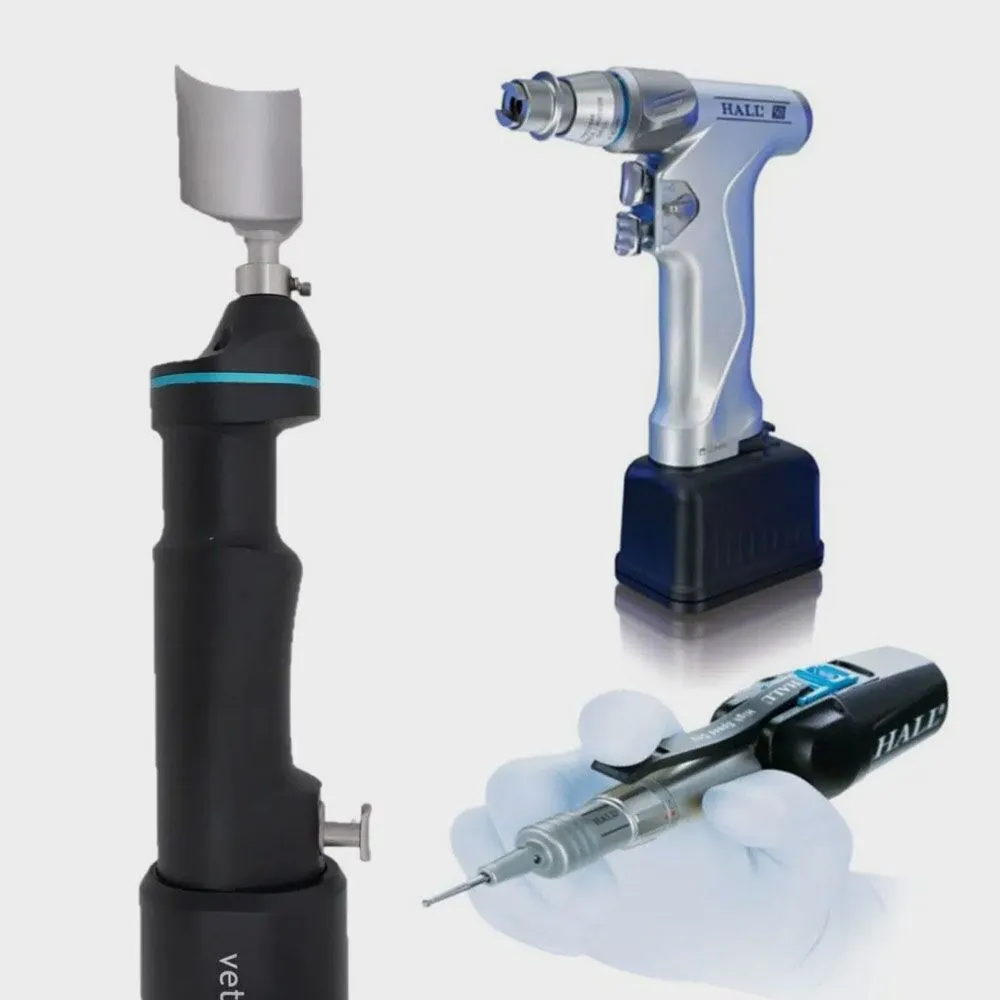
Orthopedic procedures in animals demand equipment that delivers steady performance, strong cutting ability, and smooth handling. When a surgeon is repairing fractures, reshaping bone, or preparing joints, the power tool they use needs to respond predictably. A well-designed handpiece that supports a wide range of blades, burs, and attachments helps the surgical team work with confidence. It also allows them to adapt quickly when a procedure requires a different cutting approach.
How Proven Engineering Supports Surgical Work
Orthopedic handpieces built on long-standing engineering experience tend to offer consistent power and smooth operation throughout a procedure. These qualities help veterinarians make clean, accurate bone cuts while reducing strain. Tools with stable internal mechanics avoid sudden slowdowns or surges, so the surgeon’s technique stays steady. A unit designed with durability in mind often handles repeated sterilization without losing performance, which is important in busy practices that use the same tool many times a day.
How the hall MicroFree Supports Surgical Efficiency
The hall MicroFree is especially valued in veterinary orthopedics because of its compatibility with different attachments. This flexibility helps teams switch between blades, burs, and other accessories as the procedure requires. A wide selection of options means the surgeon can fine-tune the cutting style for each animal’s anatomy. This supports greater precision, especially in cases that require delicate bone smoothing or careful drilling.
Sterilization That Fits a Busy Clinic’s Schedule
Power tools used in orthopedic work must be sterilized thoroughly to keep animals safe. Short-cycle sterilization systems are especially helpful for clinics that need tools ready quickly between procedures. Some setups allow a single tool to be prepared in minutes, while larger pouches can handle several items at once. Full-set systems can sterilize a complete batch of instruments, including power tools, blades, scopes, and lighting accessories.
Selecting the Right Attachments for Each Procedure
Orthopedic procedures vary widely in their demands. Some require thin blades for narrow cuts, while others call for sturdier options that remove more material. Burs and other rotary attachments come in different shapes and sizes, each suited for specific tasks like smoothing edges or shaping bone.
Supporting Better Outcomes for Animals
Well-prepared tools and a consistent workflow help animals recover more comfortably. A power tool that performs smoothly reduces the chance of jagged cuts or overheating during bone work. When sterilization cycles run predictably, surgeries stay on schedule, and animals spend less time waiting or under anesthesia. A calm, organized operating room also helps the veterinary team focus fully on the patient.