Construction projects involve many complex elements that must work together efficiently. While architectural design and structural engineering form the visible parts of a building, the systems that support everyday operations are equally important. These systems include heating, cooling, electricity, and plumbing. A mep design engineering specializes in planning and designing these essential building systems, ensuring that they operate efficiently and integrate smoothly with the building structure.
MEP stands for mechanical, electrical, and plumbing, and these systems play a major role in both the construction phase and the long-term performance of a building. When these systems are designed correctly from the beginning, construction costs can be significantly reduced. Proper planning helps avoid design conflicts, minimizes material waste, and improves construction efficiency.
By involving a professional MEP design firm early in the project, developers and contractors can control costs while maintaining high-quality construction standards.
Understanding the Role of MEP Design in Construction
MEP design is a critical part of the building planning process. Mechanical systems manage heating, cooling, and ventilation, electrical systems provide power and lighting, and plumbing systems supply water and handle drainage.
These systems must be carefully integrated into the building structure. If they are not properly coordinated during the design phase, construction teams may encounter conflicts that require expensive modifications later.
MEP design firms work closely with architects and structural engineers to ensure that all systems are properly aligned. This early collaboration helps identify potential issues before construction begins.
When planning is done correctly, the entire construction process becomes more organized, efficient, and cost-effective.
Preventing Costly Design Conflicts
Early Coordination Between Systems
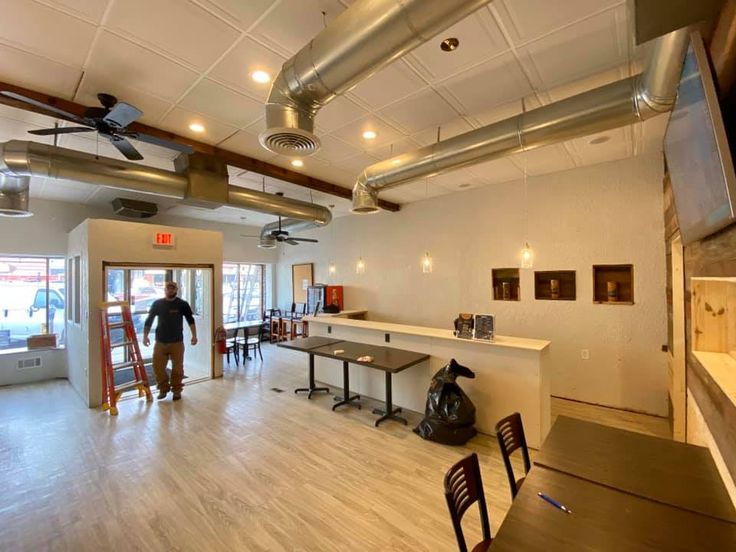
One of the main ways a MEP design firm reduces construction costs is by preventing design conflicts. In many construction projects, mechanical ducts, electrical wiring, and plumbing pipes must pass through limited spaces within the building structure.
Without proper planning, these systems may interfere with each other or with structural components. When such conflicts are discovered during construction, they can cause delays and require expensive redesign work.
MEP engineers use advanced design tools and coordination techniques to ensure that all systems fit properly within the building layout. This careful planning eliminates many problems before construction begins.
Reducing Rework During Construction
Rework is one of the most expensive problems in construction projects. If systems are incorrectly placed or poorly coordinated, contractors may need to remove and reinstall components.
MEP design firms reduce the likelihood of rework by providing clear and accurate system layouts. Contractors can follow these designs with confidence, knowing that the systems have already been carefully coordinated.
Reducing rework not only saves money but also helps keep the construction schedule on track.
Optimizing Material Usage
Construction materials represent a significant portion of a building’s total cost. MEP design firms help reduce these costs by carefully calculating the exact materials required for each system.
Instead of using unnecessary materials or oversized equipment, MEP engineers design systems that match the specific needs of the building.
For example, mechanical systems are designed to provide the required heating and cooling capacity without installing equipment that is larger than necessary. Electrical systems are planned to provide reliable power distribution while minimizing excessive wiring or equipment.
Efficient material planning helps reduce waste and ensures that resources are used effectively throughout the project.
Improving Energy Efficiency During Construction
Energy efficiency is another factor that influences construction costs. While energy efficiency is often associated with long-term operational savings, it can also reduce construction expenses.
MEP design firms select energy-efficient systems that require fewer resources and simpler installations. Efficient equipment often requires less infrastructure and can reduce the complexity of system layouts.
When energy-efficient systems are integrated into the building design, they contribute to lower installation costs and improved long-term performance.
In addition, buildings designed with energy efficiency in mind may qualify for sustainability certifications or government incentives, which can further reduce overall project costs.
Using Advanced Design Technology
Modern MEP design firms use advanced digital tools to improve planning and cost management. One of the most commonly used technologies is Building Information Modeling (BIM).
BIM allows engineers, architects, and contractors to create detailed three-dimensional models of a building and its systems. These models show how mechanical, electrical, and plumbing components will fit within the structure.
With BIM technology, design teams can identify potential conflicts before construction begins. This reduces the risk of errors and allows adjustments to be made during the planning stage rather than during construction.
Using advanced design technology improves accuracy, speeds up project planning, and helps control costs.
Streamlining Construction Processes
A well-prepared MEP design simplifies the construction process for contractors. Clear and detailed system drawings allow construction teams to understand exactly where equipment, pipes, and wiring should be installed.
When contractors have accurate plans, they can complete installations more quickly and efficiently. This reduces labor costs and helps the project stay within budget.
Efficient system layouts also make it easier to coordinate different construction teams working on the same site. Mechanical, electrical, and plumbing installations can be scheduled and completed without unnecessary delays.
By streamlining the construction process, MEP design firms help improve productivity and reduce project costs.
Selecting Cost-Effective Equipment
Choosing the right equipment is an important part of reducing construction costs. MEP engineers evaluate different equipment options to determine which solutions provide the best balance between performance and cost.
Instead of selecting expensive equipment that exceeds the building’s needs, engineers recommend systems that match the project requirements.
Cost-effective equipment also helps reduce installation complexity. Equipment that is easy to install and maintain can save both time and labor expenses during construction.
Careful equipment selection ensures that the building systems operate efficiently without increasing the overall project budget.
Supporting Long-Term Cost Savings
While the primary focus of MEP design is often on construction costs, these systems also influence long-term operational expenses. Efficient mechanical, electrical, and plumbing systems can significantly reduce energy consumption and maintenance requirements.
Buildings with well-designed MEP systems typically require fewer repairs and experience fewer operational disruptions. This reliability helps building owners avoid unexpected expenses in the future.
Investing in professional MEP design during the construction phase can therefore lead to both immediate and long-term financial benefits.
Collaboration With the Construction Team
Successful construction projects depend on effective communication between designers, engineers, and contractors. MEP design firms work closely with construction teams to ensure that system designs are practical and easy to implement.
Regular coordination meetings allow engineers and contractors to review system layouts and address potential challenges before installation begins.
This collaborative approach ensures that the construction process remains efficient and organized. When everyone involved in the project understands the design plans, the risk of errors and delays is significantly reduced.
Strong collaboration helps keep projects within budget and ensures successful project completion.
Conclusion
MEP design firms play a crucial role in reducing construction costs while maintaining high-quality building performance. By carefully planning mechanical, electrical, and plumbing systems, these professionals help eliminate design conflicts, optimize material usage, and streamline construction processes.
Advanced design technologies, energy-efficient solutions, and effective coordination with construction teams all contribute to cost savings throughout the project.
When MEP systems are properly designed and integrated, construction becomes more efficient, budgets are better controlled, and buildings perform reliably for many years.
For developers and property owners, working with an experienced MEP design firm is a smart investment that improves both project efficiency and long-term value.
Frequently Asked Questions
What does a MEP design firm do in construction?
A MEP design firm plans and designs the mechanical, electrical, and plumbing systems of a building to ensure efficient operation and proper integration with the structure.
How does MEP design reduce construction costs?
MEP design reduces costs by preventing design conflicts, optimizing material usage, improving installation efficiency, and reducing the need for rework during construction.
When should a MEP design firm be involved in a project?
A MEP design firm should be involved during the early planning stage of a construction project to ensure proper system coordination and cost-effective design.
Does MEP design help with energy efficiency?
Yes, MEP design firms develop energy-efficient heating, cooling, lighting, and water systems that reduce energy consumption and operating costs.
Why is coordination important in MEP design?
Coordination ensures that mechanical, electrical, and plumbing systems fit properly within the building structure without interfering with each other or with architectural elements.