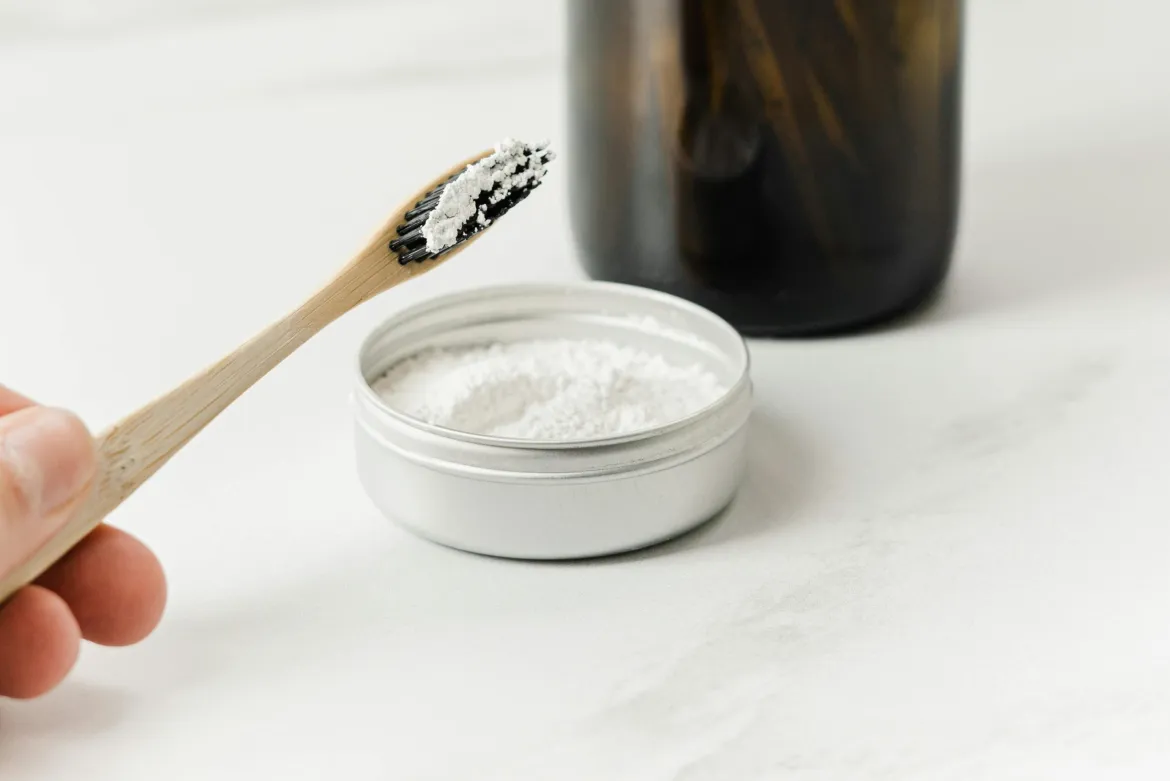
Oral care is an essential part of daily health, and many people are now looking for natural alternatives to commercial dental products. Learning how to make your own toothpaste with natural ingredients can help you avoid artificial chemicals while giving you more control over what you use in your daily routine. Homemade toothpaste is simple to prepare, affordable, and customizable according to your preferences.
Many store-bought toothpastes contain preservatives, synthetic flavors, and foaming agents. While these ingredients are widely used, some individuals prefer a more natural option. By understanding how to make your own toothpaste, you can use gentle ingredients that support oral hygiene while maintaining a fresh and clean feeling.
Why Choose Natural Toothpaste?
One of the main reasons people learn how to make your own toothpaste is the desire to reduce exposure to unnecessary additives. Natural ingredients can help clean teeth, freshen breath, and support gum health without relying on artificial compounds.
When you explore how to make your own toothpaste, you gain the ability to select ingredients that align with your preferences and needs. Understanding how to make your own toothpaste also allows you to adjust the flavor, texture, and ingredients according to your comfort, creating a personalized oral care routine.
Another advantage is sustainability. Preparing toothpaste at home often reduces plastic packaging and encourages the use of reusable containers, which can be more environmentally friendly.
Common Natural Ingredients Used in Homemade Toothpaste
When learning how to make your own toothpaste with natural ingredients, it is important to understand the role each ingredient plays. Many natural toothpaste recipes use a combination of gentle cleansers, natural oils, and flavoring agents.
Baking Soda
Baking soda is a popular ingredient in homemade toothpaste. It helps remove surface stains and neutralizes acids in the mouth that may contribute to tooth decay. Because it has mild abrasive properties, it can assist in cleaning teeth effectively.
Coconut Oil
Coconut oil is commonly used in natural oral care. It creates a smooth texture for toothpaste and helps the mixture spread easily on a toothbrush. Coconut oil also supports oral cleanliness and leaves a pleasant feeling after brushing.
Essential Oils
Essential oils are used mainly for flavor and freshness. Peppermint, spearmint, and tea tree oil are frequently added to homemade toothpaste. These oils provide a refreshing taste and enhance the overall brushing experience.
Salt
A small amount of salt may be added to help with gentle cleaning and to support gum care. However, it should be used sparingly to avoid excessive abrasiveness.
Xylitol
Xylitol is a natural sweetener that can improve the taste of homemade toothpaste. It is often included in natural dental products because it may help support oral health.
Simple Recipe for Natural Homemade Toothpaste
If you want to begin learning how to make your own toothpaste, this easy recipe is a good starting point. It uses basic ingredients that are commonly available.
Ingredients
- 2 tablespoons coconut oil
- 1 tablespoon baking soda
- 5 to 8 drops peppermint essential oil
- 1 teaspoon xylitol (optional)
Instructions
- Place the coconut oil in a small mixing bowl.
- Add baking soda and mix thoroughly until the texture becomes smooth.
- Add peppermint essential oil to create a fresh flavor.
- If desired, add xylitol to slightly sweeten the toothpaste.
- Mix all ingredients well until they form a consistent paste.
- Transfer the mixture into a small glass jar with a lid.
To use the toothpaste, apply a small amount to your toothbrush and brush as you normally would.
Variations of Natural Toothpaste
Once you understand how to make your own toothpaste, you can experiment with different ingredients to create new variations.
Herbal Toothpaste
Herbal powders such as clove powder, neem powder, or cinnamon may be added for a unique flavor and traditional oral care benefits.
Charcoal Toothpaste
Activated charcoal is sometimes included in DIY toothpaste recipes because it may help remove stains and whiten teeth. However, it should be used carefully because it can be abrasive.
Calcium-Based Toothpaste
Some natural toothpaste recipes include calcium carbonate powder to help provide minerals that support enamel health.
When experimenting with ingredients, it is best to start with small amounts to ensure the mixture remains gentle on teeth and gums.
Benefits of Making Your Own Toothpaste
Learning how to make your own toothpaste with natural ingredients offers several benefits.
Control Over Ingredients
You know exactly what goes into your toothpaste, which helps avoid unnecessary chemicals.
Customizable Flavors
Homemade toothpaste allows you to choose your preferred flavors and adjust the intensity of essential oils.
Affordable
Many of the ingredients used in DIY toothpaste are inexpensive and last for multiple batches.
Environmentally Friendly
Using reusable containers and natural ingredients can help reduce plastic waste from commercial toothpaste tubes.
Safety Tips for Homemade Toothpaste
While natural toothpaste can be beneficial, it is important to follow certain precautions.
Use abrasive ingredients such as baking soda in moderation to avoid damaging tooth enamel. Essential oils should also be used sparingly because they are highly concentrated.
It is also important to maintain a complete oral care routine that includes brushing twice daily, flossing regularly, and visiting a dentist for routine checkups.
Homemade toothpaste may not contain fluoride, which is commonly used in commercial toothpaste to strengthen enamel. For this reason, some individuals prefer to alternate between natural toothpaste and fluoride toothpaste depending on their dental needs.
Storing Your Homemade Toothpaste
Proper storage helps keep your toothpaste fresh and safe to use. Store the mixture in a clean, airtight container and keep it in a cool, dry place. Because homemade toothpaste does not contain preservatives, it is best to prepare small batches that can be used within a few weeks.
Using a clean spoon or spatula to remove toothpaste from the container can also help prevent contamination.
Conclusion
Understanding how to make your own toothpaste with natural ingredients is a simple way to explore a more natural approach to oral care. With ingredients such as coconut oil, baking soda, and essential oils, you can create a toothpaste that cleans teeth, freshens breath, and fits your personal preferences.
Learning how to make your own toothpaste can be a rewarding way to take a more natural approach to oral care. With simple ingredients such as baking soda, coconut oil, and essential oils, you can create a homemade toothpaste that helps clean teeth and freshen breath. Many oral health experts, including professionals such as a Denver Dentist in USA, also encourage people to understand the ingredients they use for daily dental care so they can make safer and more informed choices.
By experimenting with different natural ingredients and recipes, you can discover how to make your own toothpaste that supports your oral health while aligning with your personal wellness goals