Water damage restoration in Las Vegas homes is a complete process that helps homeowners recover after water damage. Even though Las Vegas is known for its dry desert climate, water damage is still a serious and common problem. Burst pipes, air conditioning leaks, appliance failures, roof leaks, and flash floods often cause water to enter homes without warning.
When water enters a home, it spreads fast. It moves through floors, walls, ceilings, and furniture. If homeowners do not act quickly, water damage can lead to mold growth, bad odors, and serious structural damage. Water damage restoration stops the damage, removes moisture, cleans the home, and restores it to a safe and livable condition.
This blog explains how water damage restoration in Las Vegas homes, step by step, and why fast action and professional help are important.
Understanding Water Damage in Las Vegas Homes
Many people believe water damage only happens in places with heavy rain or flooding. This is not true. Las Vegas homes face many water damage risks.
Common causes include:
-
Broken or burst pipes
-
Leaking air conditioning systems
-
Water heater failures
-
Washing machine or dishwasher leaks
-
Roof leaks during storms
-
Flash flooding after heavy rain
Las Vegas homes often use drywall, wood framing, insulation, and tile flooring. These materials absorb water quickly. Once water enters these materials, damage begins right away. Because Las Vegas temperatures are often warm, moisture can also cause mold to grow faster if not removed properly.
What Is Water Damage Restoration?
Water damage restoration is the process of cleaning, drying, repairing, and restoring a home after water damage occurs. The goal is to remove all water and moisture, prevent mold growth, and repair damaged areas so the home becomes safe again.
Restoration does not only focus on visible water. Professionals also find and remove hidden moisture inside walls, under floors, and in ceilings. This complete approach prevents future problems and protects the structure of the home.
Water damage restoration combines cleanup, drying, sanitation, and repairs into one organized process.
Why Fast Action Matters After Water Damage
Time plays a major role in water damage restoration. The longer water sits inside a home, the more damage it causes.
Fast action helps:
-
Reduce repair costs
-
Prevent mold growth
-
Protect indoor air quality
-
Save furniture and personal belongings
-
Prevent long-term structural damage
Mold can begin growing within 24 to 48 hours. Acting quickly improves the chance of saving materials and reducing health risks.
Step-by-Step Process of Water Damage Restoration
Water damage restoration follows a clear and proven process. Each step is important and builds on the previous one.
Step 1: Inspection and Damage Assessment
The restoration process starts with a detailed inspection. Professionals examine all affected areas and measure moisture levels using special tools.
During inspection, they:
-
Find the source of the water
-
Identify how far the water has spread
-
Check walls, floors, and ceilings
-
Measure moisture levels
They also determine the type of water involved.
Types of water include:
-
Clean water from broken pipes or rain
-
Gray water from appliances or sinks
-
Black water from sewage or floodwater
This step helps create a safe and effective restoration plan.
Step 2: Stopping the Source of Water
Before cleanup begins, professionals stop the source of the water. This step prevents further damage.
This may include:
-
Shutting off the main water supply
-
Fixing a broken pipe
-
Repairing an appliance
-
Covering a roof leak
Stopping the water allows restoration to move forward safely.
Step 3: Removing Standing Water
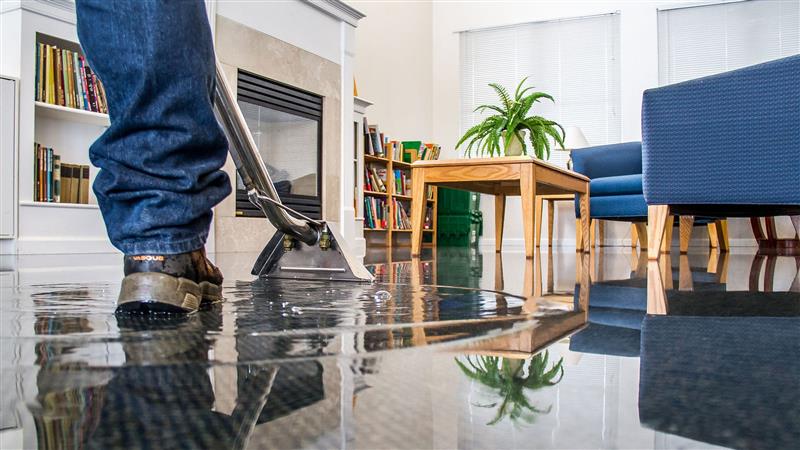
After inspection, restoration teams remove standing water using powerful pumps and wet vacuums. Fast water removal is critical.
Removing water quickly:
-
Stops further soaking of materials
-
Reduces drying time
-
Limits damage to floors and walls
Even small amounts of standing water can cause serious damage if left untreated.
Step 4: Drying and Dehumidification
Water removal alone is not enough. Moisture often remains trapped inside walls, floors, insulation, and furniture.
Professionals use:
-
Air movers to circulate air
-
Dehumidifiers to remove moisture from the air
This step:
-
Dries hidden moisture
-
Prevents wood from warping
-
Stops drywall from weakening
-
Reduces mold risk
Drying can take several days, depending on the amount of water and size of the affected area.
Step 5: Monitoring the Drying Process
Drying requires careful monitoring. Restoration teams check moisture levels daily to make sure materials dry completely.
They adjust equipment as needed and continue drying until moisture levels return to normal. Proper monitoring prevents future issues and ensures the job is done right.
Step 6: Cleaning and Sanitizing the Home
Water damage often leaves behind dirt, bacteria, and unpleasant odors. Cleaning and sanitizing restore a healthy living environment.
This step includes:
-
Disinfecting walls, floors, and surfaces
-
Cleaning carpets and upholstery
-
Removing odors
-
Killing bacteria and germs
If sewage water caused the damage, professionals use special cleaning methods to protect health and safety.
Step 7: Mold Prevention and Treatment
Because Las Vegas has warm temperatures, mold can grow quickly if moisture remains. Restoration teams check for mold throughout the process.
If mold is present, professionals:
-
Remove affected materials
-
Clean mold-contaminated areas
-
Treat surfaces with antimicrobial products
-
Prevent mold from returning
Mold prevention is a key part of water damage restoration.
Step 8: Repair and Restoration of Damaged Areas
After drying and cleaning, the final step restores the home to its original condition.
Repairs may include:
-
Replacing damaged drywall
-
Painting walls and ceilings
-
Installing new flooring
-
Repairing cabinets and trim
-
Restoring damaged rooms
In severe cases, parts of the home may need partial or full reconstruction.
How Long Does Water Damage Restoration Take?
The length of water damage restoration depends on several factors:
-
Amount of water involved
-
Size of the affected area
-
Type of water damage
-
How quickly restoration begins
Minor water damage may take a few days. Severe damage may take several weeks. Acting quickly helps shorten the restoration timeline.
Signs Your Las Vegas Home Needs Water Damage Restoration
Some water damage is easy to see. Other damage stays hidden. Watch for these warning signs:
-
Water stains on ceilings or walls
-
Musty or damp odors
-
Bubbling or peeling paint
-
Warped or soft floors
-
Mold spots
-
Sudden increase in water bills
These signs often mean water damage exists behind walls or under floors.
Hidden Water Damage Can Be Dangerous
Hidden water damage causes serious problems if left untreated. Moisture trapped inside walls and under floors weakens structures and creates mold growth.
Professional restoration teams use moisture meters and detection tools to locate hidden moisture and fully dry affected areas.
Can Homeowners Handle Water Damage on Their Own?
Small spills or minor leaks can be handled by homeowners. However, major water damage requires professional restoration.
Household fans and shop vacuums cannot:
-
Remove deep moisture
-
Detect hidden water
-
Prevent mold growth
Professional restoration services use advanced equipment and trained technicians to ensure complete and safe restoration.
Water Damage Restoration and Insurance Claims
Many insurance policies cover water damage caused by sudden and accidental events, such as burst pipes or appliance failures.
Restoration professionals often help homeowners by:
-
Documenting damage
-
Taking photos
-
Providing detailed reports
-
Communicating with insurance companies
Fast action helps support insurance claims and speeds up recovery.
Preventing Water Damage in Las Vegas Homes
While not all water damage can be prevented, simple steps reduce risk:
-
Inspect plumbing regularly
-
Replace old hoses and pipes
-
Maintain air conditioning systems
-
Fix roof damage early
-
Install water leak detectors
-
Shut off water when leaving home for long periods
Prevention saves time, money, and stress.
Final Thoughts
Water damage restoration in Las Vegas homes follows a clear and organized process that removes water, dries moisture, cleans affected areas, and repairs damage. Despite the desert climate, water damage happens often due to plumbing issues, storms, and appliance failures.
Understanding how water damage restoration works helps homeowners act quickly and make informed decisions. Fast response, professional restoration, and proper repairs protect homes from mold, structural damage, and long-term problems.
Water damage does not fix itself. The sooner restoration begins, the better the results for your Las Vegas home.