Indoor air quality has become a major concern for homeowners and businesses across Dorset. With modern buildings becoming more airtight and people spending more time indoors, the quality of the air inside homes, offices, and commercial spaces plays a vital role in health, comfort, and productivity. Poor indoor air can lead to allergies, respiratory problems, fatigue, and long-term health risks. That is why improving Indoor Air Quality Dorset is now a priority for property owners who want a cleaner, healthier living environment.
In Dorset, coastal humidity, seasonal pollen, dust, and indoor pollutants can significantly affect air quality. Understanding these factors and implementing proper ventilation, filtration, and maintenance strategies can dramatically improve indoor air conditions.
Why Indoor Air Quality Matters
Many people assume outdoor pollution is the biggest health risk, but indoor air can often be two to five times more polluted than outdoor air. Homes and offices can trap harmful particles and gases that circulate continuously if proper ventilation is not in place.
Poor indoor air quality can cause:
-
Allergies and asthma symptoms
-
Headaches and fatigue
-
Respiratory irritation
-
Sleep disturbances
-
Reduced workplace productivity
In Dorset homes, especially older properties or tightly insulated modern buildings, contaminants can build up quickly without effective ventilation systems.
Common Indoor Air Pollutants in Dorset Homes
Several pollutants commonly affect indoor air quality in Dorset properties.
Dust and Dust Mites
Dust is one of the most common pollutants found in homes. It contains skin cells, fibres, pollen, and microscopic dust mites that can trigger allergic reactions.
Mould and Dampness
Due to Dorset’s coastal climate and humidity levels, mould growth can occur in bathrooms, kitchens, basements, and poorly ventilated rooms. Mould spores can lead to breathing problems and unpleasant odours.
Volatile Organic Compounds (VOCs)
Many household products release chemicals known as VOCs. These can come from:
-
Paints and varnishes
-
Cleaning products
-
Air fresheners
-
Furniture and carpets
Exposure to VOCs can cause dizziness, headaches, and long-term health issues.
Pet Dander
Homes with pets often have higher levels of allergens from fur and skin particles.
Carbon Monoxide
Faulty boilers, gas heaters, or poorly maintained heating systems can release carbon monoxide, a dangerous and potentially fatal gas.
Signs Your Indoor Air Quality May Be Poor
Many people live with poor air quality without realizing it. Some common warning signs include:
-
Persistent musty smells
-
Excessive dust accumulation
-
Frequent allergy symptoms indoors
-
Condensation on windows
-
Mould spots on walls or ceilings
-
Poor airflow between rooms
If you notice these issues regularly, it may be time to assess your indoor air quality and improve ventilation.
Effective Ways to Improve Indoor Air Quality in Dorset
Improving indoor air quality does not always require major renovations. Simple changes can make a significant difference.
Improve Ventilation
Proper airflow is one of the most important steps. Opening windows regularly and installing mechanical ventilation systems helps remove stale air and bring in fresh outdoor air.
Install Air Purification Systems
Air purifiers with HEPA filters can capture dust, pollen, pet dander, and other airborne particles, making them especially helpful for allergy sufferers.
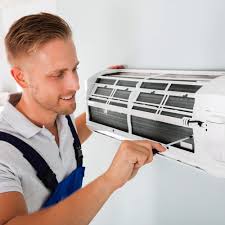
Maintain HVAC Systems
Heating and cooling systems can accumulate dust and contaminants if not maintained. Regular servicing and filter replacement keep air circulation clean and efficient.
Control Humidity Levels
Keeping indoor humidity between 30% and 50% helps prevent mould growth. Dehumidifiers can be particularly useful in coastal areas like Dorset.
Use Low-VOC Products
When decorating or cleaning your home, choose low-VOC paints, furniture, and cleaning products to reduce chemical pollutants.
The Role of Professional Indoor Air Quality Services
While DIY solutions help, professional indoor air quality services can provide deeper analysis and long-term improvements. Experts use advanced equipment to detect hidden pollutants and recommend the best ventilation or filtration systems.
Professional services may include:
-
Indoor air testing
-
Ventilation system installation
-
Air filtration upgrades
-
HVAC maintenance and cleaning
-
Mould detection and treatment
For homeowners and businesses in Dorset, these services ensure a safer and healthier indoor environment.
Indoor Air Quality for Businesses in Dorset
Good air quality is equally important in commercial spaces. Offices, retail stores, and hospitality venues rely on clean air to ensure employee well-being and customer comfort.
Benefits for businesses include:
-
Improved employee productivity
-
Reduced sick days
-
Better customer experience
-
Compliance with health and safety standards
Modern ventilation systems and air purification technology can significantly improve workplace environments.
Final Thoughts
Maintaining excellent Indoor Air Quality Dorset is essential for protecting health and creating comfortable living and working spaces. By understanding common pollutants, improving ventilation, and maintaining HVAC systems, property owners can dramatically improve the air they breathe every day.
Whether through simple household practices or professional air quality solutions, investing in clean indoor air leads to healthier families, more productive workplaces, and long-term property value. In a beautiful coastal region like Dorset, ensuring that the air inside your home is just as fresh as the air outside should always be a top priority.