Thinking about laser hair removal Ottawa ? You can get long-lasting reduction of unwanted hair when you choose medically approved technologies and a clinic with experienced technicians. Expect safer, faster, and more effective results than shaving or waxing when a qualified Ottawa clinic uses the right device for your skin and hair type.
You’ll learn what options local clinics offer, how treatments work, typical results and session counts, and what to look for when picking a provider. This guide focuses on practical facts so you can compare clinics, understand costs and downtime, and feel confident booking your consultation.
Laser Hair Removal in Ottawa
You can expect consultations, device choices, session planning, and recovery guidance when you book laser hair removal in Ottawa. Clinics use medically approved lasers, tailor treatment to your skin and hair, and provide pricing options and patch tests before full sessions.
How Laser Hair Removal Works
Laser devices target melanin in hair follicles to heat and disable the follicle without cutting the skin. Trained clinicians select wavelengths and pulse durations based on your skin tone and hair thickness to maximize follicle damage while minimizing burns.
Most courses require multiple sessions spaced 4–8 weeks apart to catch hairs in different growth phases. You may see 60–90% hair reduction after a full course, with maintenance sessions sometimes needed for hormonal or light-fine hair regrowth. Clinics in Ottawa commonly perform a small test spot first and document settings for consistency.
Follow pre- and post-care instructions—avoid recent tanning, shave the area 24–48 hours before, and use sunscreen afterward. Expect transient redness or mild swelling that subsides in a few days.
Benefits of Laser Hair Removal
You reduce frequent shaving, waxing, and associated irritation by targeting hair at the follicle level. This lowers occurrences of ingrown hairs and razor burn, which is helpful in humid or active lifestyles common in Ottawa.
Treatments save time over months and years versus daily or weekly hair removal routines. Many people report smoother skin and longer-lasting results; most providers describe permanent hair reduction rather than guaranteed permanent removal. You also avoid chemical depilatories and their potential irritants.
Clinics in Ottawa offer FDA- and Health Canada–cleared devices like Alexandrite, Nd, and Diode lasers to treat a range of skin tones. Choosing experienced technicians and medically supervised clinics reduces complication risks and improves outcome predictability.
Ideal Candidates in Ottawa
You are an ideal candidate if you have dark, coarse hair and light-to-medium skin, as contrast improves laser targeting. However, modern Nd and some diode systems can treat darker skin safely when operated by experienced staff.
People with hormonal imbalances, polycystic ovary syndrome (PCOS), or certain medications may need medical evaluation before treatment. You should avoid treatment if you’re pregnant, have active sunburn, or are using photosensitizing drugs.
Bring medical history and a list of medications to your consultation. Expect providers to assess scars, tattoos, and recent tanning to decide the best device and session plan for your skin and hair combination.
Choosing a Laser Hair Removal Clinic
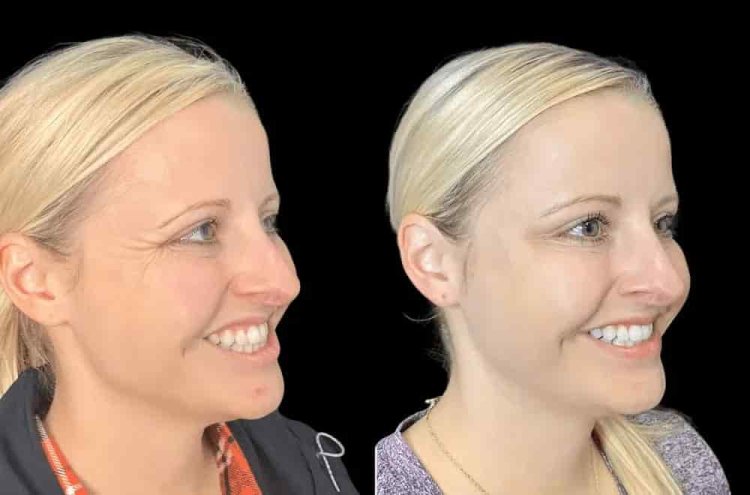
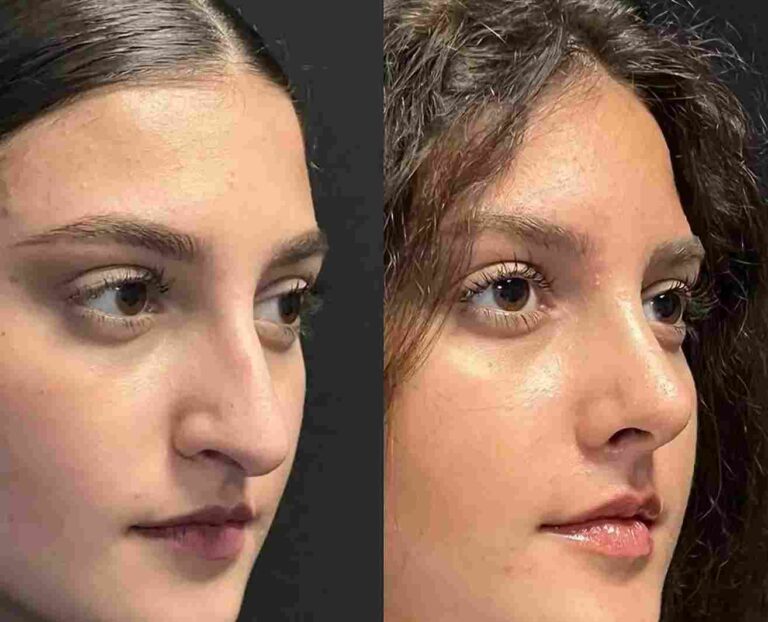
Pick a clinic that documents staff credentials, lists the exact laser models they use, and explains pricing and session counts upfront. Prioritize clinics that offer a medical consult, clear consent forms, and visible before-and-after photos for the treatment area you want.
What to Expect During Your Appointment
You start with a medical history and skin/hair assessment to confirm suitability—expect questions about medications, tanning, and prior hair removal methods. A clinician will examine the treatment area, measure skin tone with a Fitzpatrick-like scale, and explain expected session count for your hair color and density.
The technician or nurse will mark the area and may shave it; you should arrive not waxed or epilated for at least 4–6 weeks. During treatment you’ll feel repeated pulses of heat; clinics commonly use cooling devices or topical anesthetic to reduce discomfort. Each pass takes seconds to minutes depending on area size; a full underarm session can be under 15 minutes, while legs take longer.
Safety Standards and Technologies
Confirm the clinic uses Health Canada–cleared or FDA-cleared devices and that operators are trained on those specific lasers. Ask which wavelength(s) they use—Alexandrite and diode work well for lighter-to-medium skin tones; Nd suits darker skin—and request the device make/model if you want to verify suitability for your skin type.
Look for on-site medical oversight or a physician available for complications. Verify infection-control practices: single-use gloves, cleaned handpieces, and client records for patch tests and settings used. A reputable clinic documents pre- and post-treatment photos, patch-test results, and laser parameters for each session.
Aftercare and Recovery
Expect temporary redness and mild swelling for a few hours to 48 hours; apply a cool compress and a fragrance-free moisturizer. Avoid sun exposure and use SPF 30+ daily on treated areas for at least four weeks to prevent hyperpigmentation.
Do not wax, pluck, or bleach hair between sessions; shaving is allowed. Wait the recommended interval—typically 4–8 weeks—before the next session so hairs in different growth phases are effectively targeted. Contact the clinic if you notice blistering, persistent pain, or signs of infection so they can advise treatment adjustments.