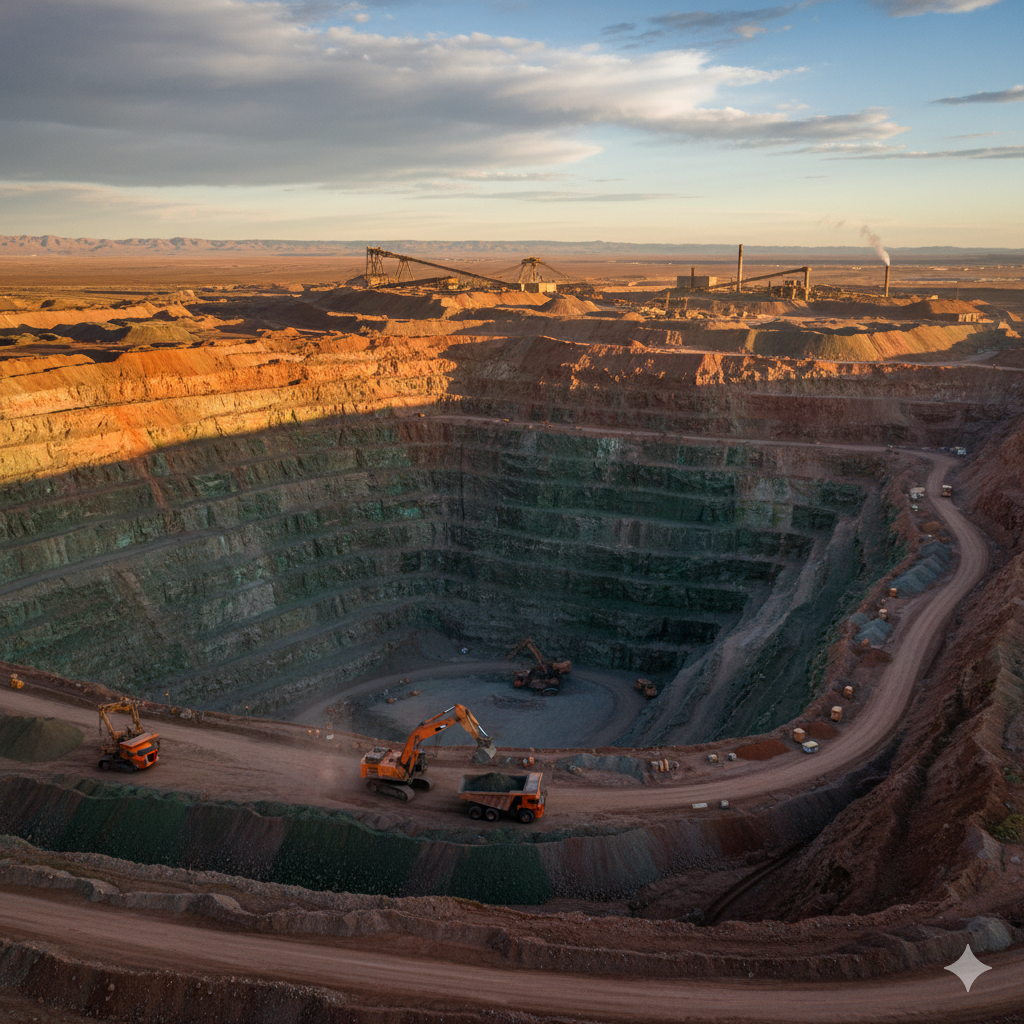
You can trace Michigan’s mining story from 19th-century copper booms to modern nickel and iron operations, and you’ll find that mining still shapes the state’s economy, communities, and landscape. Mining in Michigan remains a significant source of industrial minerals and metals—iron, copper, nickel, salt, gypsum, and aggregate—and new demand for battery metals is driving renewed interest in the Upper Peninsula.
Expect a mix of history, current operations, and the trade-offs that come with mining: the economic benefits for local towns, regulatory frameworks that govern reclamation and water protection, and environmental concerns that influence project approvals. This article guides you through where mining stands today, how it got here, and what that means for Michigan’s future.
History and Current State of Mining in Michigan
You will find a deep mining legacy concentrated in the Upper Peninsula, with iron and copper shaping regional economies, and a modern industry that includes active metallic mines, aggregate operations, and renewed interest in battery metals.
Early Mining Developments
You can trace large-scale mining in Michigan to the 19th century, when copper and iron discoveries triggered rapid industrial expansion. The Keweenaw Peninsula hosted some of the earliest and most productive native copper mining in the United States, beginning in the 1840s and fueling local towns, shipping, and smelting infrastructure.
Railroads and ports grew alongside mines, linking deposits to Great Lakes transport routes. Immigrant labor, mining camps, and company towns shaped social life. By the late 1800s, the Marquette and Menominee iron ranges emerged as major sources of iron ore for steel mills in the Midwest.
Major Minerals and Resources
Michigan’s principal historic commodities include copper, iron, and silver, with ongoing production of aggregates and industrial minerals. You should note current outputs: iron ore remains significant in northern ranges, while copper appears both in legacy deposits and targeted exploration for battery-related demand.
Other extracted materials include sand, gravel, cement, and small-scale operations for nickel and specialty industrial minerals. State regulatory divisions oversee metallic, native copper, dune sand, and coal activities, ensuring transportation, waste, and reclamation requirements are met.
Key Historical Mines
You can point to specific sites that defined Michigan mining history. In the Keweenaw, the Calumet & Hecla and Quincy mines produced massive volumes of native copper and left substantial surface infrastructure. The Wolverine and Kearsarge mines are noted for distinctive “shot copper” and visible amygdaloidal basalt deposits.
On the iron side, the Empire and Tilden areas within the Marquette range and the Menominee Range operations supplied ore to Great Lakes steelmakers. Many of these mines created complex underground workings and headframes that remain cultural landmarks and museum sites today.
Modern Mining Operations
You will see a mix of active large-scale operations and smaller contractors across the state today. Contemporary iron mining continues in the Marquette and Gogebic areas with open-pit methods and beneficiation plants tied to rail and port logistics. Aggregate producers operate widely to supply construction materials statewide.
Renewed interest in copper, nickel, and critical minerals has driven exploration projects, especially where deposits might support electric vehicle supply chains. Regulators require mine plans, waste management, and reclamation bonds; companies must follow transport and storage rules for ore and waste materials.
Economic, Environmental, and Regulatory Aspects
Michigan’s mining sector affects jobs, local tax bases, and land use while facing specific environmental risks and a defined regulatory system that governs permits, inspections, and reclamation.
Contribution to Michigan’s Economy
You can expect mining to directly support jobs in extraction, processing, and related supply chains, particularly in the Upper Peninsula where copper and iron ore have historic and ongoing importance. Active projects like Copperwood and Back Forty generate local employment, contract work for equipment and transportation firms, and secondary spending in communities.
Mining revenues contribute to local tax bases and provide royalties or fees that fund county and state services. Small- and medium-sized operators dominate many sites, so economic impacts often concentrate regionally rather than statewide. You should also note that new critical-mineral projects attract investment tied to battery and defense supply chains, which can alter regional economic trajectories.
Environmental Impact and Sustainability
You face several environmental concerns from mining: surface disturbance, waste rock and tailings management, water quality risks, and habitat fragmentation. Historic sites in the Keweenaw and Marquette areas illustrate legacy acid mine drainage and soil contamination issues that require long-term monitoring and remediation.
Sustainable practices focus on minimizing footprint, controlling runoff, and planning for reclamation and closure. Modern projects typically include engineered tailings systems, water treatment plans, and progressive reclamation schedules. You should evaluate proposed closure plans, financial assurance amounts, and monitoring commitments to judge an operation’s environmental risk profile.
Mining Laws and Regulatory Framework
You must follow state oversight primarily administered by the Michigan Department of Environment, Great Lakes, and Energy (EGLE), which issues permits, conducts inspections, and enforces environmental standards. The Geologic Resources Management Division (GRMD) regulates metallic and other mining types, and requires plans for ore handling, waste storage, and reclamation.
Key regulatory elements you’ll encounter:
- Permit application requirements and technical studies (hydrology, geochemistry).
- Financial assurance to guarantee reclamation and closure.
- Inspection and compliance provisions with penalties for violations.
Local ordinances and federal laws (wetlands, endangered species, Clean Water Act) also apply, so projects typically navigate multi-agency review. You should consult permit documents and agency records to verify conditions, timelines, and enforceable mitigation measures before assessing a project’s regulatory compliance.