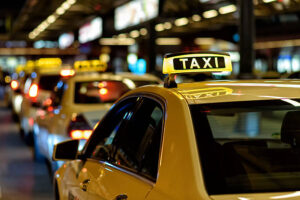
Reddish taxis have long captured the imagination of city dwellers and travelers alike. Their bold, warm hue stands out sharply against gray asphalt, concrete skylines, and the constant flow of traffic. The color red, often associated with energy, urgency, and movement, perfectly symbolizes the purpose of a taxi: to move people swiftly from one place to another. When a fleet of reddish taxis fills a busy avenue, it creates a striking visual rhythm that becomes inseparable from the city’s identity.
Across the world, certain cities are known for their uniquely colored cabs. In New York City, the famous yellow taxis dominate, yet specialty and vintage services sometimes use deeper red tones to stand apart. Meanwhile, in Hong Kong, red taxis are a common sight in urban districts, distinguishing them from green and blue taxis that serve different regions. The reddish shade not only differentiates service areas but also adds to the visual storytelling of the city.
Historical Roots of Taxi Color Choices
The decision to paint taxis in bright, noticeable colors dates back to the early 20th century. Taxi operators needed a way to make their vehicles instantly recognizable to pedestrians. High-visibility colors like yellow and red proved effective in crowded streets. In some European cities, reddish taxis became associated with premium or licensed services, signaling reliability and official approval.
Color psychology also played a role. Red tones naturally draw the human eye more quickly than cooler shades. For someone scanning a busy street while running late, spotting a reddish taxi can be significantly easier than noticing a neutral-colored vehicle. Over time, these practical decisions evolved into cultural symbols. The reddish taxi became more than transportation; it became a moving landmark.
Cultural Identity and Symbolism
Reddish taxis often reflect deeper cultural meanings tied to the color red. In many Asian cultures, red symbolizes prosperity, luck, and celebration. This cultural significance reinforces the choice of red taxis in cities like Beijing, where red is prominent in architecture, festivals, and national symbolism. A reddish taxi in such a setting blends tradition with modern mobility.
In Western contexts, red can represent speed, passion, or even luxury. A fleet of reddish taxis may signal a boutique transport service that aims to stand out from standard city cabs. Tourists frequently photograph these vehicles because their bold color enhances travel memories. Just as visitors associate black cabs with London, they may link reddish taxis with cities that embrace vibrant street life and dynamic energy.
Marketing and Brand Recognition
From a business perspective, reddish taxis or tameside taxis provide strong branding advantages. A distinctive color makes it easier for customers to identify official vehicles, reducing confusion and increasing trust. In competitive transport markets where ride-hailing apps and private cars dominate, traditional taxi companies benefit from a memorable appearance.
Brand consistency also extends to logos, driver uniforms, and digital platforms. When customers open an app and see the familiar reddish taxi icon approaching on the map, it reinforces reliability and recognition. The color becomes part of the company’s promise. Even in photographs and promotional materials, reddish taxis stand out more dramatically than white or gray vehicles.
Furthermore, safety considerations support bright colors. Studies in traffic visibility suggest that bold hues like red improve detection in peripheral vision. While not a substitute for proper lighting and signage, a reddish taxi can be easier to spot at dusk or in heavy rain compared to darker cars.
Urban Aesthetics and Photography
Reddish taxis contribute significantly to urban aesthetics. City planners and tourism boards understand the importance of visual branding. Just as trams in certain cities are painted in signature colors, taxis can shape the overall look of transportation networks. A coordinated fleet of reddish taxis moving through historic districts or modern financial centers adds a cinematic quality to daily life.
Photographers often use color contrast to create compelling images. A reddish taxi passing by stone buildings, glass skyscrapers, or tree-lined avenues provides a vivid focal point. Travel blogs, postcards, and social media feeds frequently highlight these scenes, turning taxis into unofficial ambassadors of the city.
The Future of Reddish Taxis in a Changing World
As transportation evolves toward electric vehicles and autonomous driving, the visual identity of taxis remains important. Even if the engines change, the color may stay the same. Electric reddish taxis could combine environmental responsibility with traditional brand identity, ensuring continuity in a rapidly transforming industry.
Ride-sharing platforms have altered how people think about taxis, yet physical visibility still matters. When someone steps out of a train station or airport, seeing a line of reddish taxis offers reassurance. It signals accessibility, structure, and immediate service without the need for an app or reservation.
In the future, cities may experiment with smart paint technology, reflective coatings, or customizable digital panels. However, the core idea behind reddish taxis will likely endure. Their bold color connects past and present, blending practicality with symbolism.
Reddish taxis are more than vehicles; they are moving icons embedded in the cultural and visual fabric of urban life. Through history, marketing, culture, and design, they continue to shape how we experience cities. Whether in bustling Asian metropolises or European capitals, the sight of a reddish taxi racing down the street remains a powerful symbol of motion, opportunity, and the ever-changing rhythm of city living.