Thinking about a Remodeling Companies which can feel overwhelming, but you can make smart choices that save time, money, and stress. Start by focusing on what you want the finished space to do for your life, then match those goals to companies with the right licenses, portfolios, and clear communication.
This article shows how to evaluate contractors, compare services like kitchens, bathrooms, additions, and ADUs, and spot red flags before signing a contract. You’ll learn practical steps to narrow your options and hire a team that delivers quality work on schedule and within budget.
Choosing the Right Remodeling Companies
How to find remodel companies ? Focus on measurable facts: years of similar projects, complete service lists with pricing structure, and verified licenses or certifications. These specifics determine schedule reliability, cost transparency, and legal protection.
Evaluating Experience and Expertise
Check the number of years a company has completed projects like yours and ask for five recent references with photos. Request examples of completed work that match your scope—kitchen layout changes, bathroom plumbing relocations, or whole-house structural updates—and verify timelines and final costs against estimates.
Ask about the team’s trade mix: in-house carpenters, licensed electricians, and plumbers reduce coordination delays. Confirm whether the company handles permits and inspections directly. Look for written warranties on labor and materials and note how they handle change orders and unforeseen conditions.
Use a simple comparison table when interviewing candidates:
- Years in business
- Number of similar projects completed
- Sample project cost vs. estimate accuracy
- Warranty length This helps you compare competence objectively.
Comparing Services Offered
List the specific services you need—design, structural work, HVAC, permitting—and require a line-item proposal for each. A full-service firm provides design-to-completion project management; a specialty contractor may be cheaper but requires you to coordinate trades.
Verify if the company offers: in-house design, 3D plans, material procurement, demolition, and post-construction cleanup. Ask whether subcontractors are used, how they’re vetted, and who maintains liability for their work. Confirm turnaround times for material selections and change-order processing.
Request a sample contract that shows payment schedule, milestones, and retention clauses. Clear deliverables and responsibilities in writing reduce disputes and keep the project on schedule.
Reviewing Licensing and Credentials
Ask for the company’s business license, contractor’s license number, and proof of insurance—general liability and worker’s compensation. Verify licenses with your state or provincial contractor board and confirm insurance coverage limits and policy dates.
Look for professional certifications relevant to your project such as Certified Remodeler (NARI), Lead-Safe certification for older homes, or manufacturer certifications for specific products. These indicate training and adherence to industry standards.
Check for any past or current complaints through local consumer protection agencies and online review platforms. Document everything: license numbers, insurance certificates, and written guarantees before signing a contract.
Understanding Remodeling Services
You’ll learn what remodeling firms typically handle, the typical cost drivers, and the decisions that most affect timeline and value. Expect clear choices about layout, materials, permits, and contractor responsibilities.
Kitchen and Bathroom Renovations
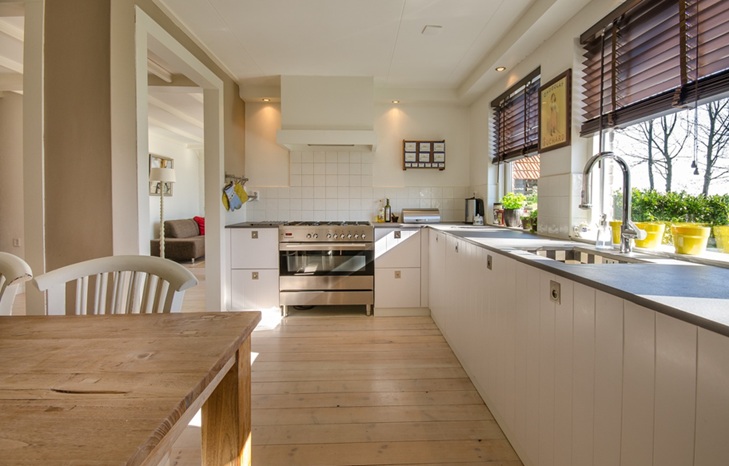
Kitchen and bathroom projects usually deliver the highest functional impact, so plan around workflow and durable finishes. For kitchens, prioritize layout changes (moving islands, relocating sinks, or reconfiguring cooktop and hood) because those determine plumbing, gas, and electrical work and drive cost. Select cabinet style, countertop material, and appliance specifications early to avoid delays.
Bathrooms hinge on waterproofing, ventilation, and fixture placement. Replacing a tub with a walk-in shower or adding a double sink impacts plumbing rough-in and tile scope. Ask contractors for a written list of demo, waterproofing membrane, underlayment, tile, and trim work so you can compare bids line-by-line.
Budget items to watch: labor for structural or plumbing reroutes, custom cabinetry, high-end tile, and upgrades to ventilation or electrical. Include a 10–20% contingency for unforeseen conditions behind walls.
Home Additions and Expansions
Additions change your home’s footprint and require architectural plans, structural engineering, and permits in most jurisdictions. Decide if you’re building a single-room bump-out, a second-story addition, or a garage conversion — each has different foundation, load-bearing, and utility-connection implications.
Site work and foundation work often account for a large portion of cost and schedule. Expect excavation, footings, and possibly soil remediation. Coordinate mechanical systems early: extending HVAC, reworking electrical panels, and routing plumbing will affect both design and budget.
Work with a company that provides stamped plans, handles permit submissions, and schedules inspections. Request a phased timeline showing permit approval, foundation, framing, roofing, rough-ins, and finishes so you can track progress and payments.
Basement and Attic Conversions
Converting a basement or attic gains living space with typically lower exterior impact, but each has its technical hurdles. For basements, prioritize water intrusion control: sump pump, perimeter drains, and sealed walls prevent mold and costly repairs later. Ceiling height and egress windows determine habitability and code compliance.
Attics require insulation, ventilation upgrades, and structural reinforcement if you add bedrooms or bathrooms. Evaluate existing floor joists and roof load to see if sistering beams or adding posts is necessary. Soundproofing and access (staircase location and compliance) influence usability and resale value.
Key checklist items: insulation R-value, egress and fire safety, HVAC extension or mini-split options, moisture mitigation for basements, and clear electrical/load calculations. Ask for itemized bids that separate structural, mechanical, and finish costs so you can prioritize scope.