I remember the first night I truly considered the safety of my home. The quiet hum of the neighborhood and the faint glow of streetlights gave a sense of calm, yet a subtle awareness lingered in my mind. Life moves fast, and the world seems unpredictable, so I realized that ensuring my family’s security required more than just locks on doors. A proactive approach became essential, and that night marked the beginning of my journey into smart home security.
Early in my research, I discovered that home security systems had evolved far beyond simple alarms. Modern systems combined cameras, motion sensors, smart locks, and real-time alerts into a single integrated network. The idea that I could monitor my home from anywhere and receive immediate notifications gave me a sense of empowerment. I began learning about technology that could protect my home proactively, rather than just reactively.
Understanding the Technology
Exploring the various components of a smart system revealed how much thought goes into design and functionality. Cameras now offer night vision, motion detection, and mobile alerts. Sensors can detect when doors or windows are opened unexpectedly. Even lighting can be automated to create the appearance that someone is home. Each device plays a role, but the real power comes from integration. A well-connected system allows each element to work in harmony, providing comprehensive coverage and peace of mind.
I spent days reviewing options and testing applications on my phone. The convenience of controlling cameras, locks, and alarms remotely was transformative. I realized that security is not just about reacting to threats but anticipating them. Understanding this technology gave me the confidence to invest in a system that would protect both property and loved ones.
Planning Your Installation
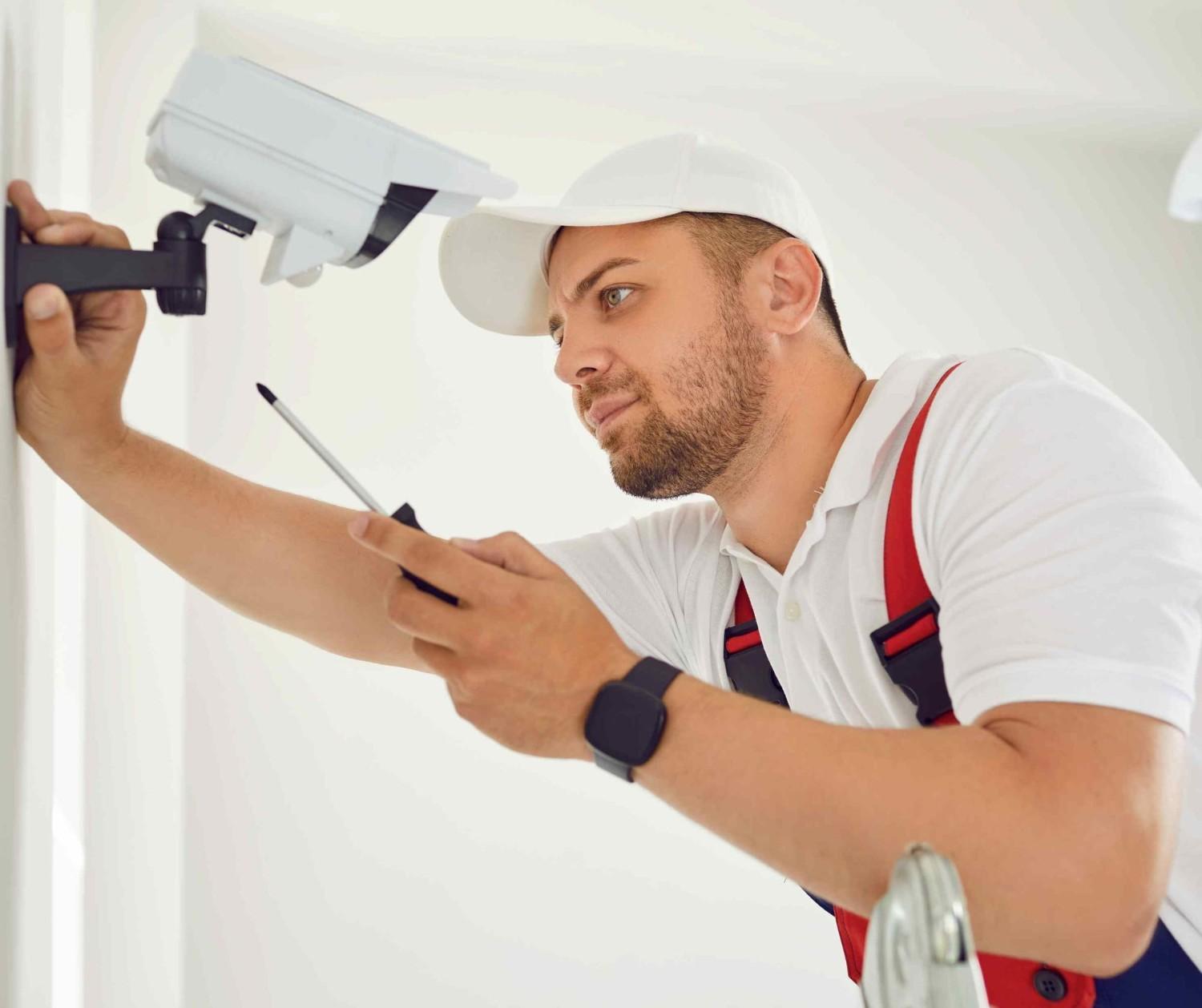
The next step was planning how to position cameras and sensors. Doors, windows, driveways, and common entry points all needed coverage, yet I also wanted to avoid clutter or intrusion. I sketched a rough layout of the home, considering high-traffic areas and potential blind spots. Placement was key because even the best equipment can fail if it is not positioned correctly. Each corner required careful thought to ensure the system functioned effectively while remaining unobtrusive.
This process reminded me of commercial security systems used in offices and stores. Businesses approach surveillance strategically, ensuring coverage, redundancy, and clear lines of sight. Applying the same principles to my home elevated the installation from a simple setup to a thoughtful design. I realized that residential security can benefit greatly from commercial expertise, balancing protection and practicality.
Integration and Configuration
Once the layout was determined, I began connecting devices to the central hub. Each camera and sensor needed testing and calibration to function seamlessly. I experimented with notifications, motion sensitivity, and remote access. The integration process showed me that a smart system is only as strong as its weakest link. Ensuring that every device communicated correctly was essential for a reliable network.
Automation added a new layer of convenience. Lights turned on in response to movement, alarms triggered only when necessary, and mobile notifications kept me informed. The system adapted to daily routines while remaining alert to unusual activity. It was reassuring to see technology respond intelligently to potential threats without requiring constant supervision.
Remote Monitoring and Awareness
One of the most valuable aspects of a smart home system is the ability to monitor the property from anywhere. Whether at work, traveling, or running errands, I could check live feeds on my phone. Notifications for movement, door openings, or unusual activity provided immediate awareness, replacing anxiety with control. The ability to act in real-time transformed how I perceived safety, making the home feel secure even when I was not physically present.
Monitoring also allowed me to oversee deliveries, ensure children returned safely from school, and check on pets. The connectivity bridged the gap between presence and absence, giving peace of mind that traditional locks or alarms cannot provide. Each notification reinforced the reliability of the system and the sense of control it offered.
Learning From Commercial Practices
While refining my system, I observed how commercial security systems operate in offices and retail stores. Features like video recording, multi-zone alerts, and centralized monitoring inspired me to upgrade my home system with professional-grade cameras and enhanced storage solutions. I realized that adopting these practices increased both reliability and confidence in the system’s capabilities.
The lessons from commercial setups taught me the importance of redundancy, proper placement, and regular maintenance. Homes can benefit from professional-grade technology when paired with thoughtful installation, creating a system that is robust and user-friendly. Understanding this connection elevated the security of my home to a level comparable to small businesses.
Emotional and Practical Benefits
Beyond technology, the installation provided emotional reassurance. Knowing that every entry point was monitored and every vulnerable area covered allowed me to relax. Sleep became deeper, and daily routines carried on with less worry. Security transformed from a vague concern into a tangible sense of safety.
The system also reinforced responsibility among household members. Everyone became more aware of safety procedures, whether locking doors or monitoring cameras. The presence of visible cameras encouraged mindfulness without creating stress, strengthening both confidence and family cohesion.
Professional Guidance and Support
Although much of the installation could be managed independently, consulting professionals made a significant difference. When I partnered with United Security Systems, their expertise helped fine-tune camera placement, sensor alignment, and mobile integration. Their guidance ensured that the system operated efficiently, covered blind spots, and adapted to my specific home layout.
Working with professionals added long-term value, making maintenance and upgrades easier. I realized that even advanced technology benefits from human insight, ensuring that protection remains reliable and effective for years to come. Their support transformed a personal project into a comprehensive security solution.
Conclusion
Reflecting on the journey, investing in smart home security systems has been both practical and reassuring. The combination of cameras, sensors, smart alerts, and professional guidance created a network that protects property, family, and peace of mind. By learning from commercial practices and thoughtfully integrating technology, I transformed the home into a space where safety is seamless and proactive.
Security is no longer about reacting to threats but preventing them, anticipating challenges, and ensuring that home and loved ones remain protected at all times. With the support of United Security Systems, I achieved a system that is reliable, efficient, and tailored to modern life. Smart home security is more than technology—it is confidence, control, and comfort every day.