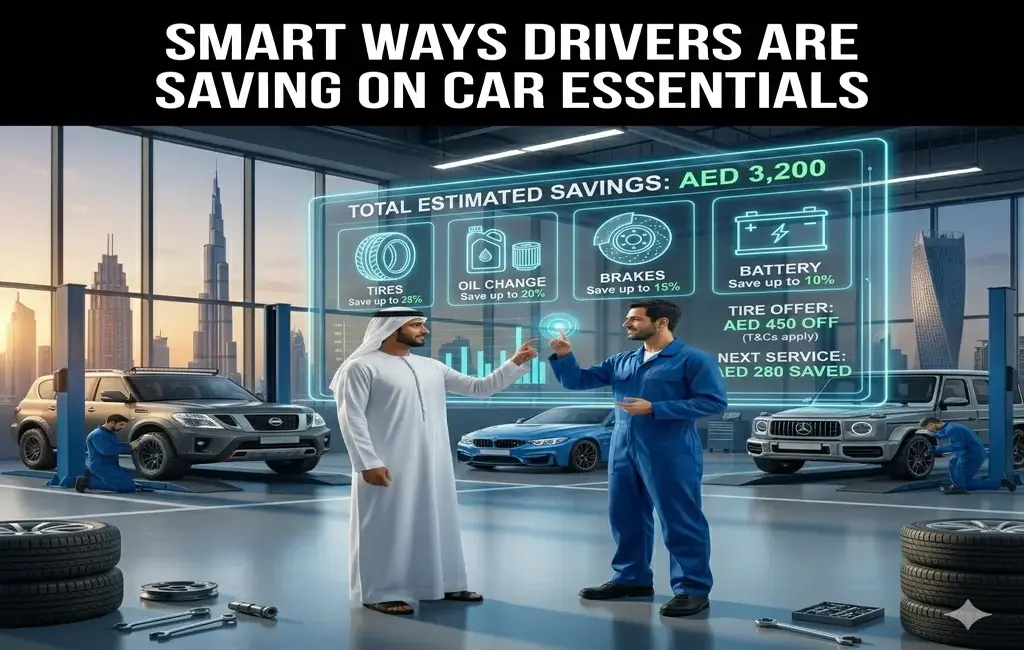
Owning a vehicle in the United Arab Emirates provides immense freedom and convenience for daily life. However, the costs associated with running a car can accumulate quickly. From insurance and registration to fuel and servicing, the financial commitment is significant.
For many residents, finding strategies for saving on car essentials UAE wide is becoming a priority. The goal is to reduce monthly expenses without sacrificing the reliability or safety of the vehicle. Smart ownership is about making informed decisions rather than cutting corners.
By adopting a proactive approach to maintenance and purchasing, drivers can keep their budgets in check. This guide explores practical ways to lower the cost of driving. It focuses on habits and choices that deliver long-term value for every car owner.
Why Car Ownership Costs Are Rising Across the UAE
The cost of living has been a topic of discussion for many residents in recent years. The automotive sector is not immune to these economic shifts. Prices for spare parts, labour, and consumables have seen a steady increase.
Understanding why these costs are rising helps drivers adapt their budgeting strategies. It is no longer enough to simply pay bills as they arrive. A deeper awareness of vehicle expenses is necessary to maintain financial control.
The driving environment also plays a role in these rising costs. High temperatures and heavy traffic accelerate wear and tear on vehicles. This leads to more frequent replacement of parts compared to cooler climates.
Everyday Expenses Drivers Often Overlook
Many drivers focus solely on the monthly car loan payment or the annual insurance premium. However, it is the small, recurring costs that often drain the wallet unnoticed. Items like wiper blades, car wash fees, and fluid top-ups add up over time.
Consumables such as air filters and cabin filters are often ignored until a service. Yet, replacing them is a standard cost of ownership. Being aware of these minor expenses allows for better monthly budgeting.
Even the cost of parking in city centres like Dubai can become a significant line item. Ignoring these micro-expenses can lead to a budget shortfall at the end of the month.
How Minor Neglect Leads to Higher Spending
Delaying a small repair is a common mistake that leads to higher costs. A minor oil leak, if ignored, can lead to engine damage. A worn brake pad can destroy the brake disc if not replaced in time.
This compounding effect turns a cheap fix into an expensive repair bill. Neglect is perhaps the biggest enemy of affordable car ownership. It creates a cycle of emergency repairs that are always more costly than planned maintenance.
Furthermore, a neglected car operates less efficiently. It burns more fuel and wears out tyres faster. Procrastination is a luxury that budget-conscious drivers cannot afford.
Smart Maintenance Habits That Reduce Monthly Expenses
Maintenance is often viewed as a grudge purchase, but it is actually a savings mechanism. A well-maintained car is cheaper to run than a neglected one. Shifting from reactive repairs to preventive care is the secret to lowering costs.
Building a routine for car care ensures that issues are caught early. It allows you to plan for expenses rather than being surprised by them. This control is essential for managing household finances.
Simple habits can extend the lifespan of expensive components. It requires consistency and a little bit of time. The return on this investment is a reliable vehicle that costs less to own.
Routine Checks That Prevent Costly Repairs
You do not need to be a mechanic to perform basic health checks on your car. Checking the engine oil level and colour monthly can save your engine. Ensuring coolant levels are correct prevents overheating in the summer.
Visual inspections of hoses and belts can reveal cracks before they snap. A quick look at the battery terminals can prevent a non-start situation. These checks take minutes but save thousands of dirhams.
Listen to your car while driving. New noises or vibrations are early warning signs. Investigating them immediately prevents collateral damage to other parts.
Timing Maintenance to Avoid Emergency Costs
Scheduled servicing is cheaper than emergency breakdown repairs. Following the manufacturer’s service intervals keeps the warranty valid and the car healthy. It allows you to shop around for the best service price.
Emergency repairs often leave you at the mercy of the nearest garage. You lose the ability to negotiate or compare prices. Planning your maintenance puts the power back in your hands.
It also avoids the secondary costs of a breakdown, such as towing fees. Keeping the car on the road is the most cost-effective strategy.
Making Better Buying Decisions for Car Essentials
When it comes to buying parts or accessories, the cheapest option is rarely the best value. Smart drivers look for quality products that offer durability. This reduces the frequency of replacement.
Researching brands and reading reviews helps in making informed choices. It prevents you from buying inferior products that fail quickly. In the UAE market, durability against heat is a key quality indicator.
Understanding the difference between price and value is crucial. A slightly more expensive battery that lasts three years is cheaper than a budget one that dies in a year.
Comparing Products Based on Long Term Value
Consider the lifespan of the product when looking at the price tag. High-quality synthetic oil costs more but protects the engine better and lasts longer. Premium brake pads may cost more but save wear on the rotors.
This long-term view transforms how you spend money on your car. It encourages investment in quality that pays off over time. It aligns your spending with the goal of vehicle longevity.
For parts like batteries and wipers, established brands usually offer better warranties. This protection adds to the overall value of the purchase.
Finding Savings Without Compromising Safety
There are smart ways to reduce costs without buying low-quality items. Timing your purchases to coincide with market promotions is a proven strategy. Retailers often have sales during seasonal transitions or festivals.
For example, when replacing worn rubber, many drivers look for tyre offers to secure premium brands at a reduced rate, ensuring they get safety and performance without paying full retail price. This approach allows you to maintain high safety standards while sticking to a budget.
Buying bundles or service packages can also lower the unit cost of items. Many workshops offer discounts if you combine an oil change with an inspection. Looking for these opportunities is part of smart ownership.
Fuel Efficiency Plays a Bigger Role Than Most Drivers Realise
Fuel is a recurring cost that hits the wallet every week. Improving fuel efficiency is the most direct way to save money. While you cannot control petrol prices, you can control consumption.
Vehicle condition and driving habits are the two main factors in fuel economy. Addressing these areas yields immediate financial results. It is an easy win for any driver.
How Vehicle Condition Affects Fuel Consumption
A poorly tuned engine burns more fuel. Spark plugs, air filters, and oxygen sensors all play a role in combustion efficiency. Replacing a clogged air filter can improve mileage significantly.
Tyres are also critical for efficiency. Under-inflated tyres increase rolling resistance, forcing the engine to work harder. Keeping tyres at the correct pressure is a free way to save fuel.
Wheel alignment affects drag. If the wheels are fighting each other, fuel is wasted. Regular alignment checks keep the car rolling smoothly and efficiently.
Driving Habits That Improve Mileage in UAE Conditions
Aggressive driving is expensive. Rapid acceleration and hard braking waste energy. Adopting a smooth driving style reduces fuel consumption and wear on the car.
On highways like Sheikh Zayed Road, use cruise control to maintain a steady speed. Speeding increases wind resistance, which drains the fuel tank. Staying at the speed limit is safer and cheaper.
Reduce the load in your car by removing unnecessary items from the boot. Every kilogram of weight requires fuel to move. Travel light to maximize your mileage.
Adapting Car Care to UAE Driving Conditions
The environment in the UAE is unique and demanding. The combination of heat, dust, and humidity requires specific care. Standard maintenance schedules may not be enough for vehicles in this region.
Adapting your care routine to the local climate prevents premature failure. It ensures your car can handle the summer extremes. This localization of maintenance is a hallmark of an experienced driver.
How Heat Accelerates Wear on Car Components
Heat destroys rubber and plastic. Wiper blades, door seals, and engine hoses dry out and crack. Inspecting these items regularly prevents leaks and wind noise.
Batteries suffer in the heat as fluid evaporates. Testing battery health before summer prevents sudden failure. Park in the shade whenever possible to reduce thermal stress.
Fluids also degrade faster at high temperatures. Coolant and brake fluid need to be flushed more frequently to maintain their protective properties.
Adjusting Maintenance for City and Highway Driving
City driving in Sharjah involves stop-and-go traffic. This is hard on brakes and transmissions. Drivers in urban areas may need more frequent fluid changes.
Highway driving in Dubai puts stress on tyres and cooling systems. Sustained high speeds generate heat. Ensure your tyres are rated for the speed and temperature.
Matching your maintenance to your driving pattern ensures reliability. It addresses the specific wear points of your daily commute.
Conclusion
Reducing the cost of running a car is not about one single action. It is the result of many small, smart choices made over time. Saving on car essentials UAE wide is achievable for every driver who pays attention.
By prioritizing preventive maintenance, you avoid the high cost of emergency repairs. By driving efficiently, you lower your fuel bills. By buying smartly, you get quality for less.
Take control of your vehicle expenses today. Start with a simple check of your tyre pressures and fluids. These small habits build a foundation for affordable and reliable car ownership.
FAQ Section
Can regular maintenance really save money?
Yes, it prevents expensive repairs later.
Are budget car care choices safe?
Yes, when safety and quality are prioritised.
Do driving habits affect car expenses?
Yes, smooth driving reduces wear and fuel use.
Is preventive care better than reactive repairs?
Yes, it costs significantly less long term.