Introduction
Over the last few years, the plumbing industry has experienced a radical shift of digitalizing, sustainability requirements, and consumer need of intelligent and more efficient infrastructure. This change can be felt more in Dubai, United Arab Emirates, a city that combines high expectations and ambitious plans of smart cities with rapid urban development. Since residential and commercial developments are being integrated with the latest innovations, sensor-powered, connected, and data-driven plumbing solutions are becoming the norm, as opposed to fading luxuries.
1. IoT-Based Leak Detection and Water Monitoring
Internet of Things (IoT) technology is one of the most influential tendencies in smart plumbing. Flow rates, pressure, temperature, and even acoustic signatures are all monitored in real-time by sensors installed in water systems. The machines are able to identify micro-leaks or unusual usage patterns way before a manifested issue arises. As soon as a leak is detected, the owners get a timely notification via mobile apps, and automated shut-off valves have the potential to stop the flood and the devastation of property.
Such early detection tools are of great use in the climate of Dubai, where freshwater resources are scarce, hence water conservation is a priority. Plumbing experts and services are also installing a new category of pressure and flow monitoring IoT-based systems that inform property managers or homeowners through cloud-based dashboards.
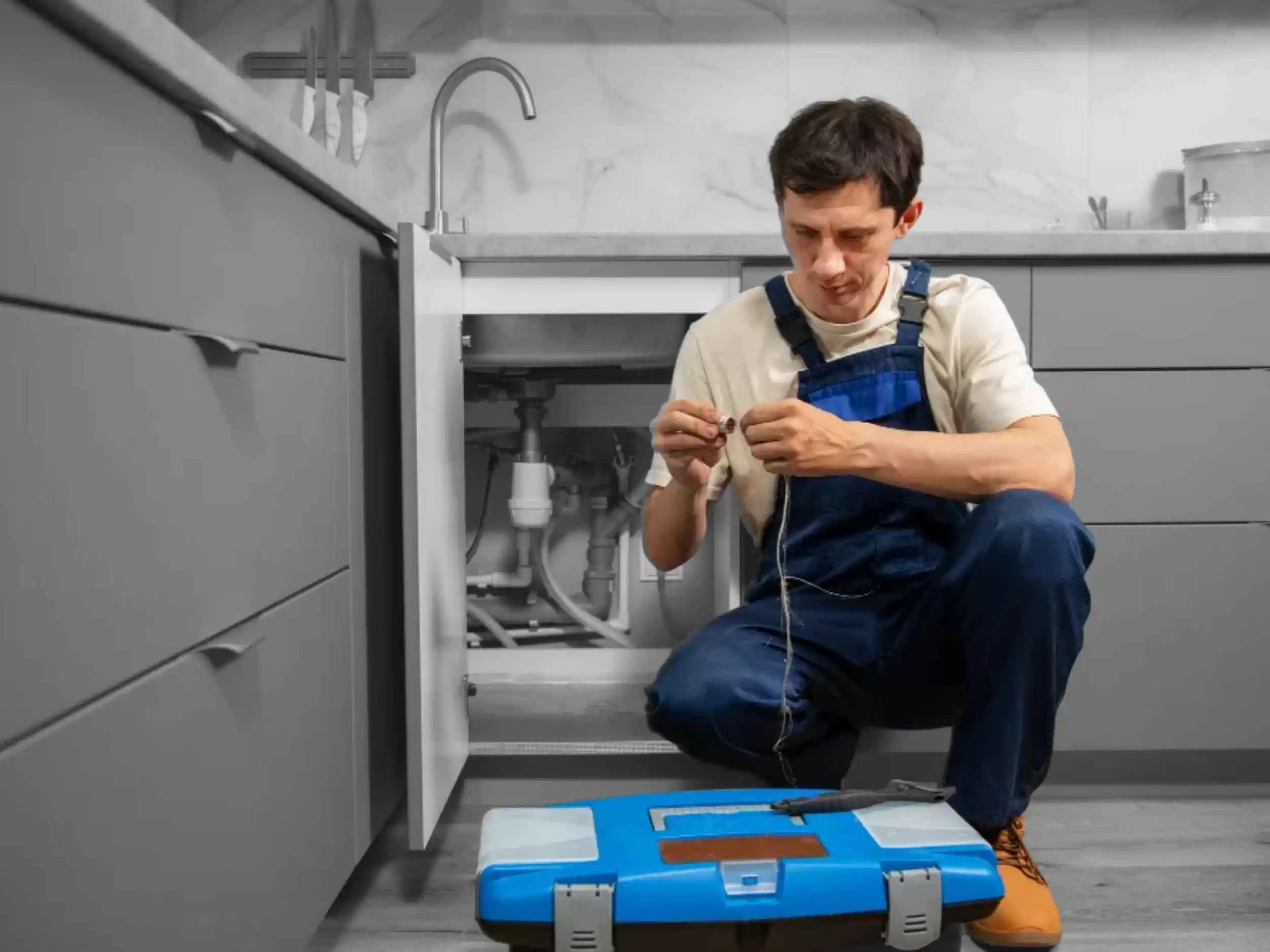
Plumbing services company in Dubai such as residential and commercial plumbing firms, introduced leak detection packages that utilise acoustic, thermal, and pressure sensors to detect the presence of leaks without digging up the ground or causing any form of destruction.
-
Smart Faucets and Touchless Fixtures
The commercial and the high-end residential industries in Dubai are embracing the use of smart fixtures, which enhance hygiene and water conservation. Touchless faucets, automatic flushing, and sensor-operated showers minimize human interaction with surfaces – a consideration in working and hospitality spaces. There is also low-flow technology that is employed in these fixtures so as to reduce the total consumption of water without undermining user comfort.
The market of the smart faucet in the area is growing at high rates, as the demand for high-quality fittings in the house with the integrated features of digital management, connectivity, and water is increasing.
-
Live Water Usage Analytics and Control
The current smart plumbing solutions go beyond leak detection to come up with usage analytics and remote control of outside functions. Modern systems offer detailed data on the consumption of water in terms of time, location, and manner in a property. This will be particularly useful in big buildings, hotels, and shopping centers in Dubai, where the costs of operation should be optimized.
With built-in mobile applications and cloud solutions, facility managers will be able to track the water usage trends, get notifications on common sense, and change the system settings remotely. This is a proactive maintenance and operational efficiency approach utilizing the data to mitigate waste and utility costs.
-
Artificial Intelligence-based Predictive Maintenance
Smart plumbing technology is becoming more and more closely connected to artificial intelligence (AI). Predictive maintenance algorithms consider both past and current data to predict the impending system failures. As an illustration, sensors connected to AI solutions can observe abnormal changes in pressure or a vibration pattern that commonly announces a burst of the pipes or a malfunction of the devices.
Predictive systems assist service providers in Dubai and the rest of the world in having preemptive maintenance scheduling systems, as opposed to responding to disasters. The trend will increase the life of the plumbing system, minimize downtime, and enhance customer satisfaction.
-
Sustainable Water Reuse and Recycling of Greywater
As sustainability is now considered a key aspect in infrastructure planning in Dubai, water reuse, including greywater recycling, is becoming popular. Such systems collect and treat water used in showers, sinks, and washing machines, and use it non-portably, such as irrigating and flushing the toilet.
Recycling of grey water not only saves fresh water but also helps in the overall environmental objectives in the city. These are gradually being incorporated in luxury villas, multi-family residential block and even in commercial campuses around the emirate.
-
BMW integration with Building Management Systems (BMS)
Smart plumbing is no longer a standalone operation. It is becoming part of the overall Building Management Systems (BMS) that manages HVAC, electrical, and safety systems. With this integration, plumbing sensor data can be correlated with occupancy, weather, and energy use to optimize the resources holistically. As an illustration, the abnormal use of water may raise some alerts not only to the plumbing subsystem but also to the HVAC or power management teams, so that they can coordinate their responses and make operational changes. Such systems-level integration increases building health in general, minimizes waste, and adds to Dubai-wide smart city systems adopted in key developments within the city.
-
Intelligent Valves and Automation Flow Control
Smart valves are being used instead of manual counterparts in the commercial and institutional environment. These valves regulate flow depending on the existing conditions, react to requests on central platforms, and are capable of isolating parts of plumbing on demand.
The Dubai facilities, more specifically, malls, hotels, and big campuses, are starting to equip themselves with automated valve solutions in order to be smarter in how they control the flow of water and to make sure they are adhering to the safety standards. This feature is particularly applicable to the multi-story buildings where a steady pressure and ability to control the segments are valuable to prevent any disruption.
-
Value-Added Services and Customer Experience
Designed plumbing solutions are not mere technical add-ons; they lead to the general customer experience. Water protection systems, water heating optimization, or a use summary make residential developments more satisfying to tenants. These technologies are applied in hotels and office complexes to make guests feel more comfortable and ensure their sustainable status.
Maintenance contracts, analytics dashboards, and sustainability certifications are also now offered by local service providers as comprehensive services. This values property owners further, and it is in line with the trends in regulations that aim at conserving energy and water.
Conclusion
Dubai is currently working to establish itself as a smart city and above all a smart infrastructure, so smart plumbing solutions become one of the primary factors that developers and service providers differentiate themselves with. No longer a business of pipes and fixtures, the plumbing industry now incorporates IoT-enabled leak detection, AI-enabled predictive maintenance, and many other systems that are interconnected to maximize performance, minimize waste, and improve user experience.
The companies in the emirate are reacting and providing modern technologies to meet the global trends and adjust to the local concerns like water conservation, resilience, and digitalization. With these trends seemingly constantly changing and progressing, plumbing, as a seemingly invisible aspect of building infrastructure, will be more intelligent, efficient, and indispensable than ever.