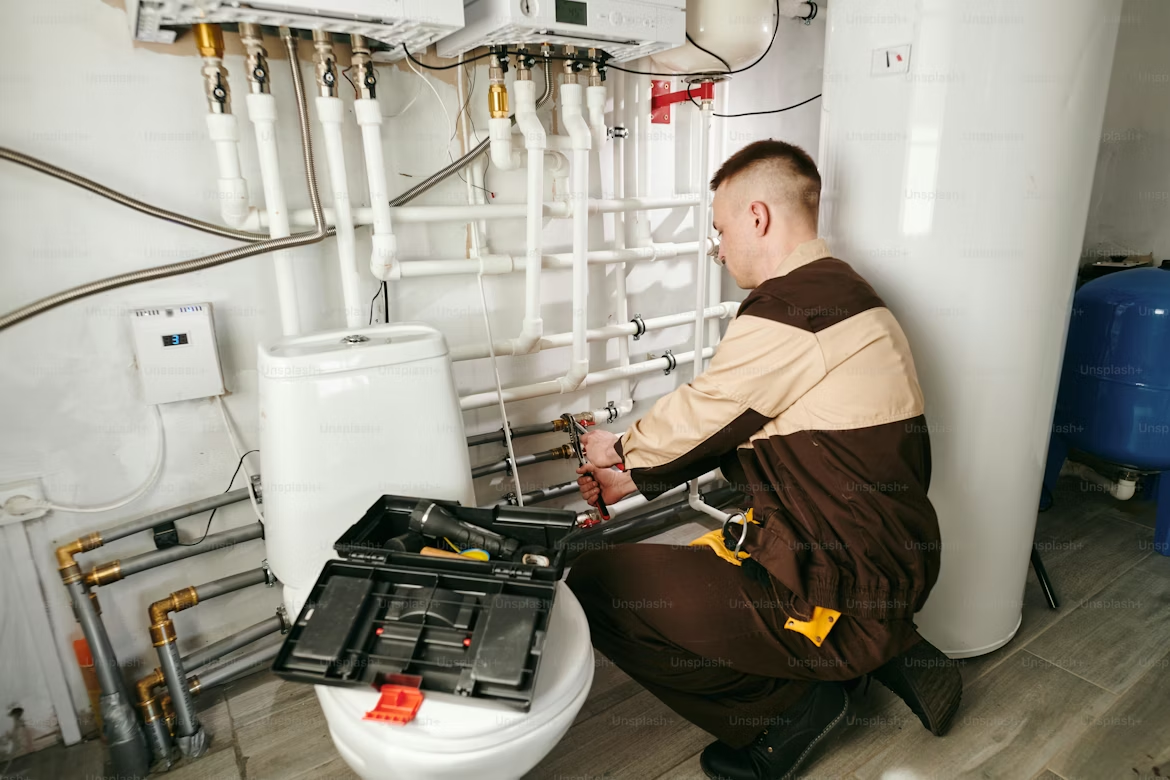
Most people don’t spend much time thinking about their boiler. As long as the heating works and hot water is running, it is just one of those things in the background of everyday life. But the moment. it becomes the most important appliance in the house.
At first, most homeowners go straight for a repair. That is usually the logical step. Fix the problem. Get the heating back, and move on. But sometimes the problems don’t stop there. That’s when people begin looking into options like boiler replacement stoke on trent, especially if the system has already needed several repairs in a short period of time.
When Small Repairs Turn Into a Pattern
Every heating system develops small issues over time. A pressure drop here, a faulty valve there -it happens. A single repair once in a while isn’t really a big deal.
The problem begins when these little issues start appearing more often. Maybe the boiler stops working again just a few weeks after being repaired. Or perhaps another part suddenly fails not long after the previous fix.
When this pattern starts forming, it’s often a sign the boiler itself is reaching the later stage of its lifespan. Fixing one component doesn’t necessarily stop another part from wearing out soon after.
The Age of the System Matters
Most boilers are designed to last somewhere around 10 to 15 years. Some last longer with good maintenance, but eventually age catches up with any system.
Old age boilers frequently become less effective over time as well. They may still produce heat, but they often need more energy to do the same work they once did easily. Homeowners sometimes notice their heating bills gradually increasing without realizing the aging boiler could be contributing to it.
When a system reaches that point, many people begin thinking more seriously about replacing it rather than continuing with short-term fixes.
Repair Costs Can Slowly High Up
One repair rarely feels expensive on its own. Even two or three over the course of a year might seem manageable. But when repairs keep returning, the total cost can start adding up faster than expected.
A lot of homeowners eventually realize they’ve spent a considerable amount just trying to keep an old boiler running. At that stage, putting that money toward a new system can sometimes make more sense.
Newer boilers are generally built to run more efficiently and usually need fewer repairs in the early years.
Reliability Becomes More Important in Winter
Heating problems always seem to happen at the worst possible time. It’s rarely during a warm day in spring. More often it happens right in the middle of winter when the house needs heat the most.
That’s one of the main reasons people start researching boiler replacement stoke on trent services after dealing with repeated breakdowns. The inconvenience of losing heating or hot water during cold months can quickly become frustrating.
A newer system offers something many homeowners value even more than efficiency — reliability.
Difficulty Finding Replacement Parts
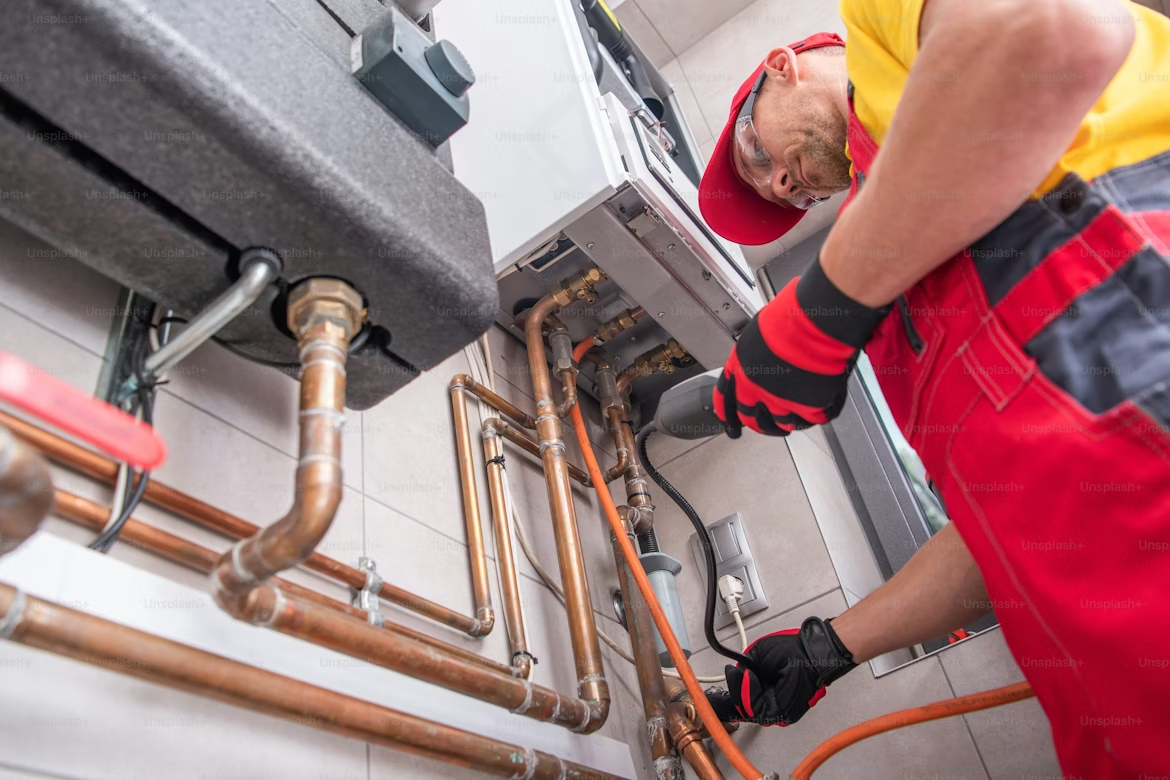
Another issue with older boilers is that replacement parts can become harder to find over time. Manufacturers eventually stop producing components for older models.
When that happens, repairs may take longer and sometimes cost more because engineers have to search for compatible parts. In some cases, certain parts are simply no longer available.
Once a boiler reaches that stage, continuing repairs often becomes less practical.
Thinking About the Long Term
Replacing it with new boiler can feel like a big decision. It is not something most homeowners plan to do frequently. However when a system is constantly breaking down or becoming expensive to maintain, upgrading can often bring long-term benefits and save money.
Modern boilers are designed to run more efficiently, which can help reduce energy usage. They also tend to operate more quietly and consistently compared to older systems that have already seen years of use.
Perhaps more importantly, a new boiler provides peace of mind. Instead of worrying about the next breakdown, homeowners can simply rely on their heating system working when they need it.
Final Thoughts
Not every boiler problem means replacement is necessary. Many systems continue running well after simple repairs. But when faults keep returning, repair costs start growing up, and reliability becomes questionable, it should be time to choose another option.
Paying attention to these signs can help homeowners make a more informed decision and avoid the stress of repeated heating failures in the future. In my opinion buying the new one and saying bye to the old one who is getting trouble day by day is a good decision. People should also consider that.