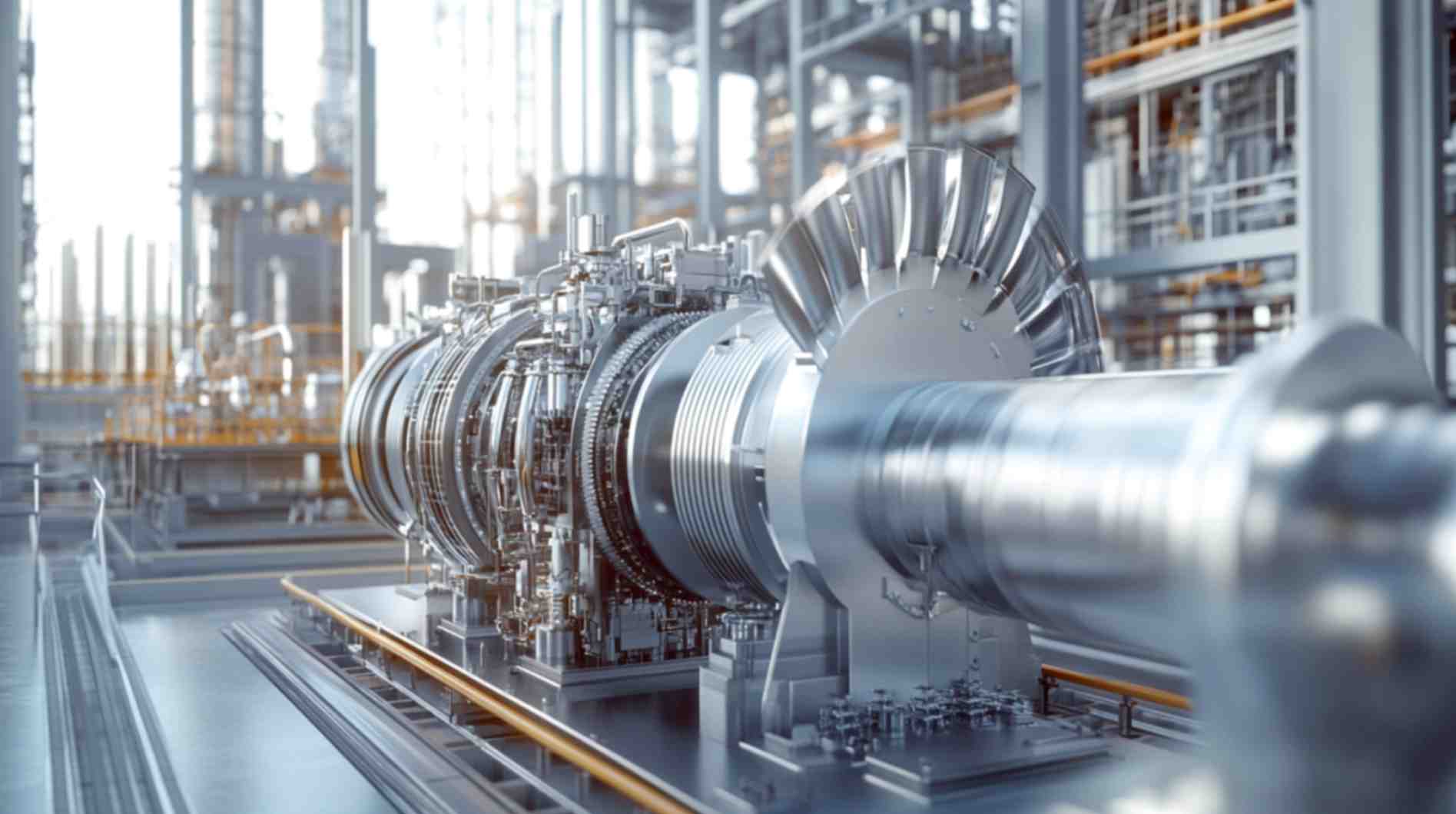
Gas turbines play a critical role in power generation, oil and gas operations, aviation support systems, and many industrial facilities. These machines are designed to deliver high performance, efficiency, and reliability under demanding conditions. However, like any complex mechanical system, turbines experience wear, thermal stress, and gradual performance decline over time. Regular maintenance and professional servicing ensure that turbines continue operating safely and efficiently. This is where gas turbine repair and overhaul becomes essential for maintaining operational stability and long term performance.
Gas turbines operate under extreme temperatures, pressure levels, and rotational speeds. Because of this intense working environment, internal components such as blades, combustion chambers, and bearings gradually degrade. Without timely repair and overhaul procedures, the turbine’s efficiency decreases and the risk of sudden failure increases. Proper servicing protects equipment investment while ensuring reliable energy production.
Understanding Gas Turbine Maintenance
Gas turbine maintenance is a structured process that involves inspection, repair, replacement of worn parts, and performance optimization. Maintenance programs are typically planned based on operational hours, fuel quality, load conditions, and environmental factors.
Regular servicing helps detect issues early, preventing small problems from turning into major equipment failures. A well maintained turbine delivers consistent output, improved fuel efficiency, and reduced emissions.
Types of Turbine Maintenance
Gas turbine maintenance generally includes several levels of servicing depending on the machine’s operating hours and condition.
Routine Inspection
Routine inspections involve checking external components, monitoring performance data, and examining lubrication systems. These checks help technicians detect unusual vibrations, temperature fluctuations, or pressure changes.
Minor Maintenance
Minor maintenance tasks may include cleaning filters, replacing seals, checking fuel nozzles, and inspecting combustion systems. These tasks help maintain stable operation between major service intervals.
Major Overhaul
A major overhaul involves disassembling the turbine to inspect internal components such as turbine blades, rotors, and combustion chambers. Damaged parts are repaired or replaced to restore the machine to its optimal condition.
Why Gas Turbines Require Repair and Overhaul
Gas turbines operate continuously in many industrial environments. Over time, exposure to heat, pressure, and mechanical stress causes gradual wear. Repair and overhaul processes are necessary to restore efficiency, prevent breakdowns, and ensure safe operation.
Component Wear and Tear
Turbine blades and vanes operate in extremely high temperature environments. Continuous exposure to hot gases leads to erosion, corrosion, and thermal fatigue. If these parts are not repaired or replaced, turbine performance can deteriorate significantly.
Overhaul procedures allow technicians to inspect blades closely and repair any cracks, deformation, or surface damage. This ensures the turbine continues to operate efficiently.
Efficiency Restoration
A turbine that has been running for thousands of hours may experience reduced efficiency due to internal deposits, component wear, and airflow disruptions. Overhaul procedures restore proper airflow, combustion efficiency, and mechanical balance.
Improved efficiency directly translates to reduced fuel consumption and lower operating costs for facilities.
Preventing Unexpected Failures
Unexpected turbine failures can lead to costly downtime and operational disruptions. Repair and overhaul activities help identify potential issues before they lead to catastrophic damage.
Preventive servicing ensures critical components remain within safe operating limits, minimizing the risk of sudden shutdowns.
Extending Equipment Lifespan
Gas turbines represent a significant investment for industrial facilities. Regular repair and overhaul extend the operational life of these machines, allowing organizations to maximize their return on investment.
Replacing worn components, recalibrating systems, and restoring internal structures can add many years to a turbine’s service life.
Key Components Serviced During Overhaul
During an overhaul process, technicians inspect and service several important components within the turbine system. Each component plays a critical role in the turbine’s overall performance.
Turbine Blades
Turbine blades are exposed to extreme heat and high velocity gases. Over time, blades may experience erosion, cracking, or deformation. Repair processes may include blade coating restoration, polishing, or replacement.
Combustion Chamber
The combustion chamber is responsible for generating the hot gases that drive turbine rotation. During overhaul, technicians inspect combustion liners, fuel injectors, and flame tubes for damage or deposits.
Cleaning and repairing these parts ensures efficient combustion and stable flame performance.
Rotor Assembly
The rotor assembly rotates at very high speeds, transferring energy from expanding gases to the generator or compressor. Overhaul includes rotor balancing, shaft inspection, and alignment checks to prevent vibration issues.
Bearings and Seals
Bearings and seals help maintain smooth turbine rotation and proper lubrication. Over time, these parts may degrade due to friction and thermal stress. Replacement of bearings and seals ensures reliable operation and prevents oil leakage.
Benefits of Regular Repair and Overhaul
Implementing a scheduled repair and overhaul program offers several operational and financial advantages.
Improved Reliability
Reliable turbine operation is essential for industries that depend on continuous power generation. Routine servicing reduces the likelihood of sudden breakdowns and ensures stable output.
Reduced Downtime
Planned maintenance allows operators to schedule service periods at convenient times. This prevents unexpected shutdowns that could disrupt production or power supply.
Lower Operating Costs
Well maintained turbines operate more efficiently and consume less fuel. Reduced fuel consumption and fewer emergency repairs result in significant long term cost savings.
Environmental Compliance
Efficient turbines produce fewer emissions. Overhaul procedures help restore proper combustion and airflow, which contributes to cleaner operation and compliance with environmental regulations.
Safety Enhancement
Gas turbines operate at high temperatures and pressures. Faulty components can pose serious safety risks. Repair and overhaul procedures ensure that all parts meet safety standards and operate correctly.
The Overhaul Process
A typical overhaul process involves several stages designed to thoroughly assess the turbine’s condition and restore performance.
Initial Inspection
The process begins with a comprehensive inspection. Engineers evaluate operational data, vibration patterns, temperature levels, and component condition.
Disassembly
After inspection, technicians carefully disassemble the turbine. Each component is cataloged and examined for wear, corrosion, and structural damage.
Cleaning and Testing
Components are cleaned to remove deposits and contaminants. Advanced testing techniques such as non destructive testing may be used to detect hidden cracks or structural weaknesses.
Repair and Replacement
Damaged parts are repaired using specialized techniques or replaced with new components. Surface coatings may also be restored to protect parts from extreme temperatures.
Reassembly and Calibration
Once repairs are complete, the turbine is reassembled and calibrated. Engineers ensure that all components are properly aligned and balanced.
Performance Testing
Before returning the turbine to service, performance testing verifies that the system operates within expected efficiency and safety parameters.
Importance of Skilled Technicians
Gas turbine servicing requires highly trained technicians and advanced equipment. The complexity of turbine systems means that even small errors during maintenance can lead to serious operational problems.
Experienced technicians understand turbine design, materials, and performance characteristics. Their expertise ensures that repairs are performed correctly and that the turbine is restored to optimal working condition.
Proper training and technical knowledge also allow specialists to identify potential issues that may not be immediately visible during routine inspections.
Planning an Effective Maintenance Schedule
A well planned maintenance strategy is essential for maximizing turbine performance. Maintenance schedules are usually based on operating hours, fuel type, environmental conditions, and manufacturer recommendations.
Facilities that operate turbines continuously may require more frequent inspections and servicing. Monitoring systems that track vibration, temperature, and efficiency can also help determine when maintenance is required.
By following a structured maintenance plan, organizations can avoid costly emergency repairs and maintain consistent operational performance.
Final Thought
Gas turbines are powerful machines that support critical industries across the world. Their ability to generate energy efficiently makes them invaluable assets for many operations. However, the demanding conditions in which they operate make regular maintenance essential. Repairing worn components, restoring efficiency, and preventing unexpected failures all contribute to safer and more reliable turbine operation. Investing in proper servicing ensures long term equipment performance and protects operational stability. For organizations that rely heavily on turbine systems, consistent maintenance practices and timely gas turbine overhaul play a vital role in maintaining efficiency, safety, and productivity for years to come.