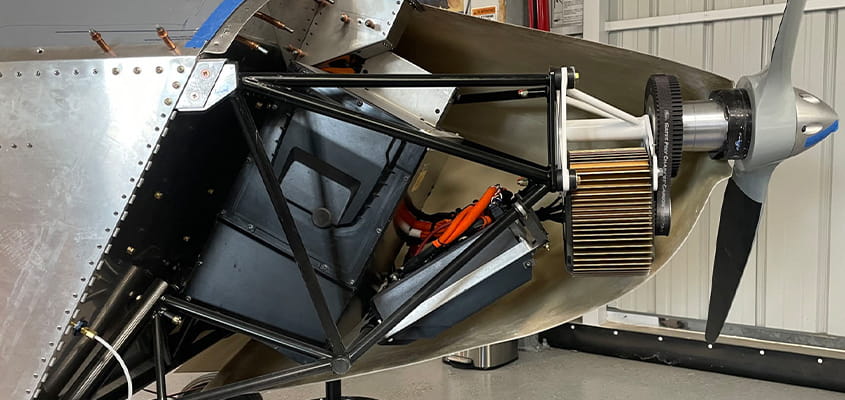
Aerospace engineering is one of the most demanding sectors in modern technology. Aircraft and spacecraft operate under extreme pressure changes, high speeds, temperature variations, and mechanical stress. Because of this, every component — from structural frames to fasteners — must be manufactured with precision and high-performance materials.
In this blog, we’ll explore critical aerospace components such as aircraft structural systems, engine mounts, landing gear assemblies, and aerospace fasteners — along with the importance of materials like Sae 4130 Round bar and other advanced alloys used in the industry.
✈ Aircraft Structural Systems
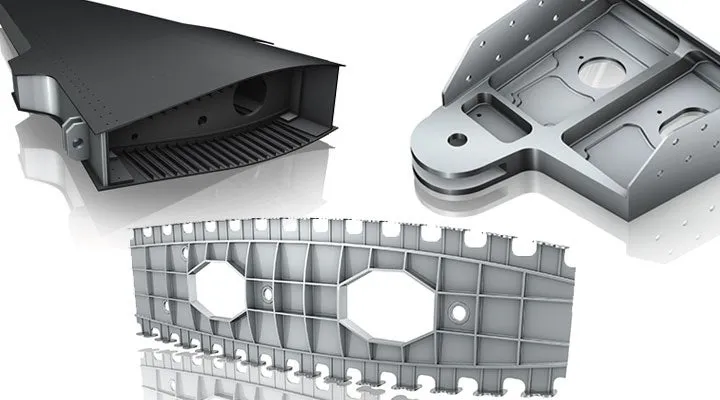
Aircraft structural systems form the main load-bearing framework of an airplane. These include:
-
Fuselage frames
-
Wing spars
-
Bulkheads
-
Structural reinforcements
-
Tail assemblies
Materials Used in Structural Components
To maintain a balance between strength and weight, aerospace engineers use:
-
Aluminum Alloys (7075, 2024) – Excellent strength-to-weight ratio
-
Titanium Alloys – High corrosion and temperature resistance
-
Carbon Fiber Composites – Lightweight and rigid
-
Chromium-Molybdenum Alloy Steels
For specific reinforcement sections and fabricated structural supports, Sae 4130 Round bar is often used due to its exceptional strength, fatigue resistance, and weldability. Its ability to withstand cyclic loads makes it valuable in aerospace-grade structural fabrication.
🔧 Engine Mount Assemblies

Engine mounts secure the engine to the airframe and are responsible for:
-
Supporting engine weight
-
Absorbing vibration
-
Managing thrust loads
-
Withstanding high heat exposure
Material Considerations
Engine mounts experience extreme stress and must offer:
-
High tensile strength
-
Fatigue resistance
-
Thermal stability
Sae 4130 Round bar is frequently utilized in manufacturing brackets and structural engine supports because it provides high durability while remaining relatively lightweight compared to traditional carbon steels.
Other materials used include:
-
Titanium alloys for high-heat zones
-
Stainless steel alloys for corrosion resistance
-
Heat-treated alloy steels for heavy-load components
🛬 Landing Gear Engineering
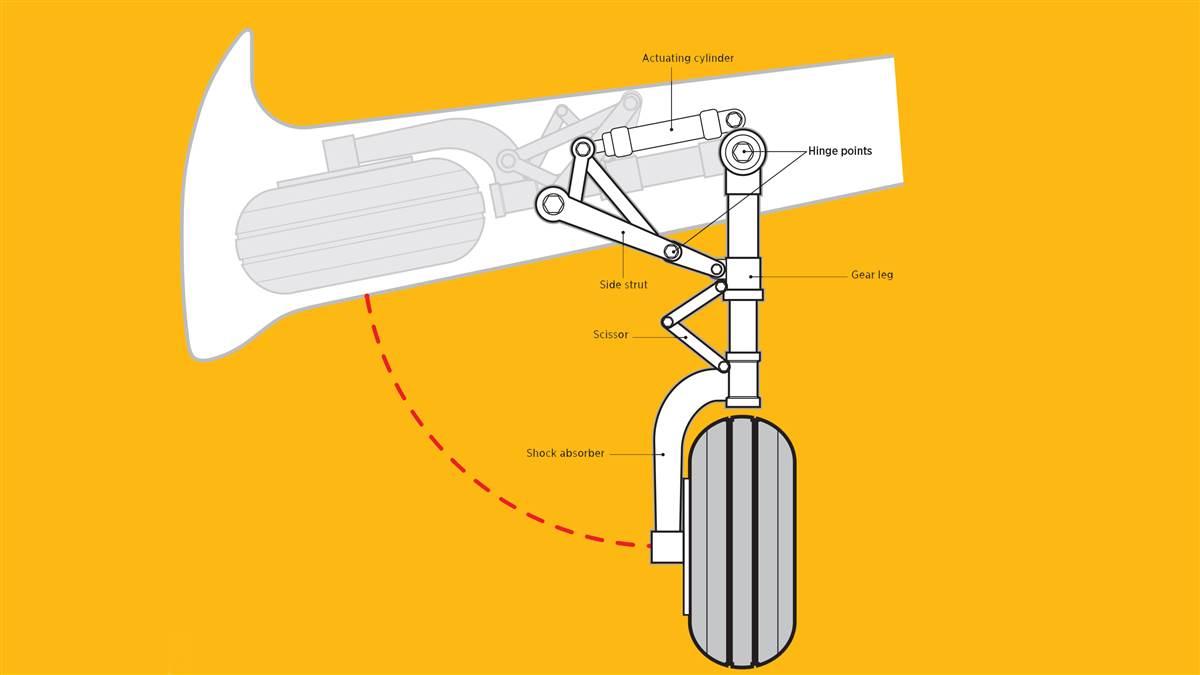
Landing gear systems endure some of the most extreme forces during aircraft operation. Every landing subjects the gear to intense impact and pressure.
Major Landing Gear Components
-
Shock absorbers (struts)
-
Axles
-
Retraction arms
-
Brake assemblies
-
Support housings
Materials for High-Impact Strength
Landing gear components are typically made using:
-
High-strength forged steels
-
Heat-treated chromium-molybdenum alloys
-
Titanium alloys for weight reduction
Sae 4130 Round bar is commonly used in producing landing gear supports and structural arms due to its excellent impact resistance and ability to maintain strength under repeated stress cycles.
🔩 Aerospace Fasteners & Connectors
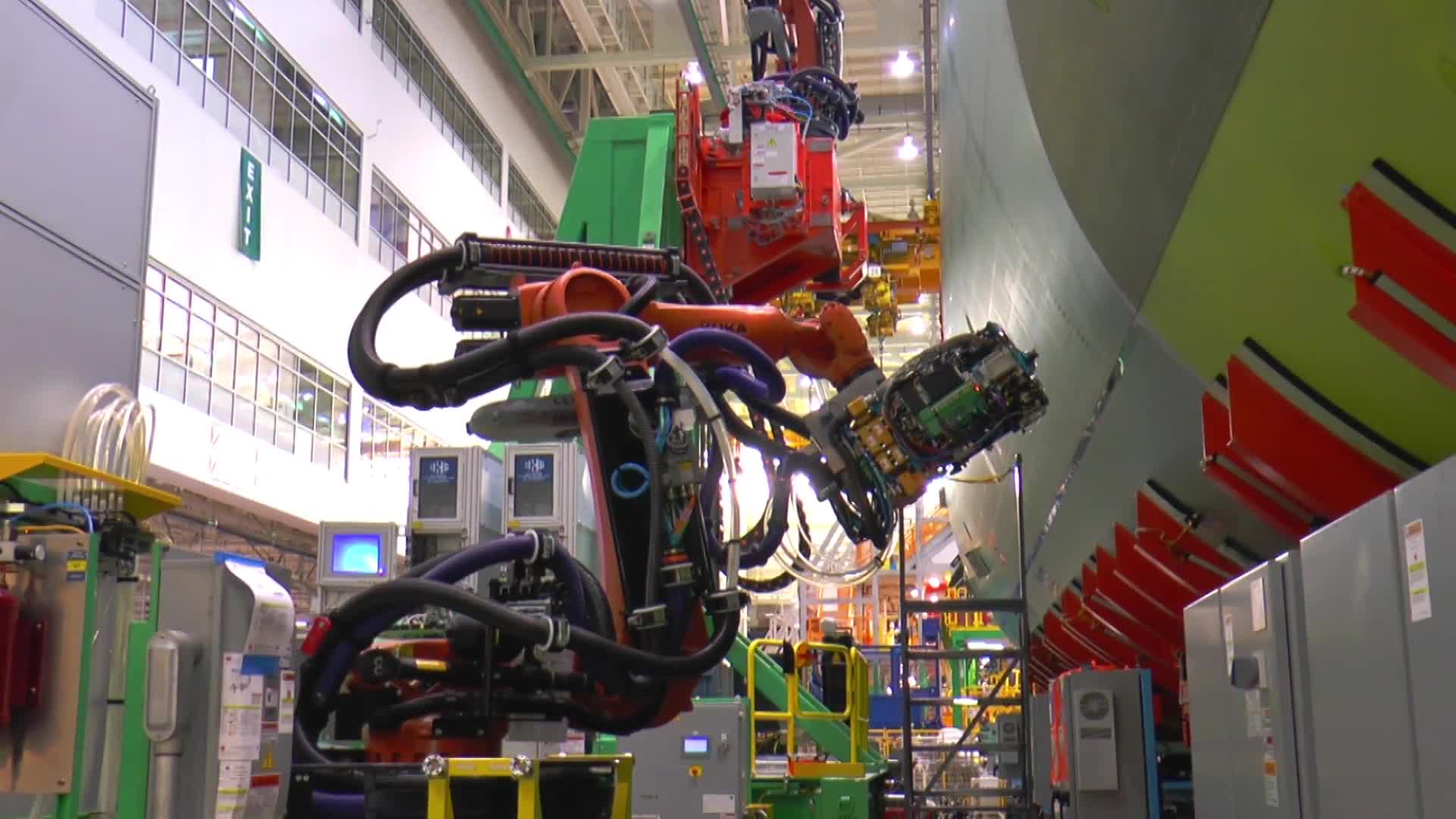
Though small in size, aerospace fasteners are critical in holding structural assemblies together.
Types of Aerospace Fasteners
-
Structural bolts
-
Rivets
-
Locking nuts
-
Precision screws
-
High-strength studs
Materials Used
Fasteners are manufactured from:
-
Titanium alloys
-
Stainless steel grades (304, 316)
-
Alloy steels similar to Sae 4130 Round bar
These materials ensure high shear strength, vibration resistance, and long-term reliability.
Advanced Aerospace Manufacturing Techniques
Aerospace components must meet strict regulatory standards. Common manufacturing processes include:
1. CNC Precision Machining
Ensures tight tolerances and dimensional accuracy.
2. Forging
Used for high-strength components like landing gear parts.
3. Heat Treatment
Enhances hardness, tensile strength, and fatigue resistance.
4. Non-Destructive Testing (NDT)
Includes ultrasonic and radiographic inspection for defect detection.
5. Surface Finishing & Coatings
Protects components against corrosion and wear.
Why High-Performance Materials Matter in Aerospace
Aerospace systems demand materials that provide:
-
High strength-to-weight ratio
-
Fatigue and impact resistance
-
Corrosion resistance
-
Thermal stability
-
Long operational life
Alloy steels like Sae 4130 Round bar continue to be essential in aerospace engineering due to their balance of strength, weldability, and reliability in structural applications.
Future Trends in Aerospace Materials
The aerospace industry is evolving with innovations such as:
-
Additive manufacturing (3D metal printing)
-
Hybrid composite structures
-
Lightweight advanced alloys
-
Electric and hybrid propulsion systems
Despite new developments, traditional high-strength materials remain vital for safety-critical components.
Conclusion
Aerospace technology is built on precision, performance, and advanced material science. From aircraft structural frameworks to engine mounts, landing gear systems, and aerospace fasteners, every component depends on reliable materials.
Sae 4130 Round bar, along with aluminum alloys, titanium, and stainless steel, continues to support aerospace manufacturing by delivering the strength and durability required for safe and efficient flight. As aerospace innovation moves forward, material excellence will remain at the core of aviation success.