Facial symmetry plays an essential role in how balanced and attractive a face appears. When facial features are proportionate and aligned, the overall appearance looks harmonious and naturally appealing. However, factors such as aging, genetics, and lifestyle habits can affect facial structure, leading to uneven features or volume loss. Today, many people seek non-surgical treatments that enhance their appearance while maintaining natural expressions. One popular solution is miami facial balancing, a modern aesthetic approach that focuses on improving facial symmetry through subtle enhancements. By adjusting multiple areas of the face, this treatment helps create a balanced and refreshed look without the need for invasive procedures.
What Is Facial Balancing?
Facial balancing is a non-surgical aesthetic treatment designed to enhance facial harmony by improving the relationships among facial features. Instead of focusing on a single area, the treatment considers the entire face to achieve better proportions and symmetry. Practitioners often use dermal fillers and neuromodulators to restore volume, refine contours, and enhance facial alignment. The goal is not to dramatically change the face but to highlight natural beauty through subtle adjustments.
Understanding Natural Facial Symmetry
Natural facial symmetry refers to the balance of facial features on both sides of the face, as well as the proportions between different areas. In aesthetic medicine, practitioners commonly divide the face into three sections, called facial thirds: the upper, mid, and lower face. Ideally, these sections should appear proportionate to create visual harmony. When one area lacks definition or volume, the face may appear uneven or less balanced. Treatments such as facial balancing focus on correcting these imbalances through targeted enhancements. Even small changes in key areas can significantly improve facial harmony and overall appearance.
How Facial Balancing Works?
Facial balancing begins with a thorough consultation and facial assessment. During this stage, an aesthetic professional carefully analyzes the patient’s facial structure, proportions, and symmetry. This evaluation helps identify areas that may benefit from subtle enhancements. Dermal fillers are then strategically injected to restore volume and improve contours. Many individuals choose facial balancing because the treatment is personalized and designed to complement their unique facial features. By focusing on small yet effective adjustments, practitioners can create a naturally balanced and refined appearance.
Key Areas Treated in Facial Balancing
Cheeks
The cheeks play a major role in supporting the mid-face and maintaining youthful facial contours. Loss of volume in this area can cause the face to appear flat or tired. During facial balancing, dermal fillers restore volume to the cheeks, enhancing facial structure and improving overall balance.
Jawline
A well-defined jawline contributes to a strong and proportionate facial profile. When the jawline lacks structure, the face may appear less balanced. Facial balancing treatments enhance jawline contours, creating a more defined and harmonious lower face.
Chin
The chin is essential for maintaining facial alignment and profile balance. A recessed or weak chin can disrupt overall facial symmetry. Enhancing the chin during a facial balancing helps improve the point and create a more balanced facial profile.
Lips
Lips are often enhanced to ensure they complement surrounding facial features. Instead of simply increasing volume, practitioners focus on achieving balanced lip proportions that align with the cheeks and chin.
Benefits of Facial Balancing for Natural Symmetry
Facial balancing offers several benefits for individuals seeking subtle yet effective aesthetic improvements. One of the primary advantages is improved facial symmetry and proportion. By addressing multiple areas of the face, the treatment ensures that enhancements look balanced and natural. Another benefit of facial balancing is that it is a non-surgical process, resulting in minimal downtime and a faster recovery. The treatment is also highly customizable, allowing practitioners to tailor results based on each patient’s facial anatomy and aesthetic goals. Many patients experience increased confidence after achieving a more harmonious and refreshed appearance.
Who Is a Good Candidate for Facial Balancing?
Facial balancing is suitable for individuals who want to enhance their facial features without undergoing surgery. People with uneven facial proportions, weak jawlines, or recessed chins often benefit from this treatment. It is also ideal for individuals experiencing age-related volume loss in areas such as the cheeks or under-eyes. Both men and women choose facial balancing to achieve natural-looking improvements while preserving their unique facial characteristics. Ideal candidates are those seeking subtle enhancements rather than dramatic changes. A professional consultation can help determine whether this treatment is appropriate given an individual’s facial anatomy and cosmetic goals.
What to Expect During the Procedure?
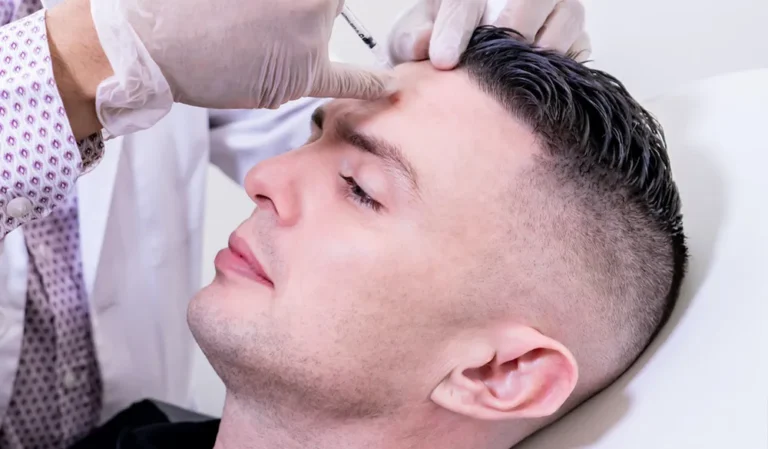
The facial balancing procedure is quick and minimally invasive. Before the treatment begins, a topical numbing cream is usually applied to ensure comfort during the injections. The practitioner then carefully injects dermal fillers into selected areas according to the personalized treatment plan. Most sessions take about 30 to 60 minutes to complete. Many individuals prefer facial balancing because it requires minimal recovery time. Patients often notice immediate improvements, with final results becoming more refined as the fillers settle.
How Long Do Facial Balancing Results Last?
The longevity of facial balancing results depends on factors such as the type of fillers used and the patient’s metabolism. In most cases, results last between 12 and 18 months. Over time, the body naturally absorbs the filler material. To maintain the desired appearance, periodic touch-up treatments may be recommended. Many individuals who undergo facial balancing schedule maintenance appointments to preserve facial harmony and symmetry. Maintaining healthy lifestyle habits and proper skincare can also help extend the longevity of treatment results.
Conclusion
Facial balancing has become one of the most effective non-surgical methods for achieving natural facial symmetry. By enhancing multiple facial areas, the treatment creates balanced proportions and a refreshed appearance. Unlike procedures that focus on a single feature, facial balancing takes a comprehensive approach to facial aesthetics. With minimal downtime and personalized treatment plans, it provides a convenient explanation for individuals seeking subtle yet noticeable improvements. Consulting with an experienced aesthetic professional can help individuals achieve balanced, youthful, and naturally harmonious results.