Modern industries face constant pressure to build products that are stronger, lighter, and more efficient. At the same time, companies must control costs and reduce environmental impact. Because traditional materials often reach their limits, engineers now turn to advanced nanocarbon solutions. Among these innovations, graphene nanoplatelets (GNPs) stand out for their balance of strength, conductivity, and scalability.
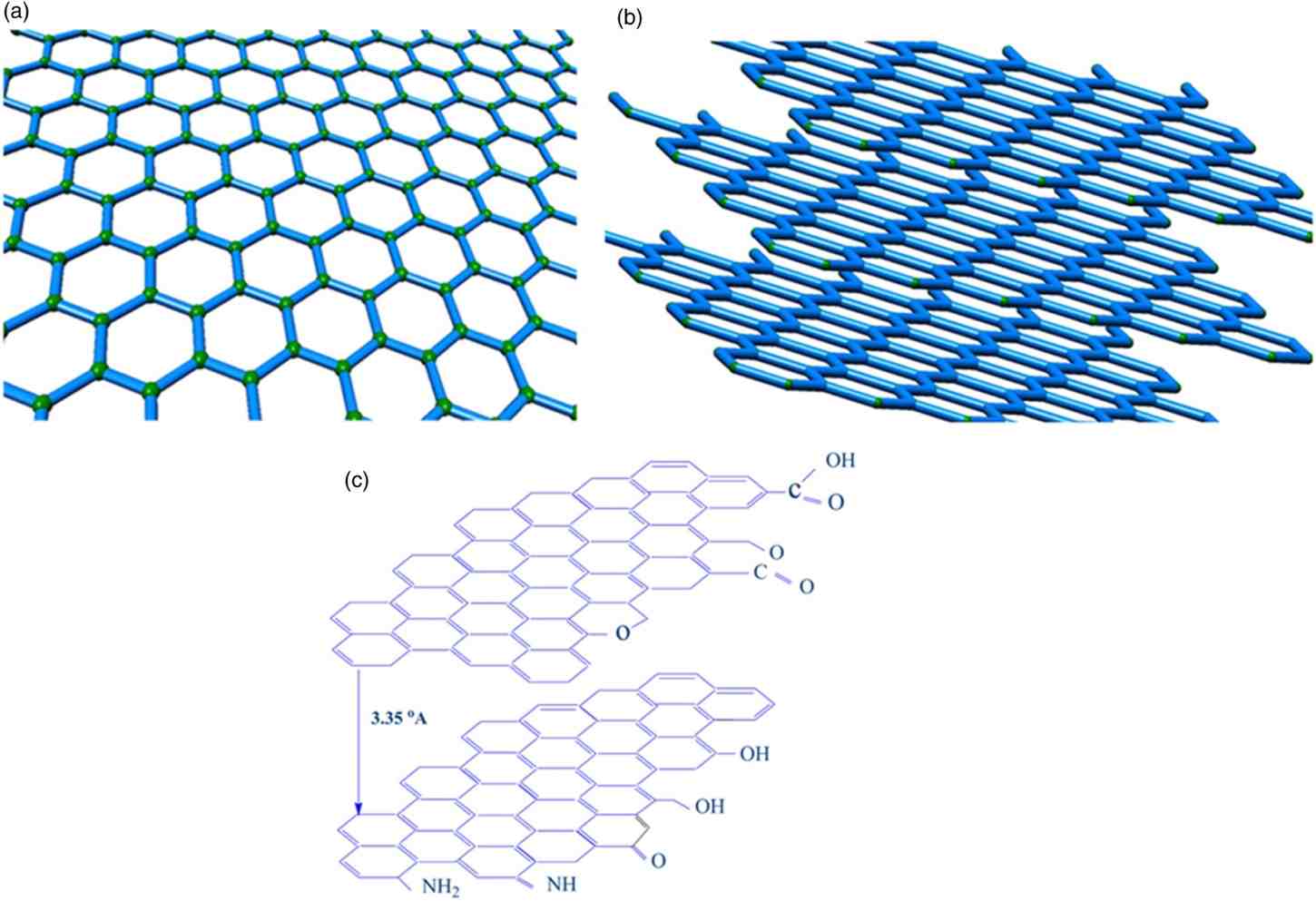
GNPs consist of several stacked graphene layers arranged in a thin platelet form. This structure provides high surface area and excellent mechanical properties. More importantly, manufacturers can produce them in commercial volumes. As a result, industries can adopt them without extreme cost or processing challenges.
In this article, we explore how GNPs improve material performance, where they deliver measurable results, and how engineers can integrate them effectively.
What Makes Graphene Nanoplates Unique?
Graphene nanoplates are ultra-thin carbon particles with layered structures. Each platelet contains multiple graphene sheets bonded through strong sp² carbon networks. This atomic arrangement gives them exceptional strength and stability.
Because of their high aspect ratio, GNPs create strong interfacial bonding inside composite systems. Even at low loading levels, they improve tensile strength and stiffness. At the same time, they maintain lightweight characteristics.
Another advantage involves process compatibility. Unlike delicate single-layer graphene, nanoplatelets handle mixing and extrusion conditions well. Therefore, manufacturers can integrate them into existing production lines.
Additionally, GNPs offer excellent thermal and electrical conductivity. This multifunctional capability allows engineers to enhance several material properties at once.
Mechanical Strength Enhancement in Composites
One of the most common uses of GNPs involves mechanical reinforcement. When engineers add GNPs olymers, they increase strength and resistance to crack growth.
Because the platelets distribute stress evenly throughout the matrix, they reduce weak points. As a result, cracks form less frequently and propagate more slowly. This improves fatigue life in structural components.
Automotive manufacturers use reinforced plastics for interior panels and under-hood parts. These components remain lightweight while maintaining durability. Similarly, aerospace engineers rely on graphene-enhanced composites to improve stiffness without adding weight.
In construction materials, GNPs strengthen coatings and concrete. Improved bonding at the micro level leads to higher durability and reduced surface damage. So, use high-shear mixing or twin-screw extrusion to ensure uniform dispersion. Agglomerated particles reduce mechanical gains.
Thermal Management and Heat Dissipation
Heat buildup limits performance in electronics, batteries, and industrial equipment. Poor heat control reduces efficiency and shortens lifespan. Therefore, improving thermal conductivity becomes essential.
GNPs conduct heat efficiently because of their carbon lattice structure. When dispersed in polymers, they create conductive pathways that transfer heat away from sensitive components.
Battery casings benefit from improved temperature regulation. LED lighting systems maintain stable performance due to better heat dissipation. Electric vehicles also gain from enhanced thermal management in battery modules.
Because of these benefits, manufacturers use GNPs to increase safety and reliability in energy systems. Encourage platelet alignment during processing. Proper orientation improves in-plane heat transfer performance.
Electrical Conductivity and Functional Performance
Many industries require materials with controlled electrical conductivity. Traditional polymers do not conduct electricity. However, once engineers add Graphene Nanoplatelets, conductive networks can form.
When the filler concentration reaches the percolation threshold, electrons travel through interconnected platelet structures. This transforms insulating materials into conductive composites.
Applications include:
- Electromagnetic interference shielding
- Antistatic flooring systems
- Conductive coatings
- Flexible electronics
Energy storage systems also benefit. Improved conductivity supports faster charge transport and enhanced electrode stability.
Precise dosage control remains important. Small increases in concentration can significantly change conductivity levels.
Real-World Applications Across Industries
Automotive Industry
Automakers focus on weight reduction and durability. Lightweight composites reinforced with graphene nanoplates improve fuel efficiency and structural performance. Electric vehicles benefit from enhanced battery heat management and electrical shielding.
Aerospace Sector
Aircraft components require high strength-to-weight ratios. GNPs strengthen composite panels and reduce fatigue damage. This improves long-term structural reliability under extreme stress conditions.
Construction and Infrastructure
Infrastructure materials must resist cracking and corrosion. Graphene-enhanced concrete systems show improved compressive strength. Protective coatings last longer due to increased resistance to environmental exposure.
Energy Storage and Electronics
Battery electrodes and supercapacitors require stable conductive networks. GNPs improve electron mobility and maintain structural stability during charge cycles. Electronics manufacturers use them to improve device durability and heat control.
Sustainability and Lifecycle Benefits
Sustainability remains a major industry goal. Because GNPs improve durability, products last longer. Longer service life reduces material waste and maintenance frequency.
Lightweight materials lower fuel consumption in transportation systems. Improved energy efficiency reduces operational emissions.
In addition, GNPs deliver performance improvements at low loading levels. Manufacturers use smaller quantities to achieve significant gains. This reduces overall raw material usage.
Durable infrastructure materials also decrease repair cycles. Fewer repairs mean lower environmental impact over time.
Best Practices for Successful Integration
To maximize performance, engineers should follow structured guidelines:
- Select platelet size and thickness based on the target property.
- Test compatibility with base polymers or resins.
- Optimize processing temperature and mixing speed.
- Perform mechanical and thermal performance testing.
- Maintain consistent quality control across batches.
Uniform dispersion remains the most important factor. Without proper distribution, GNPs cannot deliver full performance benefits.
Manufacturers should also conduct pilot trials before scaling production. This ensures predictable results in large-scale applications.
Future Outlook of Graphene-Enhanced Materials
Production methods continue to improve. As manufacturing scales increase, cost efficiency improves as well. Therefore, broader industrial adoption becomes more realistic.
Researchers are also exploring hybrid systems that combine GNPs with carbon nanotubes or nanofibers. These combinations may create multifunctional materials with improved mechanical and electrical properties.
Additive manufacturing presents another opportunity. Printable composites reinforced with GNPs may support next-generation design flexibility.
Because industries demand smarter and more durable materials, graphene-based reinforcement will continue to expand across sectors.
Conclusion
Graphene nanoplates offer measurable improvements in strength, thermal conductivity, and electrical performance. They help industries build lighter, stronger, and more efficient products. At the same time, they support sustainability goals through improved durability and reduced material waste.
From automotive and aerospace to construction and energy storage, graphene-enhanced materials continue to demonstrate real value. When engineers ensure proper dispersion and controlled dosage, they unlock consistent and scalable performance.
As industrial demands grow, graphene nanoplates will remain a key solution for high-performance material development across multiple sectors.