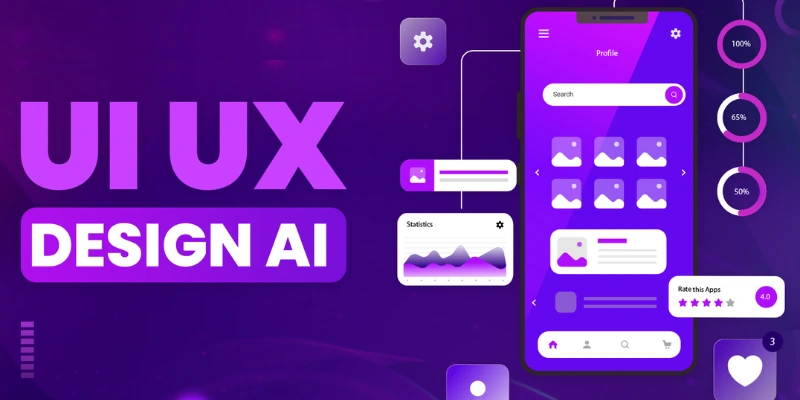
The world of design has always evolved alongside technology. From hand-drawn wireframes to sophisticated design software, every advancement has helped designers create better digital experiences. Today, Artificial Intelligence (AI) is the newest force transforming how designers think, work, and deliver results. Instead of replacing creativity, AI tools are acting like smart assistants that make the design process faster, more efficient, and more data-driven.
For aspiring designers, understanding how AI fits into the workflow is becoming increasingly important. Modern companies expect designers to use technology that improves productivity while maintaining a human-centered approach. This is why many learners are exploring structured programs such as a UI UX Designer Course in Chennai, where both traditional design principles and emerging AI tools are taught together. By combining creativity with technology, designers can build experiences that are intuitive, personalized, and meaningful for users.
In this article, we’ll explore how AI tools are reshaping the UI UX design workflow from research and ideation to testing and optimization and why designers should embrace these tools as partners in their creative journey.
The Evolution of the UI UX Design Workflow
Traditionally, the UI UX design process involved several manual steps. Designers would conduct user research, create personas, sketch wireframes, design high-fidelity prototypes, and then perform usability testing. While this workflow is still relevant, many of these stages required a lot of time and repetitive work.
AI tools are now streamlining these processes. They can analyze user behavior patterns, generate layout suggestions, automate repetitive tasks, and even predict how users might interact with a design. Instead of spending hours performing manual tasks, designers can concentrate more on strategic thinking and creativity.
This shift doesn’t remove the designer from the process. In fact, it highlights the importance of human judgment. AI provides suggestions and insights, but designers still make the final decisions about user experience, visual hierarchy, and emotional impact.
AI-Powered User Research
User research is one of the most critical parts of UI UX design. Understanding user needs, motivations, and frustrations helps designers create products that truly solve problems. However, traditional research methods like surveys, interviews, and data analysis can take weeks to complete.
AI tools are dramatically accelerating this process. They can quickly analyze large datasets, identify behavioral trends, and highlight patterns in user interactions. AI can track how users navigate an application and identify where they experience difficulties.
With these insights, designers can make informed decisions faster. Instead of relying only on assumptions or limited feedback, they can design based on real user behavior. AI also helps researchers summarize large volumes of feedback, turning thousands of comments into clear insights within minutes.
This allows design teams to spend more time improving the user experience rather than sorting through raw data.
Smarter Wireframing and Prototyping
Wireframing is the stage where ideas begin to take visual form. In the past, designers had to manually sketch multiple layout options before choosing the best one. Now, AI-powered design tools can generate layout suggestions automatically based on design patterns and usability principles.
These tools analyze existing design libraries and recommend interface structures that work well for similar products. For example, if a designer is creating a mobile shopping app, AI can suggest navigation layouts, product display patterns, and interaction elements commonly used in successful e-commerce apps.
This doesn’t mean designers lose creative control. Instead, AI acts as a starting point, helping designers explore ideas more quickly. Designers can then customize, refine, and improve these suggestions to create unique experiences.
Enhancing Visual Design and Creativity
Many designers initially worried that AI might reduce creativity. In reality, the opposite is happening. AI tools are enabling designers to explore more ideas and experiment with visual styles faster than ever before.
AI-assisted design platforms can generate color palettes, typography combinations, and layout variations based on user preferences and brand guidelines. These suggestions help designers discover creative possibilities they might not have considered before.
For example, a designer performing on a website can use AI to instantly preview how different design styles affect the overall user experience. Instead of spending hours adjusting visual elements manually, designers can test multiple design directions within minutes.
AI in Usability Testing
Usability testing is another stage where AI is making a big impact. Traditionally, designers had to recruit participants, observe their behavior, and manually analyze the results. This process could take weeks before meaningful insights were gathered.
AI-powered usability tools now automate much of this analysis. They can track user interactions, identify navigation difficulties, and detect patterns that indicate confusion or frustration.
For example, AI heatmaps can show where users click most often, where they hesitate, and which elements they ignore completely. These insights help designers understand whether their design is intuitive or needs improvement.
AI can also simulate user interactions, predicting how users might behave before the product is even launched. This predictive capability allows teams to fix usability issues earlier in the design process.
Personalization and Adaptive Interfaces
One of the most exciting applications of AI in UI UX design is personalization. Modern digital products are expected to adapt to individual users, offering experiences tailored to their preferences and behavior.
AI makes this possible by analyzing user data and adjusting interface elements dynamically. For instance, a streaming platform may recommend content based on viewing history, while an e-commerce app might highlight products related to previous purchases.
From a design perspective, this means interfaces are no longer static. Designers must think about flexible layouts that can adapt to different user needs.
AI-driven personalization enhances user engagement because people feel that the product understands their preferences. However, designers must also ensure transparency and respect user privacy when implementing these features.
Collaboration Between Designers and AI
The future of UI UX design is not about humans versus machines it’s about collaboration. AI tools are becoming valuable partners in the creative process, handling repetitive tasks and providing insights that support better design decisions.
Designers who comprehend how to use AI effectively can work more efficiently and deliver higher-quality experiences. This is why many professionals are expanding their skills by learning both design and AI concepts through programs like an Artificial Intelligence Course In Chennai, which helps designers understand how machine learning and data analysis influence digital products.
When designers combine technical understanding with empathy for users, they create solutions that are both intelligent and human-centered.
The Future of AI in Design
AI technology is still growing, and its role in design will continue to grow. In the future, AI may help designers predict user behavior even more accurately, generate entire interface systems, and automatically optimize designs based on user feedback.
However, the core of UI UX design will always remain human. Empathy, creativity, and storytelling cannot be fully automated. AI can provide data and suggestions, but only designers can truly understand the emotional needs of users.
As technology advances, the most successful designers will be those who embrace AI as a tool rather than viewing it as a threat. By integrating AI into their workflow, designers can spend additional time focusing on what matters most, creating meaningful experiences for people.
Conclusion
AI tools are transforming the UI UX design workflow in remarkable ways. From accelerating user research to improving prototyping, usability testing, and personalization, AI is helping designers work smarter and more efficiently. Instead of replacing designers, AI enhances their abilities by providing powerful insights and automation.
For anyone interested in entering the design field, learning how to use these technologies is becoming an essential skill. Educational programs like Graphic Design Courses in Chennai are increasingly incorporating AI-driven design tools into their curriculum, ensuring that students are prepared for the future of digital design.
Ultimately, the goal of UI UX design remains the same: to create products that are intuitive, engaging, and valuable for users. AI simply provides new opportunities to achieve that goal faster and more effectively.