There are very few countries in the world that can place you beside a rolling Atlantic coastline one day and beneath a canopy of desert stars two days later. Morocco is one of them. The geographic range packed into this relatively compact North African nation is, honestly, one of its most underappreciated qualities and it is precisely that range which makes a structured Moroccan trip so satisfying when it is properly put together. Desert dunes, fortifies coastal medinas, dramatic gorges, and centuries-old fishing ports can all exist within a single two-week itinerary without feeling forces or rushes, provided the routing is intelligent and the pacing is honest.
In my experience coordinating Moroccan itineraries for travellers across different interests and budgets, the combination of desert and coastal experiences consistently produces the most satisfied clients. Each environment is so distinct from the other that the contrast itself becomes part of the journey: the silence of the Sahara at dawn followed, days later, by the sound of Atlantic surf and the smell of grilled sardines on a harbour wall in Essaouira. Morocco Holiday Packages that weave both environments into a coherent route deliver something that neither desert-only nor coastal-only itineraries can replicate on their own.
The Desert Experience: What Travellers Actually Encounter
The Saharan section of Morocco centres primarily on the Erg Chebbi dune field near Merzouga, in the southeast of the country close to the Algerian border. The dunes here reach heights of up to 150 metres and shift constantly with the wind, producing a landscape that looks genuinely otherworldly in the early morning and late afternoon light. A camel trek into the dunes at sunset followed by a night in a desert camp is the standard experience, and it earns its reputation but the quality of that experience depends heavily on which camp you book and how the overall routing gets you there.
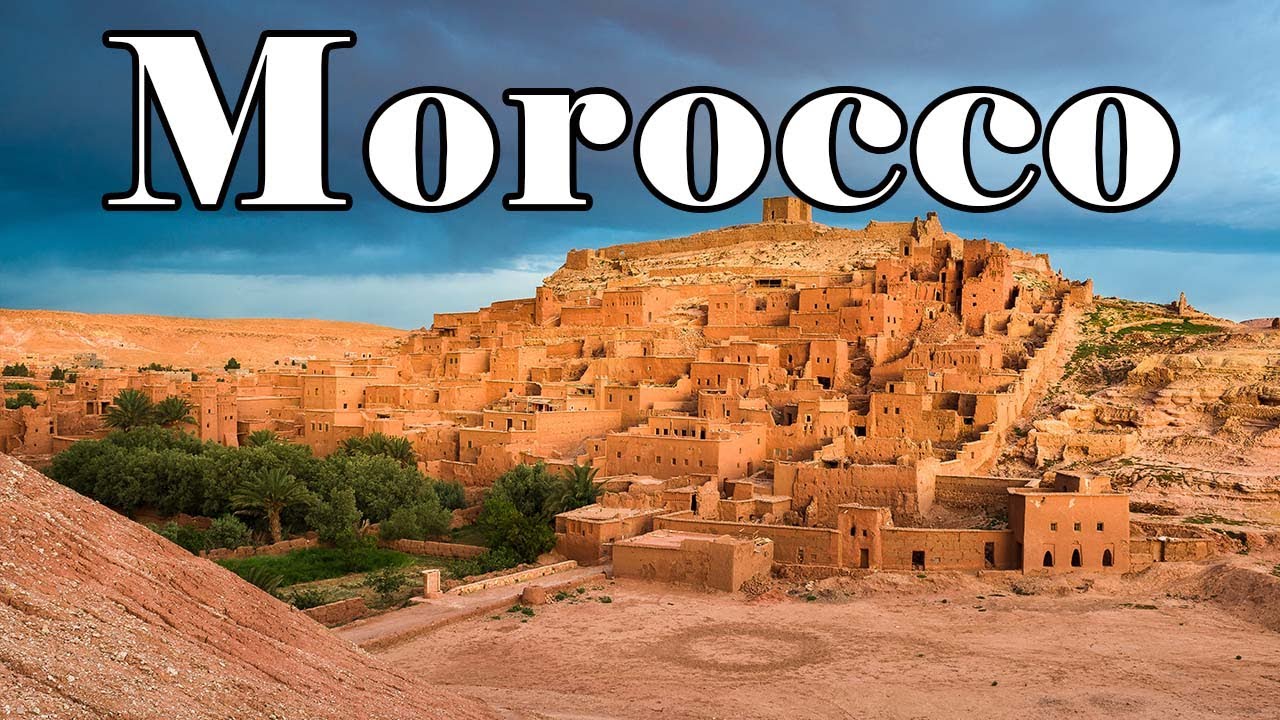
The drive from Marrakech to Merzouga takes approximately nine to ten hours across the High Atlas passes and through the Draa Valley, passing the Dades Gorge, Todra Gorge, and a series of mud-brick or fortified village complexes along the way. Compressing this into a single day is logistically possible and experientially poor. The journey itself is one of Morocco’s great overland routes, and treating it purely as a transfer wastes most of what it offers. Any reputable operator building a desert leg into a Moroccan package should route this over two days with a quality overnight stop in the Dades Valley or at Tinghir, allowing time to walk the gorges rather than photograph them from a moving window.
Desert Camp Selection: Where the Details Really Matter
Overnight desert camps at Erg Chebbi vary enormously from basic communal tents with minimal facilities to well-appointed luxury setups with private sleeping areas, proper bathrooms, and evening entertainment from local musicians. The cheapest options are often heavily booked by large group tours, which produces a scenario where the silence of the Sahara that travellers came to experience is replaced by the noise of fifty other tourists at adjacent campfire circles. This is one of those situations where spending modestly more on a smaller, private-access camp makes a disproportionate difference to the actual quality of the night.
At Al Kareem Travel, desert camp selection is treat as one of the most consequential accommodation decisions in any Moroccan itinerary not an afterthought to be fill with whatever has availability. The conversation with clients about what sleeping in the desert genuinely involves, including cold nights in winter months and early heat in summer, is part of the pre-departure briefing rather than something left for the client to discover on arrival.
The Atlantic Coast: Essaouira, Agadir, and the Surf Towns
Morocco’s Atlantic coastline is a different proposition entirely from the desert interior, and it is consistently underrepresented in standard package itineraries that default to Marrakech and the Sahara alone. Essaouira is the most compelling coastal stop for most travellers, a walled Portuguese-era medina on a windswept Atlantic promontory, with a working fishing harbor, well-preserve ramparts, and a relaxes atmosphere that contrasts sharply with the intensity of Marrakech. The town is a UNESCO World Heritage Site and has a genuinely distinct cultural character shaped by its history as a trading port connecting West Africa, Europe, and the Arab world.
Taghazout, around 20 kilometres north of Agadir, has emerged as Morocco’s leading surf destination and attracts a growing number of travellers who want consistent Atlantic swells, surf instruction, and a laid-back beachside base. It works well as a decompression stop at the end of an itinerary that has covered significant cultural and desert ground. A few days of surf lessons, fresh seafood, and easy beach walks provides a natural transition before flying home. Agadir itself functions primarily as a resort town and offers little of cultural interest, but its airport is a useful gateway for packages that begin or end on the coast rather than routing everything through Marrakech.
Routing Desert and Coast Together: The Logistical Reality
The most common itinerary mistake I encounter with Morocco desert and coastal combinations is the attempt to loop back through Marrakech between both segments rather than routing in a logical arc. A well-structured 10 to 12-night itinerary might enter via Marrakech, head southeast through the Atlas and Draa Valley to the desert, return via a different northern route through Fes or Meknes, and then travel to Essaouira or Taghazout before flying home either from Marrakech or Agadir. This arc covers the country more efficiently, avoids repetitive backtracking, and produces a more varied and satisfying journey.
Private transportation throughout is strongly advisable for combined desert and coastal itineraries. Morocco’s intercity bus network is functional but inflexible for multi-region routes with luggage, and self-driving in the desert southeast requires a level of familiarity with the roads that most first-time visitors do not have. A private driver familiar with the Draa Valley route and the mountain passes can also serve as an informal guide to the landscape, which significantly adds to the experience at no extra logistical cost.
Seasonal Considerations and Honest Budgeting
Spring and autumn are the optimal seasons for combined desert and coastal Morocco trips. March through May delivers comfortable temperatures across all regions warm enough for the coast, manageable in the desert, and clear in the mountain passes. October and November are equally strong. Summer works well for the Atlantic coast but is genuinely harsh in the desert interior, where afternoon temperatures in July and August regularly exceed 42 degrees Celsius. Winter is viable but requires awareness: the Sahara drops well below zero overnight in December and January, and some High Atlas passes can close briefly due to snow.
For budgeting purposes, Morocco Holiday Packages covering both desert and coastal regions over 10 to 12 nights including return flights from the UK, private ground transportation throughout, accommodation at a comfortable mid-range level, guided experiences, and transfers typically fall between £1,400 and £2,600 per person. This is meaningful value for the breadth of experience on offer, but it is not the budget destination some initial online research implies, particularly once quality desert camp accommodation and private vehicle hire are include honestly in the cost.
Travel Insurance and On-Ground Support
Morocco has no reciprocal healthcare agreement with the UK, which makes comprehensive travel insurance non-negotiable for any trip. Policies for combined adventure itineraries must explicitly cover desert excursions, camel trekking, and any water sports or surfing activities on the coast standard policies frequently exclude these without additional cover.
On-ground support matters particularly in the desert southeast, where mobile coverage is patchy and the nearest quality medical facility can be several hours away. Knowing there is a local contact reachable in the event of a vehicle breakdown, a health issue, or an unexpected itinerary disruption provides a level of reassurance that independent travel in remote regions simply cannot match.
Conclusion
Morocco rewards the traveller who gives it proper thought before departure. The combination of Saharan desert and Atlantic coastline within a single itinerary is one of the country’s greatest assets but it requires intelligent routing, honest pacing, and careful accommodation selection to land as well as it should.
Morocco Holiday Packages that take this combination seriously, rather than defaulting to a Marrakech-plus-dunes circuit with a coastal stop bolted on, produce a genuinely different quality of experience. Plan it well, allow it the time it deserves, and Morocco will likely rank among the most visually and emotionally striking trips you ever take.