Cleft lip and palate (CLP) represent some of the most common congenital conditions affecting children worldwide. These facial and oral abnormalities occur when the tissues forming the upper lip or roof of the mouth fail to fuse properly during early pregnancy. Beyond the physical gap they create, CLP can significantly influence speech, feeding, and breathing abilities. While surgery corrects the visible aspects of the condition, orthodontic care ensures that teeth, jaws, and facial structures develop harmoniously. Through strategic, phased interventions, orthodontic treatment supports not only aesthetic restoration but also long-term function and confidence.
Understanding Cleft Lip and Palate
A cleft lip is a physical split or separation in the upper lip, while a cleft palate involves a gap in the roof of the mouth. These conditions may occur independently or together, affecting the child’s ability to eat, speak, and breathe efficiently. Early diagnosis is essential as cleft-related issues extend beyond appearance impacting dental development, facial growth, and emotional wellbeing.
Children born with CLP often experience:
- Misaligned or missing teeth, especially near the cleft site.
- Narrow dental arches, making chewing difficult.
- Speech and feeding difficulties, due to gaps in the palate.
- Challenges in maintaining oral hygiene, which can lead to decay or gum disease.
A multidisciplinary team comprising surgeons, speech therapists, and dental professionals works together to manage CLP. Among them, orthodontic specialists play a key role in ensuring that the patient’s teeth and jaws are guided into proper alignment as growth progresses.

The Role of Orthodontics in CLP Management
An orthodontist Wisbech is vital to the long-term success of cleft lip and palate rehabilitation. Orthodontic treatment forms a bridge between surgical correction and complete dental restoration. It aims to align teeth, support facial growth, and prepare the mouth for further surgical or restorative work.
The key objectives of orthodontic care include:
- Guiding jaw development to promote facial symmetry.
- Correcting bite irregularities and improving speech.
- Facilitating surgical procedures by aligning teeth and bone segments.
- Maintaining oral hygiene through improved alignment and spacing.
Because every cleft case is unique, orthodontists customise treatment timelines to match each child’s development and surgical needs. Collaboration between orthodontists, surgeons, and paediatric dentists ensures that interventions are both safe and effective.
Phases of Orthodontic Treatment
Orthodontic treatment for cleft lip and palate is delivered in well-defined phases, each corresponding to the patient’s growth stage. The aim is to coordinate orthodontic adjustments with surgical and developmental milestones.
| Phase | Age/Stage | Primary Goal | Orthodontic Approach |
| Pre-surgical | Birth to 1 year | Prepare alveolar segments for surgical repair | Nasoalveolar Moulding (NAM) |
| Mixed dentition | 6–12 years | Correct crossbites and guide eruption | Palatal expanders, early braces |
| Permanent dentition | 12–18 years | Align teeth and correct bite | Braces, aligners, functional appliances |
| Retention & Monitoring | Post-treatment | Maintain results and monitor growth | Retainers, regular reviews |
Early orthodontic intervention can make future surgeries more successful and reduce the severity of later dental misalignment. Timely check-ups allow orthodontists to track jaw growth, modify appliances, and manage emerging issues before they escalate.In some instances, when patients experience appliance damage or sudden discomfort, access to an emergency dentist in Wisbech ensures quick relief and prevents interruption in treatment. Immediate attention helps maintain progress and protects delicate orthodontic appliances.
Advanced Orthodontic Techniques for CLP Cases
Modern orthodontics has introduced cutting-edge tools and digital systems that enhance the precision and comfort of treatment for CLP patients. These technologies have transformed how professionals plan, monitor, and execute orthodontic care.
Notable innovations include:
- 3D imaging and digital scanning: Allows detailed visualisation of bone and tooth structure for accurate planning.
- Customised appliances: Designed specifically for each patient’s anatomy to ensure comfort and efficient tooth movement.
- Clear aligners: Provide a discreet solution for certain cases during the permanent dentition stage.
- Mini-implants (TADs): Offer stable anchorage to support complex tooth movement, especially in asymmetrical jaws.
- Functional jaw devices: Stimulate natural growth of the upper jaw and enhance facial balance.
These innovations have not only improved clinical outcomes but also reduced treatment duration and the number of invasive procedures required.
Common Challenges and How Orthodontics Overcomes Them
Orthodontic management of cleft lip and palate presents distinctive challenges, often requiring creative and patient-focused solutions.
Typical difficulties include:
- Missing or malformed teeth in the cleft region.
- Asymmetrical jaw growth, affecting bite and appearance.
- Difficulty maintaining oral hygiene due to appliances and limited access.
- Extended treatment duration, which may impact emotional wellbeing.
Orthodontic strategies to address these challenges:
- Close collaboration with dental surgeons to plan tooth replacements.
- Use of custom braces and expanders for balanced jaw growth.
- Emphasis on daily cleaning routines with specialised tools.
- Providing counselling and motivation to help patients stay positive during long treatments.
When discomfort or dental emergencies occur such as broken brackets, loose wires, or gum irritation prompt care from an emergency dentist in Wisbech ensures comfort and prevents setbacks.
Family Involvement and Home Care
Family support is crucial in ensuring consistent progress and maintaining oral health throughout orthodontic treatment. Caregivers help children develop healthy habits and provide emotional reassurance during challenging phases.
Practical tips for caregivers:
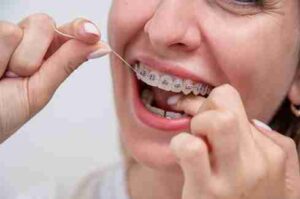
- Supervise brushing and flossing after every meal.
- Use fluoride toothpaste and orthodontic-friendly brushes.
- Ensure appliances are worn as instructed and check for any damage.
- Encourage nutritious meals that promote bone and tooth health.
- Attend every orthodontic appointment for progress assessment.
Benefits of family participation:
- Improved treatment compliance.
- Better oral hygiene outcomes.
- Enhanced emotional wellbeing for the child.
- Stronger trust between family and orthodontic team.
When families are actively engaged, the overall treatment experience becomes smoother and more effective.
Holistic Benefits of Orthodontic Treatment in CLP
Beyond aesthetics, orthodontic intervention for cleft lip and palate patients contributes to improved health, confidence, and quality of life.
Key long-term benefits:
- Enhanced ability to chew, speak, and breathe properly.
- Balanced facial proportions and natural smile aesthetics.
- Lower risk of dental decay and gum disease due to better alignment.
- Improved self-esteem through restored function and appearance.
Each step in treatment brings patients closer to a healthy, confident smile that reflects both resilience and success in overcoming early challenges.
Conclusion
Treating cleft lip and palate requires precision, patience, and empathy. Orthodontic care plays a central role in helping patients regain balance, functionality, and self-assurance. By combining advanced techniques, multidisciplinary collaboration, and strong family support, individuals with CLP can achieve lifelong improvements in oral health and facial harmony.For families in Wisbech, expert orthodontic guidance ensures that every phase of treatment from early intervention to final refinement is handled with care and professionalism. With commitment, technology, and compassionate support, patients can look forward to a brighter and more confident future.