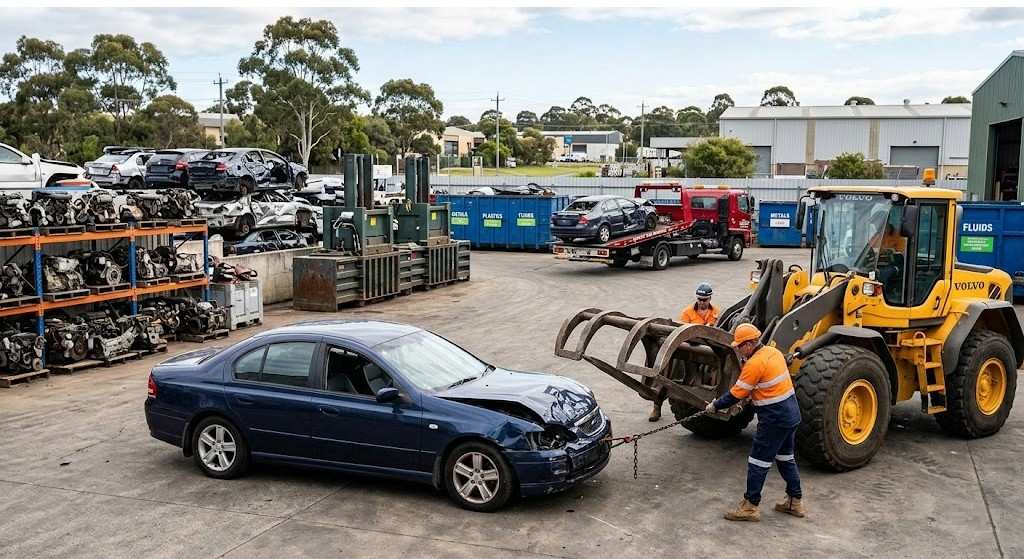
Disposing of an accident-damaged vehicle in New South Wales involves choosing between professional wrecking services, private sales, or insurance write-offs based on the extent of the structural damage. When a collision leaves your car undriveable, the priority shifts from maintenance to efficient removal to avoid mounting storage fees or council fines.
Whether your vehicle suffered a minor fender bender or a high-speed total loss, understanding your disposal pathways ensures you recoup the maximum value while staying compliant with Australian environmental standards.
Understanding the Status of Your Smashed Vehicle
Determining the classification of your car is the first step in the disposal process. In Australia, insurers and transport authorities categorise damaged vehicles into two primary groups: Statutory Write-Offs and Repairable Write-Offs.
-
Statutory Write-Off: These vehicles have structural damage so severe that they can never be safely driven again. Examples include cars with heavy roof crush, fire damage, or immersion in salt water. Under NSW law, these cars are only good for parts or scrap metal.
-
Repairable Write-Off: These cars are technically fixable, but the cost of repairs exceeds the market value of the vehicle. Owners can sometimes repair and re-register these, though the process involves rigorous safety inspections and identity checks.
By identifying which category your car falls into, you narrow down your disposal options immediately.
Primary Disposal Options for Damaged Cars
There are 4 main methods for disposing of a smashed car in Sydney, ranging from high-effort private listings to instantaneous professional removals.
| Disposal Method | Speed of Process | Potential Payout | Effort Required |
| Professional Car Removal | Under 24 hours | Immediate Cash | Low (Pickup included) |
| Insurance Settlement | 1–3 weeks | Market Value | Medium (Paperwork heavy) |
| Private Sale for Parts | Months | High (per part) | Very High (Dismantling) |
| Dealership Trade-in | 1–2 days | Low/Variable | Medium (Transport needed) |
Option 1: Professional Car Removal Services
The most efficient way to handle a smashed car is through a licensed motor vehicle wrecker or a dedicated removal service. This option suits owners who want the vehicle gone immediately without paying for towing or advertising.
To use a car removal service, you provide the vehicle’s make, model, and damage extent to receive an instant quote. Most reputable operators, such as Sydney Car Removal, provide free towing across the metropolitan area, ensuring you do not pay out-of-pocket to move a dead asset.
Learn More: https://www.sydneycarremoval.com.au/
Pros:
-
Instant Liquidity: You receive payment at ime of pickup.
-
Free Logistics: Professionals handle the towing, which saves you roughly $150 to $300 in transport costs.
-
No Roadworthy Required: Cars are bought “as-is,” regardless of smashed panels or blown airbags.
Cons:
-
Fixed Pricing: The payout is based on scrap metal weight and salvageable parts rather than emotional value.
Option 2: Insurance Write-Off Settlements
Insurance settlements provide a financial recovery path if you hold a Comprehensive Insurance policy. When an accident occurs, the insurer assesses the damage to decide if the vehicle is a total loss.
To claim a write-off settlement, you lodge a claim and wait for an assessor’s report. If the car is declared a total loss, the insurer pays out the “Agreed Value” or “Market Value” specified in your policy, minus any excess.
Situational Relevance: This is the best option for late-model vehicles (under 5 years old) where the policy value is significantly higher than the raw scrap value. However, if you only have Third Party Property damage, your insurer will not pay for your vehicle’s disposal or replacement.
Option 3: Selling Privately for Parts
Dismantling a car and selling it piece-by-piece maximizes the total revenue from a smashed vehicle. This method targets DIY mechanics and hobbyists looking for specific components like engines, gearboxes, or interior trim.
12 specific components often hold high resale value in the second-hand market, including:
-
Alloy wheels and tyres
-
In-dash infotainment systems
-
Catalytic converters (precious metal content)
-
Headlight assemblies (specifically LED or Xenon)
-
Side mirrors (power-folding versions)
The Reality Check: Private part-outs require significant space, mechanical tools, and time. Most local councils in Sydney prohibit keeping “end-of-life” vehicles on suburban driveways or nature strips for extended periods, which can lead to hefty fines.
Option 4: Dealership Trade-ins
Trading in a damaged car at a dealership is possible but rarely lucrative. Dealers typically only accept “smashed” cars if the damage is cosmetic and the car is still driveable.
If the car requires a tow, most dealerships will refuse the trade-in or offer a “token” amount (often as low as $100) just to facilitate the sale of a new car. This option is only viable if you are already purchasing a new vehicle and the dealer offers a “scrappage” incentive.
Environmental Responsibilities in Vehicle Disposal
Disposing of a car is an environmental task as much as a financial one. A single scrap vehicle contains 5 hazardous materials that require professional handling, including:
-
Lead-acid batteries: These leak toxic chemicals into the soil if left to rot.
-
Engine oil and fluids: Brake fluid, coolant, and transmission oil are pollutants.
-
Refrigerant gases: Air conditioning systems contain gases that contribute to atmospheric damage.
-
Heavy metals: Mercury and cadmium are often present in older electronic sensors.
-
Tyres: Improperly discarded tyres create fire hazards and breeding grounds for pests.
Licensed wreckers follow the NSW Environment Protection Authority (EPA) guidelines to depollute vehicles before crushing the steel. This ensures that 95% of your smashed car is recycled into new products rather than sitting in a landfill.
How to Prepare Your Smashed Car for Disposal
To ensure a smooth transition and protect your legal interests, follow these 3 steps before the tow truck arrives:
-
Remove Personal Belongings: Check the glovebox, under the seats, and the boot. Don’t forget E-Toll tags and sunglasses.
-
Remove the Licence Plates: In NSW, you must return your plates to a Service NSW centre to cancel your registration. You may be eligible for a pro-rata refund on the remaining “rego” and CTP insurance.
-
Gather Documentation: Have your Photo ID and proof of ownership ready. While the car is smashed, the buyer still needs to verify that the person selling it has the legal right to do so.
Summary of Options Based on Car Condition
| Car Condition | Best Disposal Route | Why? |
| Minor Dents / Driveable | Private Sale / Trade-in | Highest resale potential as a functioning vehicle. |
| Major Smashed / Non-Driveable | Car Removal Service | Eliminates towing costs and provides instant cash. |
| Burnt / Stripped / Rusted | Scrap Metal Merchant | Value is purely in the weight of the steel. |
| Insured / High Value | Insurance Claim | Payout reflects the insured market value. |
Conclusion
Sticking with a smashed car on your property creates a safety hazard and an eyesore. For most Sydney residents, the most balanced approach is using a professional removal service. This path eliminates the logistical headache of hiring a tilt-tray truck and provides a guaranteed financial return regardless of the vehicle’s mechanical state.
By choosing a reputable local buyer, you ensure the car is recycled according to Australian standards while putting cash back into your pocket for your next vehicle.