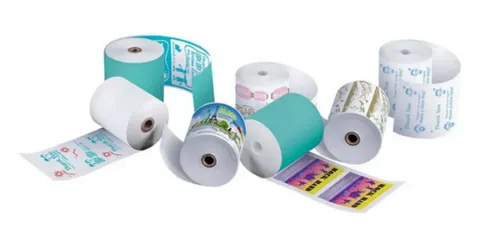
Thermal Paper: Fast, Reliable, and Cost-Effective
Thermal paper is a specialized type of paper designed for use in thermal printers, widely used across retail, hospitality, logistics, and healthcare industries. Its unique heat-sensitive coating allows printers to produce clear, high-quality prints without the need for ink or toner, making it an efficient and low-maintenance solution for businesses of all sizes. Thermal paper plays a critical role in daily operations, from printing receipts at a busy store to generating labels in a warehouse. Its convenience, speed, and reliability have made it a staple in modern commerce and service industries.
How Thermal Paper Works
When a thermal printer applies heat to specific areas of the paper, the coating changes color, creating text, numbers, or images. This process is straightforward and fast and eliminates the need for traditional printing consumables like ink cartridges or toner.
There are two primary types of thermal printing methods associated with thermal paper:
Direct Thermal Printing
Direct thermal printing uses heat-sensitive paper that darkens when exposed to the printer’s heat head. It is commonly used for receipts, tickets, and short-term labels. The prints are sharp and clear but may fade over time if exposed to heat or sunlight for extended periods.
Thermal Transfer Printing
Thermal transfer printing involves a ribbon that transfers ink onto the paper. This method creates durable and long-lasting prints suitable for labels and barcodes that need to remain legible for a long time.
Benefits of Using Thermal Paper
Cost-Effective
Since thermal paper eliminates the need for ink or toner, businesses can reduce their printing expenses. Additionally, thermal printers typically have fewer moving parts, which decreases maintenance costs.
Speed and Efficiency
Thermal printers work quickly, producing high-quality prints in seconds. This makes them ideal for environments with high transaction volumes, such as supermarkets, cafes, or ticket counters.
Clear and Consistent Printing
High-quality thermal paper ensures that prints are readable and consistent. This is particularly important for barcodes, receipts, and shipping labels where clarity is essential.
Low Maintenance
Thermal printers require minimal upkeep compared to traditional printing systems, allowing employees to focus on core business operations rather than printer issues.
Common Uses of Thermal Paper
Thermal paper is widely used in several industries:
- Retail and Supermarkets: Printing receipts and transaction confirmations.
- Hospitality and Food Services: Generating order tickets and billing slips.
- Logistics and Warehousing: Creating shipping labels and tracking barcodes.
- Healthcare: Printing patient wristbands, labels, and medical documentation.
- Banking and Finance: Generating ATM receipts and payment confirmations.
Its speed, reliability, and ease of use make it an indispensable resource for these industries.
Choosing the Right Thermal Paper
Selecting the correct POS software thermal paper is critical to ensure high-quality printing and compatibility with your printer.
Check Paper Size and Roll Diameter
Thermal paper comes in different widths and roll sizes. Using the wrong size can lead to paper jams and printer errors.
Consider Paper Quality
High-grade thermal paper has a smooth, consistent coating that ensures sharp and clear prints while reducing wear on the printer’s heat head.
Evaluate Print Longevity
For receipts or labels that need to remain legible for extended periods, consider thicker thermal paper or thermal transfer options for durability.
Eco-Friendly Options
Many manufacturers now provide BPA-free thermal paper to minimize environmental impact while maintaining excellent print quality.
Proper Storage of Thermal Paper
Thermal paper must be stored carefully to preserve its print quality:
- Keep rolls in a cool, dry environment.
- Avoid exposure to direct sunlight or high heat.
- Store away from chemicals, oils, and moisture.
- Use older stock first to ensure optimal performance.
Proper storage helps maintain clarity, prevents fading, and extends the life of the rolls.
Final Thoughts
Thermal paper is more than just paper—it’s a vital component of efficient business operations. Its ability to deliver fast, clear, and reliable printing without the need for ink or toner makes it a practical choice for a wide range of industries. By choosing high-quality thermal paper, ensuring printer compatibility, and storing it correctly, businesses can optimize printing processes, save costs, and maintain professional documentation. From receipts to labels, thermal paper remains a cornerstone of modern, efficient printing solutions. For more related blogs or posts, click here