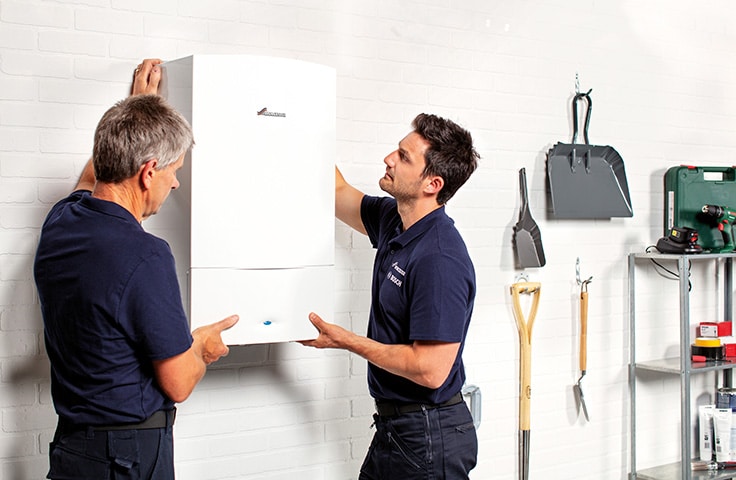
Many homeowners don’t think much about their boiler until it begins causing problems. Heating systems tend to work quietly in the background for years. Then one winter, the house feels colder than usual, the hot water runs out faster, or the system starts making unfamiliar noises. At that point, people naturally begin to wonder whether replacing the boiler might solve the problem.
Upgrading a boiler is a significant investment, so it’s worth understanding what actually changes when you install a newer system. While modern boilers offer several advantages, the benefits depend on the age of the existing unit, the condition of the heating system, and how efficiently the home retains heat.
The sections below explain what homeowners typically gain from a boiler upgrade, along with a few considerations that often go overlooked.
Improved Energy Efficiency
One of the most practical reasons people replace an older boiler is improved efficiency. Heating technology has changed considerably over the past two decades.
Older boilers often operate at 60–75% efficiency. In simple terms, a large portion of the fuel they burn escapes as wasted heat through the flue. Modern condensing boilers work differently. They capture and reuse heat that older systems would release into the air.
As a result, many modern units reach 90% efficiency or higher under normal conditions.
That difference can reduce fuel consumption noticeably over time. The exact savings vary depending on the home and heating habits, but a more efficient system usually means less gas or oil required to maintain the same indoor temperature.
Efficiency improvements also help reduce environmental impact, which is why many countries encourage the adoption of modern heating systems.
Lower Heating Bills Over Time
Efficiency and energy costs are closely connected. When a boiler burns less fuel to produce the same level of heat, operating costs tend to fall.
For households with aging boilers, especially units over 15 years old, replacing the system can reduce monthly heating expenses. The savings rarely appear overnight, but they accumulate gradually during colder months.
However, expectations should remain realistic. A boiler upgrade will not eliminate heating costs, and the savings depend heavily on:
-
Home insulation quality
-
Thermostat settings
-
Size of the property
-
Outdoor temperatures
In other words, a new boiler works best when combined with other energy improvements, such as better insulation or updated heating controls.
More Reliable Heating
Older boilers often develop a pattern of small failures. At first, the issues seem manageable—a pressure drop here, a noisy pump there. Eventually, breakdowns become more frequent.
That cycle usually occurs because internal components wear out. Heat exchangers, valves, and pumps all experience stress after years of use.
Installing a new boiler resets that clock. Most new systems come with manufacturer warranties and modern safety components, which reduces the likelihood of unexpected breakdowns.
This reliability matters most during winter, when a heating failure can quickly make a home uncomfortable or even unsafe.
Consistent Hot Water Supply
Another common frustration with aging heating systems involves hot water. In many homes, the supply becomes inconsistent as boilers age.
Several things can cause this problem:
-
Mineral buildup inside the heat exchanger
-
Declining burner performance
-
Faulty internal valves
A modern system typically restores steady hot water delivery. In homes switching to a combi boiler, water is heated directly from the mains supply, which removes the need for a storage tank.
That approach works well for smaller households, though larger homes with high water demand may still benefit from systems with hot water cylinders.
Quieter Operation
It’s easy to overlook noise until it becomes noticeable. Many older boilers develop knocking, rumbling, or vibrating sounds over time.
Sometimes these noises come from trapped air or sediment buildup inside the system. In other cases, worn pumps or fans create the disturbance.
Modern boilers operate far more quietly. Manufacturers design them with improved insulation, smoother pumps, and better airflow control. The difference can be surprisingly noticeable, especially if the boiler sits near living areas.
Better Heating Controls
Heating systems used to rely on fairly basic thermostats. Today, many boilers work with advanced control systems that offer more precise temperature management.
Examples include:
-
Programmable thermostats
-
Smart thermostats connected to mobile apps
-
Zoned heating systems that control different rooms separately
These controls help prevent unnecessary heating. Instead of warming the entire home all day, the system can respond to actual living patterns.
While the boiler itself produces the heat, modern controls help manage it more intelligently.
Reduced Carbon Emissions
Heating homes with fossil fuels produces carbon emissions. Newer boilers burn fuel more efficiently, which means fewer emissions for the same amount of heat.
Governments increasingly encourage these upgrades as part of broader environmental goals. In some regions, incentives exist for homeowners who replace older systems with high-efficiency equipment or alternative technologies such as heat pumps.
Although a boiler upgrade alone does not eliminate emissions, it often represents a step toward cleaner home heating.
Compatibility With Modern Heating Systems
Heating technology continues to evolve. New boilers are designed to integrate with a wider range of systems and controls.
For example, many modern units can work alongside:
-
Smart home platforms
-
Weather-compensating controls
-
Low-temperature heating systems
These features allow the heating system to respond more precisely to changes in indoor and outdoor conditions.
Older boilers often lack the electronic controls needed to support these improvements.
When a Boiler Upgrade May Not Be Necessary
Despite the advantages, replacing a boiler is not always the right decision.
If the current system is relatively new, well maintained, and functioning efficiently, upgrading early may provide limited financial benefit.
Homeowners sometimes assume that replacing equipment automatically reduces energy bills dramatically. In reality, the condition of the entire heating system matters just as much as the boiler itself.
Radiators, pipework, insulation, and heating controls all influence how efficiently a home stays warm.
For that reason, a professional heating assessment usually helps clarify whether a replacement is truly worthwhile.
Practical Steps Before Upgrading
Anyone considering a new boiler should start with a few basic steps.
First, arrange a system inspection with a qualified heating engineer. They can evaluate the age, efficiency, and condition of the existing equipment.
Next, review several installation quotes rather than choosing the first option available. Heating systems vary widely, and recommendations sometimes differ between installers.
Finally, consider whether other improvements—such as insulation or radiator upgrades—might enhance the benefits of a new system.
Taking these steps helps ensure the upgrade delivers real improvements rather than simply replacing one appliance with another.
Conclusion
A boiler upgrade can improve efficiency, lower heating costs, and provide more reliable warmth throughout the home. Modern systems also run quieter and work better with advanced heating controls.
That said, the benefits depend on the condition of the existing system and the needs of the household. For homes with aging or inefficient boilers, replacement often brings noticeable improvements in comfort and performance.
In some cases, homeowners may also qualify for support programs such as the boiler replacement scheme over 60s, which can help reduce the cost of upgrading an old system.
Before making a decision, it helps to assess the heating system carefully and consult a qualified professional. With the right planning, a boiler upgrade becomes less about replacing equipment and more about creating a heating system that works well for years to come.