Beyond the Neti Pot: Engineering the Modern Sinus Care Experience
In my seven years navigating the intersection of medical device manufacturing and patient-centered design, I’ve seen the “sinus care” category evolve from simple gravity-fed ceramic pots to sophisticated pulsatile irrigation systems. For the uninitiated, the transition can be daunting. When looking for the Best Sinus Irrigation Machine – Reviews often prioritize flashy digital displays, but as a product consultant, I look at the fluid dynamics, material biocompatibility, and the structural integrity of the pump mechanism.
For those with sensitive nasal passages or beginners who are (understandably) hesitant about shooting saline into their skull, the hardware matters more than the marketing. Here is a professional deep dive into the top seven configurations of sinus irrigation technology, focusing on what actually happens at the manufacturing and physiological level.
1. The Pulsatile Flow Specialist
The gold standard for chronic sufferers is the pulsatile irrigator. Unlike a steady stream, these machines use a rhythmic wave pattern. From a mechanical perspective, this is designed to mimic the natural “ciliary beat frequency” the tiny hairs in your nose that clear out mucus. For a beginner, this prevents the “drowning” sensation often associated with manual bottles.
2. The Micro-Mist Ultrasonic Vaporizer
If you have a highly sensitive “trigger” for pain, traditional liquid irrigation might be too aggressive. Some of the most innovative designs I’ve consulted on utilize ultrasonic vibrations to turn saline into a fine mist. While the volume of salt delivered is lower, the penetration into the deeper ethmoid sinuses is often superior because the droplet size is small enough to stay suspended in the air.
3. High-Volume, Low-Pressure (HVLP) Electric Stations
In the world of supply chain management, we often see these as the “workhorses.” They feature a large external reservoir (usually 500ml+). The key here is the pressure regulator. A common mistake brands make is using a binary “On/Off” switch. The Best Sinus Irrigation Machine – Reviews should always highlight models with a graduated dial, allowing the user to start at a literal trickle.
4. Travel-Ready Cordless Handhelds
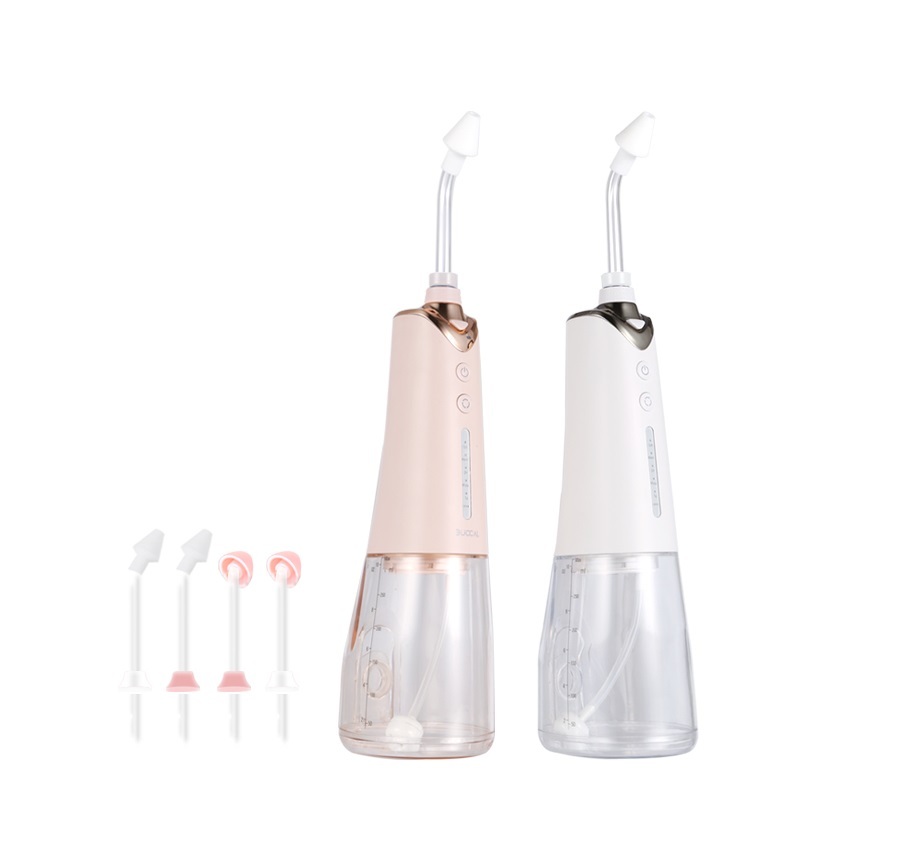
The engineering challenge with handhelds is the internal battery placement and the waterproof seal (IPX7 rating). For beginners, these are less intimidating because they look like an electric toothbrush. However, from a structural design standpoint, ensure the water tank is detachable; integrated tanks are a nightmare for mold prevention a critical healthcare oversight.
5. The Isotonic Flow Controller
Some machines now feature a built-in temperature sensor. This is a massive win for sensitive noses. I always advocate for designs that include a thermal strip or a digital readout to ensure the saline is exactly
6. The Dual-Motor Suction/Irrigation Hybrid
These are the most complex units on the market. They push saline in one nostril and vacuum it out the other. While the cost optimization here is tricky these units are pricey the “mess-free” aspect is a huge selling point for beginners who don’t want to hover over a sink.
7. The Ergonomic “Soft-Touch” Specialist
Material choice is where many manufacturers fail. Many entry-level machines use rigid, BPA-heavy plastics. The premium options for sensitive users utilize medical-grade silicone tips. This “soft-touch” approach reduces mechanical irritation to the nasal vestibule, making daily compliance much higher.
Professional Insight: The “Hidden” Cost of Cheap Materials
One opinion I hold firmly after years in the industry: Never compromise on the pump’s internal valves. Many brands attempt cost optimization by using standard rubber gaskets that degrade when exposed to salt. Over time, these gaskets leach micro-particles into the saline. If you are researching the Best Sinus Irrigation Machine – Reviews, look for mentions of “ceramic valves” or “corrosion-resistant internals.” It’s the difference between a machine that lasts six months and one that lasts five years.
Common Industry Pitfalls to Avoid
When brands or consumers select a sinus irrigation system, they often fall into these traps:
- The Over-Pressure Trap: Thinking “stronger is better.” High pressure can actually force fluid into the Eustachian tubes, leading to ear infections.
- Neglecting the “Biofilm” Factor: Complex internal tubing that cannot be flushed or replaced is a design flaw. If you can’t see the path the water takes, you can’t verify it’s clean.
- Ignoring Brand Positioning vs. Reality: Many “luxury” machines are just basic pumps in a shiny chassis. Focus on the motor’s pulse rate, not the LED lights.
Strategic Selection for Beginners
When searching for the Best Sinus Irrigation Machine – Reviews, your priority should be control. A beginner needs to feel they can stop the flow instantly. Look for machines with a “pause” button on the handle itself, rather than the base unit. This small ergonomic choice reduces the anxiety of the first few sessions.
Finally, remember that the Best Sinus Irrigation Machine – Reviews are only as good as the saline quality you put into them. Always use distilled or previously boiled water; from a healthcare management perspective, the machine is only the delivery vehiclethe purity of the solution is the actual medicine.