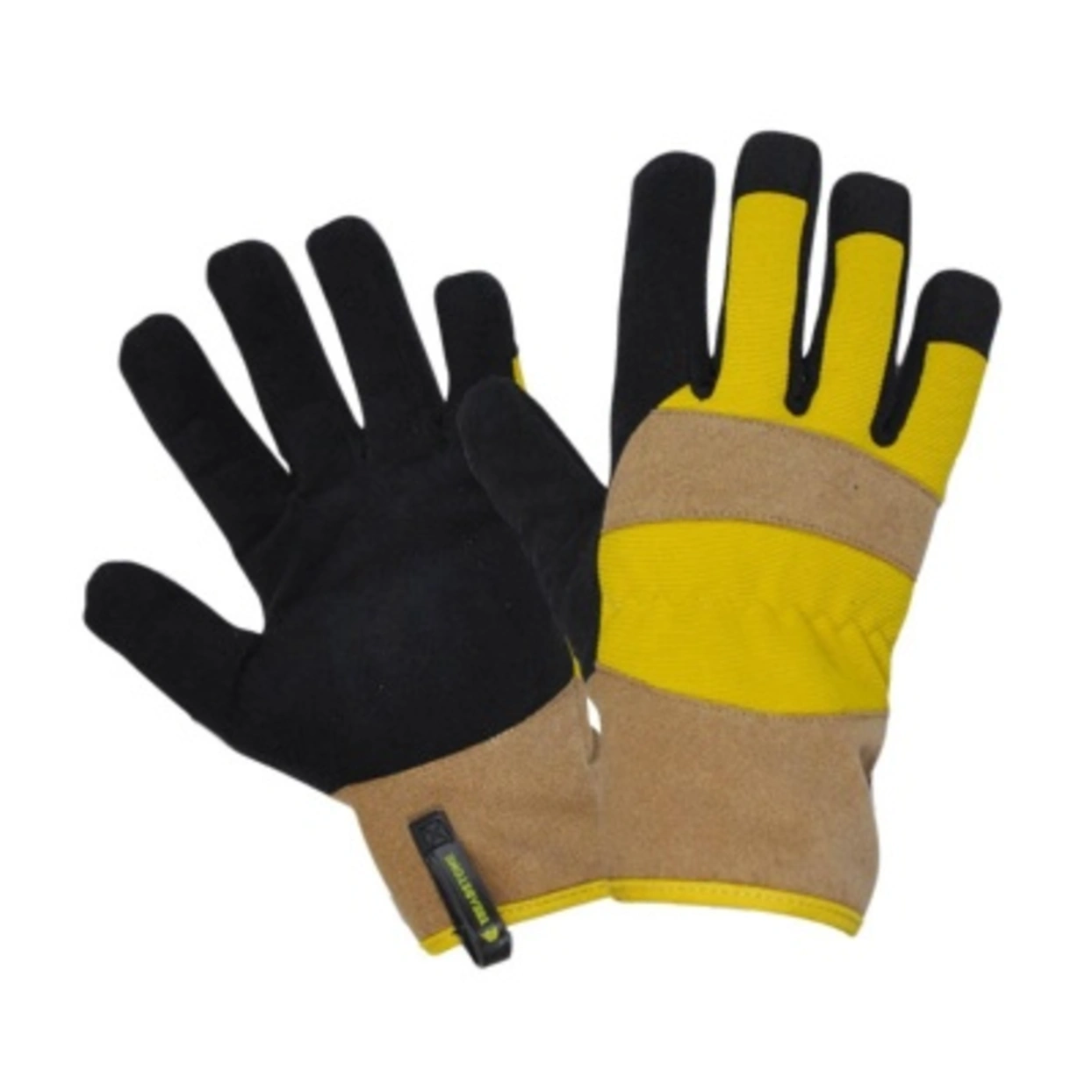
Outdoor work often exposes workers to harsh environments, varying temperatures, rough materials, and potential safety hazards. Whether working in construction, landscaping, agriculture, forestry, or maintenance, protecting the hands is essential. One of the most effective ways to maintain both safety and productivity is by using high-quality outdoor work gloves designed specifically for demanding conditions.
Outdoor work gloves are not just simple hand coverings. They are protective equipment engineered to provide comfort, durability, grip, and protection while allowing workers to perform tasks efficiently. Understanding the key characteristics of outdoor work gloves can help professionals choose the right pair for their needs.
Why Outdoor Work Gloves Are Important
Hands are among the most frequently used parts of the body in manual work. Without proper protection, workers can easily suffer from cuts, abrasions, blisters, chemical exposure, and even extreme weather injuries.
Outdoor work gloves serve several important purposes:
- Protect hands from sharp objects and rough surfaces
- Improve grip when handling tools or materials
- Reduce fatigue during long working hours
- Provide insulation against cold temperatures
- Prevent blisters and skin irritation
Because outdoor jobs often involve unpredictable conditions, gloves must offer both reliability and comfort.
Durable Materials for Tough Environments
One of the most important characteristics of outdoor work gloves is durability. Outdoor tasks often involve heavy lifting, handling rough materials, or working with tools that can quickly wear out low-quality gloves.
Common durable materials used in outdoor work gloves include:
- Leather – Leather gloves are widely used because they are strong, flexible, and resistant to abrasion. Cowhide, goatskin, and pigskin leather are popular options for heavy-duty work.
- Synthetic fabrics – Materials such as nylon, polyester, and microfiber offer durability while remaining lightweight and breathable.
- Reinforced palms – Many gloves feature extra layers in high-wear areas like the palm and fingertips to increase lifespan.
Durable gloves not only protect workers but also reduce replacement costs, making them a practical investment.
Comfort for Long Working Hours
Comfort is essential for workers who wear gloves for extended periods. Poorly designed gloves can cause sweating, irritation, or restricted movement, which ultimately reduces productivity.
High-quality outdoor work gloves are designed with comfort in mind through several features:
- Breathable materials that allow airflow and reduce moisture buildup
- Flexible fabrics that support natural hand movement
- Ergonomic design that follows the natural shape of the hand
- Soft inner lining to prevent skin irritation
Comfortable gloves enable workers to focus on their tasks without constantly adjusting or removing their protective gear.
Reliable Grip for Safety and Efficiency
Outdoor work frequently involves handling tools, equipment, or materials that may be slippery due to dirt, water, oil, or sweat. For this reason, strong grip performance is a crucial feature of outdoor work gloves.
Manufacturers often improve grip using:
- Textured rubber coatings
- Latex or nitrile palm coatings
- Patterned surfaces for friction
These features help workers maintain control of tools and materials, reducing the risk of accidents and improving efficiency.
A good grip is particularly important in industries such as construction, mechanical work, and landscaping, where tool handling is constant.
Protection Against Weather Conditions
Outdoor work often means exposure to different weather conditions, from cold winds to hot sun. Gloves designed for outdoor environments must provide appropriate protection depending on the working conditions.
For cold weather environments, insulated gloves may include:
- Thermal lining
- Fleece interior layers
- Wind-resistant materials
In warmer climates, gloves should focus on breathability and moisture control to prevent overheating.
Some gloves also offer water-resistant or waterproof coatings, making them ideal for wet environments such as gardening, fishing, or construction during rainy conditions.
Impact and Cut Protection
Certain outdoor jobs involve risks from sharp tools, heavy materials, or mechanical equipment. Gloves designed for higher-risk tasks often include specialized protective features.
Examples include:
- Cut-resistant fibers such as Kevlar or high-performance polyethylene
- Impact protection padding on the knuckles and back of the hand
- Reinforced stitching to prevent tearing
These safety features help reduce the risk of injuries while still allowing flexibility and movement.
Proper Fit and Adjustable Design
A well-fitting glove significantly improves both comfort and safety. Gloves that are too loose may slip off or reduce grip strength, while gloves that are too tight can restrict blood circulation and cause discomfort.
Many outdoor work gloves include adjustable features such as:
- Velcro wrist straps
- Elastic cuffs
- Stretchable fabrics
These features allow users to achieve a secure fit while preventing dirt, debris, or cold air from entering the glove.
Versatility for Different Outdoor Jobs
Outdoor work gloves are designed to support a wide range of activities. From gardening and farming to construction and maintenance, the right pair of gloves can significantly improve efficiency.
Versatile gloves often combine several characteristics:
- Durable materials
- Flexible design
- Weather protection
- Strong grip
Because of this, many professionals choose multipurpose outdoor gloves that perform well across different tasks.
Choosing the Right Outdoor Work Gloves
Selecting the right gloves depends on the type of work being performed. Before purchasing outdoor work gloves, consider the following factors:
- Working environment (wet, dry, hot, or cold)
- Level of protection required
- Type of materials handled
- Duration of glove use during the day
Investing in the right gloves helps workers maintain safety while improving productivity and comfort.
Conclusion
Outdoor work gloves play a vital role in protecting workers from hazards while ensuring comfort during demanding tasks. The best gloves combine durability, comfort, grip, weather resistance, and protective features to support various outdoor activities.
Pabrik sarung tangan: By choosing gloves with the right characteristics, workers can reduce the risk of injury, maintain better control of tools, and work more efficiently in challenging environments. High-quality outdoor work gloves are not just protective gear—they are an essential part of safe and productive outdoor work.